Monuments
Sortelha Castle
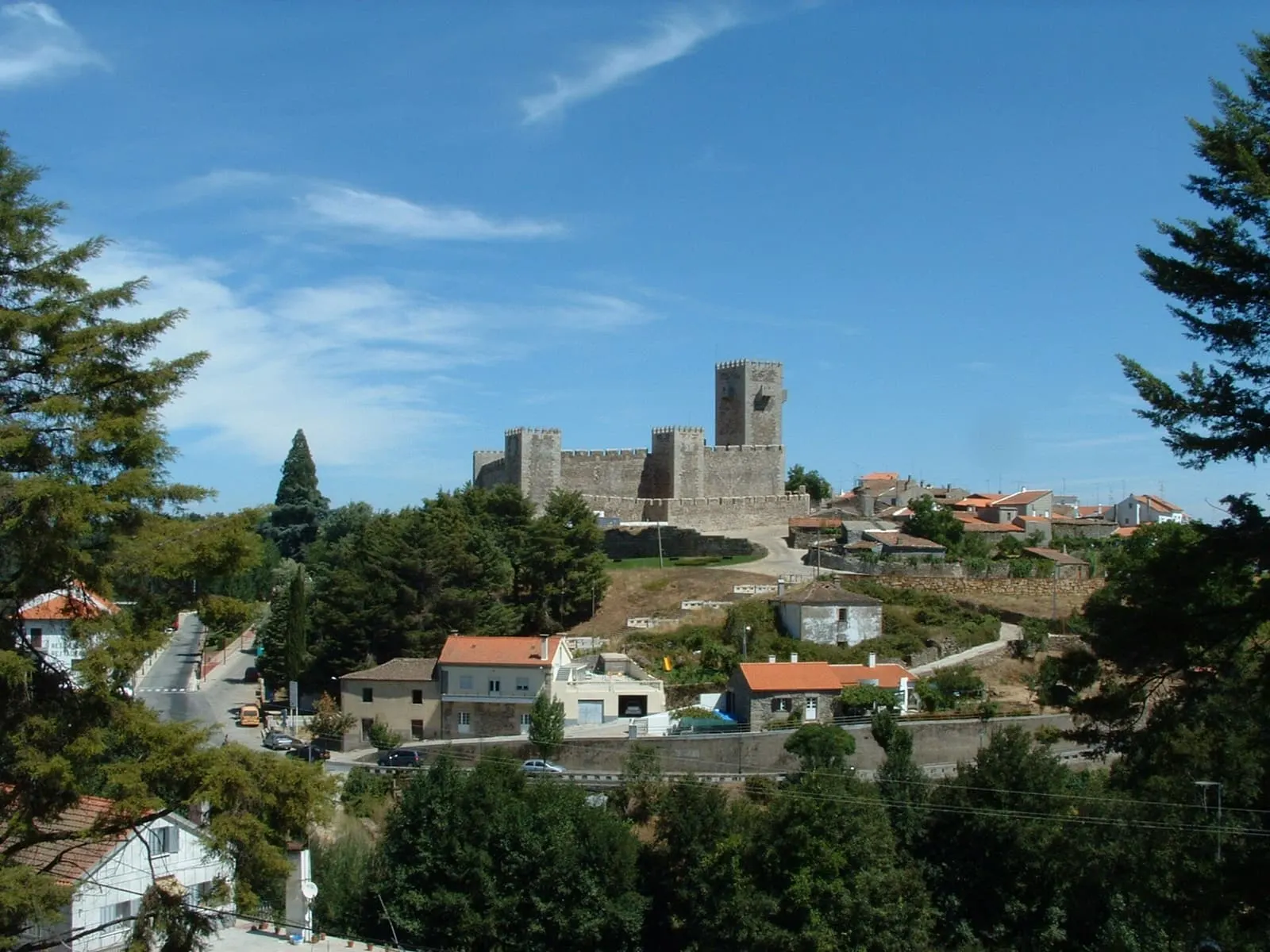
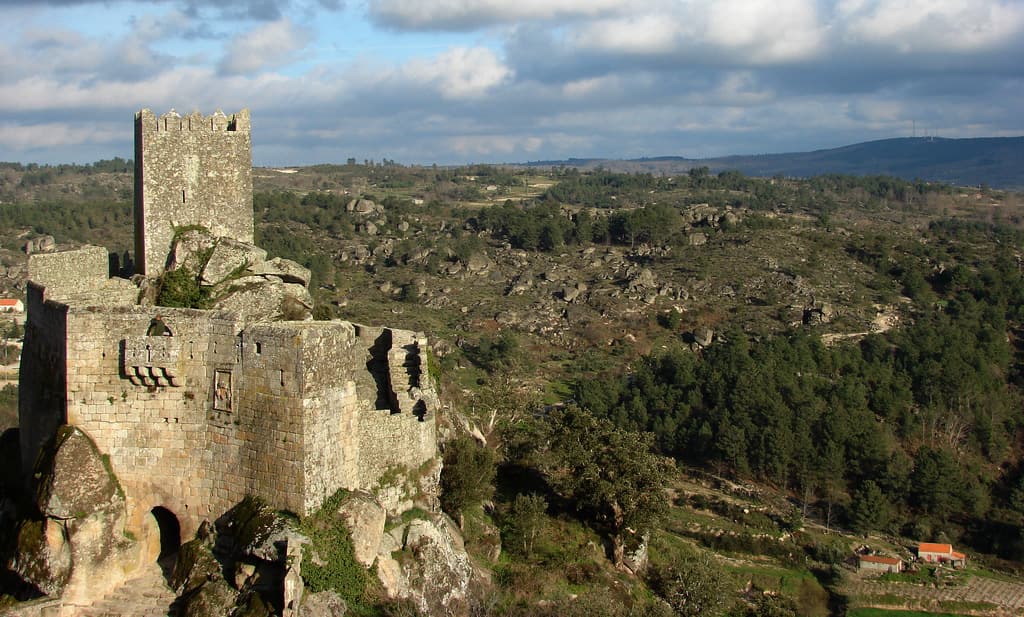
Sortelha Castle, a medieval fortress and walled border village, raised upon a granite massif in the municipality of Sabugal, district of Guarda.
- Location
- Sortelha, Guarda
- Built
- início do século XIII (foral de 1228)
- Style
- Românico e gótico, com intervenções manuelinas
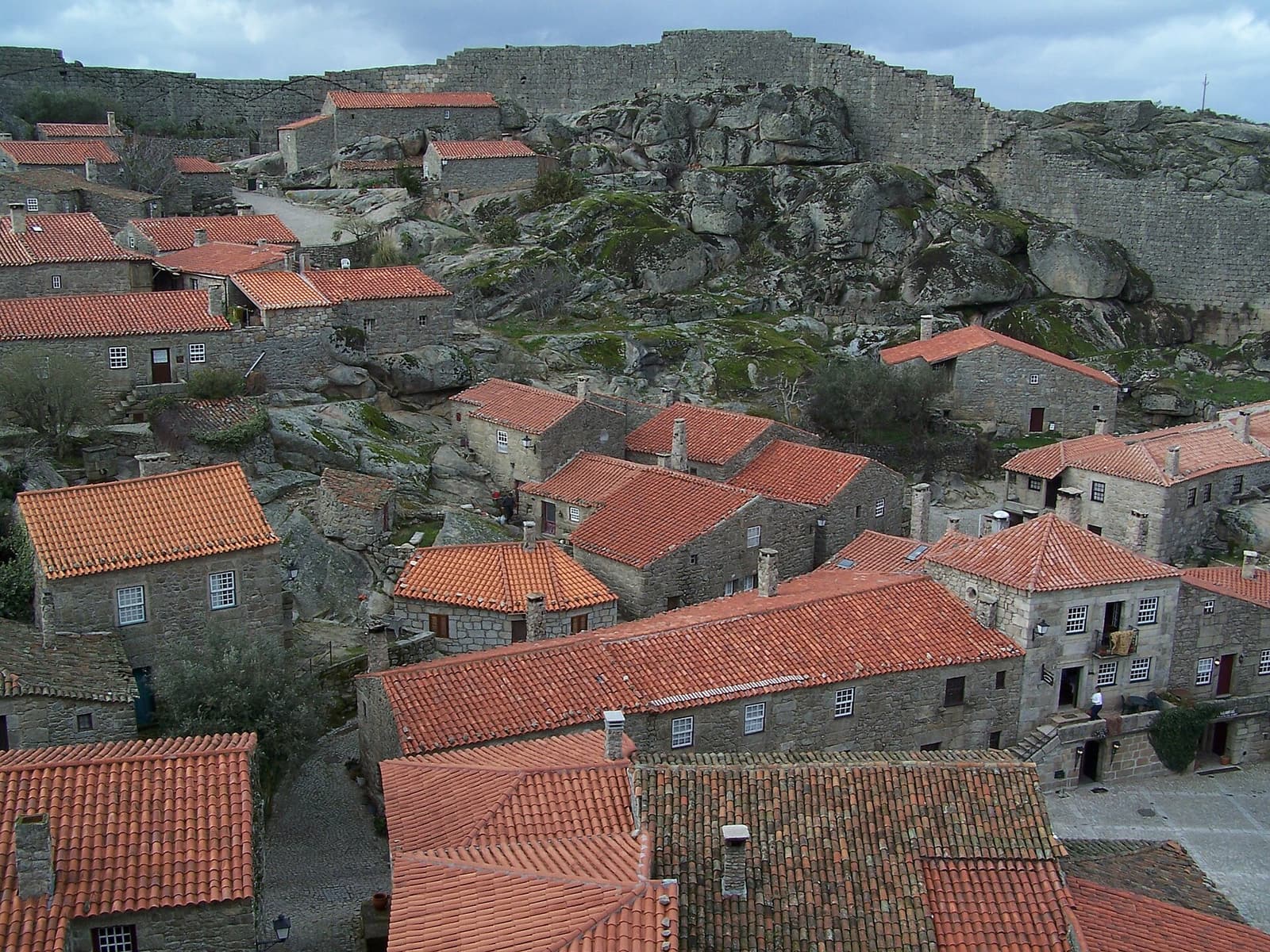
In the heart of the Beira, where the plateau dissolves into a chaos of granite boulders facing the old border with Castile, Sortelha Castle remains seated upon the rock like a petrified sentinel. The fortress cannot be understood in isolation: it forms an inseparable whole with the village it protects, a cluster of granite houses packed within walls that seem to spring from the massif itself. Sortelha is today one of the best-preserved medieval settlements in the country, a place where the stone of the buildings and the stone of the ground merge into a single substance.
From resettlement to border fortress
The site was occupied from remote times — the presence of a pre-Roman hillfort is presumed, succeeded by Romans, Visigoths and Muslims — but its medieval ascendancy is tied to the effort to secure the kingdom’s frontier. Resettlement began under Sancho I, at the end of the twelfth century, and it was Sancho II who, in 1228, granted a charter to the settlement and ordered the castle to be built. The fortress was thus born as part of the network of strongholds that watched over the line of the river Côa, in a disputed territory that would only be definitively settled by the Treaty of Alcañices in 1297.
It then fell to King Dinis to reinforce the walls of the town, within the framework of the policy of consolidating the frontier that marked his entire reign. The inner enclosure of the castle — a small citadel of around 670 square metres perched upon the rocks — was articulated with the curtain of walls that embraces the village, furnished with four gates, among them the famous Porta da Traição (Gate of Treason), a discreet opening facing south.
The Manueline seal
Like so many strongholds of the Beira border, Sortelha underwent a renewal at the turn of the fifteenth to the sixteenth century. King Manuel I confirmed its charter and patronised works that left unmistakable marks in the stone, most notably a Manueline portal and the pillory that still marks the centre of the town today. This late layer was superimposed upon the primitive Gothic design without erasing it, giving the ensemble the characteristic appearance of a Manueline town of the Beira.
In Sortelha there is no clear separation between the castle and the house, between the wall and the rock: everything is granite, and the granite is at once defence, shelter and landscape.
Having lost its military function with the advance of artillery, the settlement adapted its defences in the aftermath of the Restoration of 1640, but fell into decline when, in the mid-nineteenth century, it lost its status as the seat of a municipality. That neglect, paradoxically, preserved it: free from urban pressure, Sortelha reached the twentieth century practically intact.
A village-museum of stone
The restoration campaigns of the 1990s, under the programme of the Historic Villages of Portugal, restored to the ensemble the atmosphere of a medieval settlement. Those who walk the wall-walk of the ramparts gain sweeping views over the Cova da Beira and the Serra da Estrela, while within survive the parish church, the pillory, the old communal oven and the rock-cut tombs hewn into the stone. Part of the ensemble of Portugal’s great frontier castles, Sortelha is distinguished by the total fusion of military architecture and settlement, alongside other strongholds of the Beira border such as Almeida and Linhares da Beira.
Classified as a National Monument since 1910, Sortelha Castle is worth less for the warlike episodes it played out than for the rarity of what has survived: a complete medieval organism, frozen in granite, that continues to explain how life was lived and the eastern frontier of the kingdom was defended.
Frequently asked questions
- Where is Sortelha Castle?
- It rises upon a granite massif in the village of Sortelha, a parish of the municipality of Sabugal, district of Guarda, dominating the valley of the Côa, on the border of the Beira Interior.
- When was Sortelha Castle built?
- The castle dates from the early thirteenth century. In 1228, King Sancho II granted a charter to the settlement and ordered the fortress to be built, integrated into the defensive line of the border along the river Côa.
- Is Sortelha Castle a National Monument?
- Yes. It has been classified as a National Monument since 1910, and the village is part of the network of Historic Villages of Portugal.
Sources
Keep exploring
Heritage nearby
More places to discover from here. Approximate straight-line distances, within 50 km.