Archaeology
Roman Temple of Évora
The Roman Temple of Évora, commonly called the Temple of Diana, is Portugal's best-preserved Roman monument in the UNESCO-listed historic center.
- Location
- Évora, Évora
- Built
- século I d.C.
- Style
- Romano (ordem coríntia)
In the heart of Évora’s historic center, at the city’s highest point, stand the fourteen Corinthian columns of the Roman temple — Portugal’s best-preserved Roman monument and one of the most recognizable images of Roman Portugal. Though traditionally called the ‘Temple of Diana’, no archaeological evidence supports this attribution.
Origin and Architecture
The temple was built in the 1st century AD, when Ebora Liberalitas Iulia was consolidating as one of Lusitania province’s most important cities. Located in the forum, it was likely associated with imperial cult worship, a common practice in Roman cities honoring the emperor and imperial house — hence the prevailing modern hypothesis of dedication to Augustus.
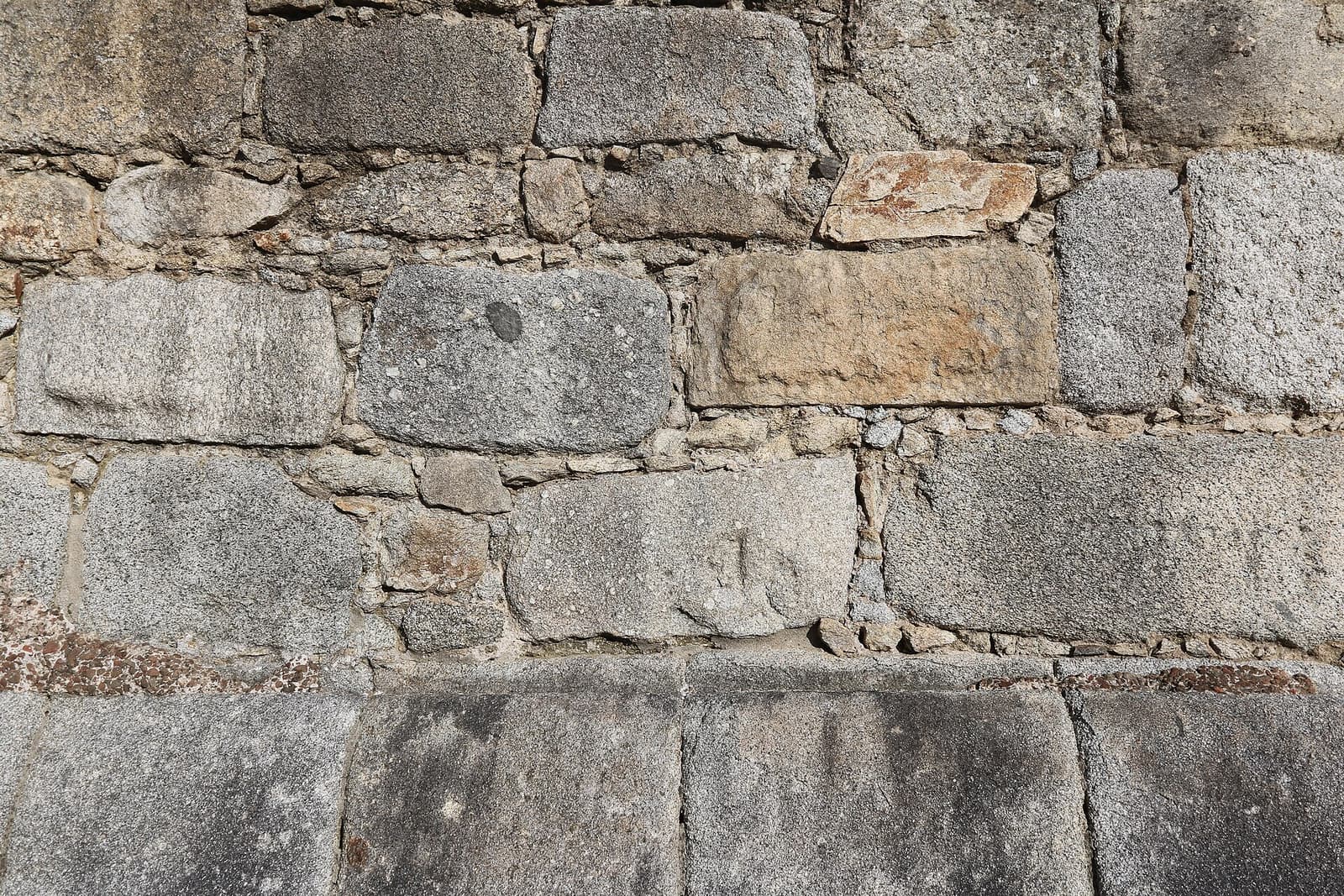
This rectangular temple features a hexastyle design (six frontal columns) and peristyle, standing on a high podium measuring approximately 25 by 15 meters. The Corinthian columns display fluted granite shafts, while capitals and bases were crafted from white Estremoz marble — a material combination showcasing both Roman engineering and Alentejo’s local resources.
The temple’s survival owes less to veneration than to reuse: it was precisely when it ceased being a temple that its columns became protected.
A Millennium of Transformations
Abandoned around the 4th century and partially ruined in subsequent centuries, the building underwent multiple repurposing phases. During Islamic rule it formed part of the alcazaba defenses; after Christian reconquest it was absorbed into medieval housing and served as a municipal slaughterhouse from the 14th century until 1836. Its columns were once embedded in masonry walls, explaining their remarkable preservation.
The temple’s rediscovery as a classical monument occurred in the 19th century. From 1871, under Italian architect Giuseppe Cinatti’s direction, surrounding medieval structures were demolished to expose the podium and colonnade. It was classified as a National Monument in 1910. In the 20th century, archaeological campaigns led by Theodor Hauschild clarified its original layout and definitively dispelled the Diana myth, contextualizing it within the imperial forum.
Significance and Context
The temple stands as the most eloquent testimony to Romanization in Alentejo and relates to other contemporary remains across Portugal, like the Roman Ruins of Conímbriga, Portugal’s largest excavated site. To understand this monument’s place within broader Roman occupation, explore the theme of Roman archaeology in Portugal.
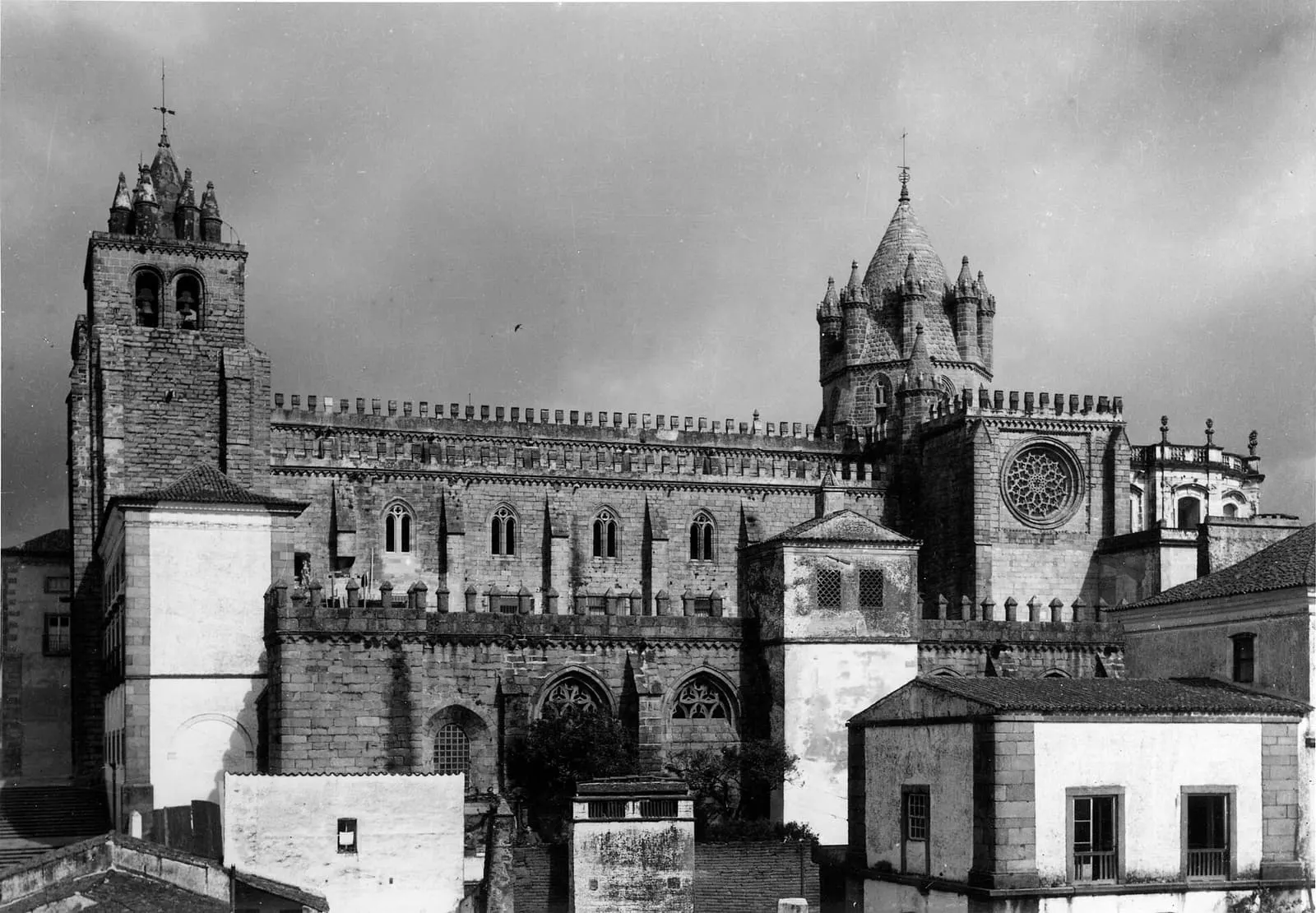
Today the temple isn’t understood in isolation but as part of an exceptional urban ensemble: it forms part of Évora’s historic center, designated a UNESCO World Heritage Site in 1986 alongside the nearby Évora Cathedral, episcopal palace, and housing that grew over the ancient Roman grid. This two-millennia continuity of use makes the temple not just ruins but a living document of Évora’s history.
Frequently asked questions
- Was the Roman Temple of Évora actually dedicated to the goddess Diana?
- No. The designation 'Temple of Diana' stems from a 17th-century legend created by Father Manuel Fialho. Archaeological research associates the monument with imperial cult worship, likely in honor of Augustus.
- Why has the temple been so well preserved?
- Because it was incorporated into medieval walls and used as a fortress, then as a municipal slaughterhouse between the 14th century and 1836. This usage enclosed the columns within walls that paradoxically protected them.
- How many columns remain standing?
- Fourteen Corinthian columns survive on the podium, with granite shafts and capitals and bases made of Estremoz marble.
Sources
Keep exploring
Heritage nearby
More places to discover from here. Approximate straight-line distances, within 50 km.