Places
Alenquer
Alenquer, a historic town in the district of Lisbon within the Tagus basin: medieval castle, Franciscan convent and birthplace of the humanist Damião de Góis.
- Location
- Alenquer, Lisboa
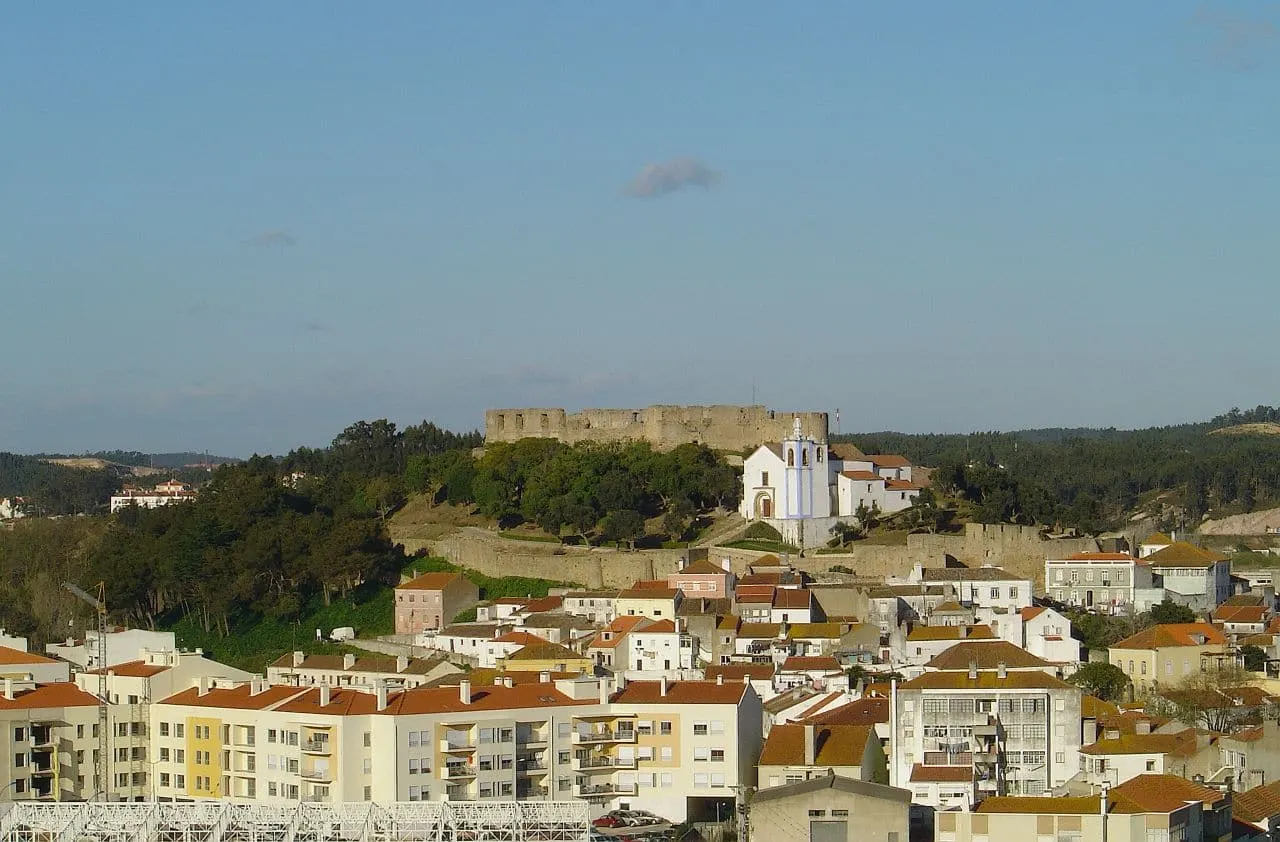
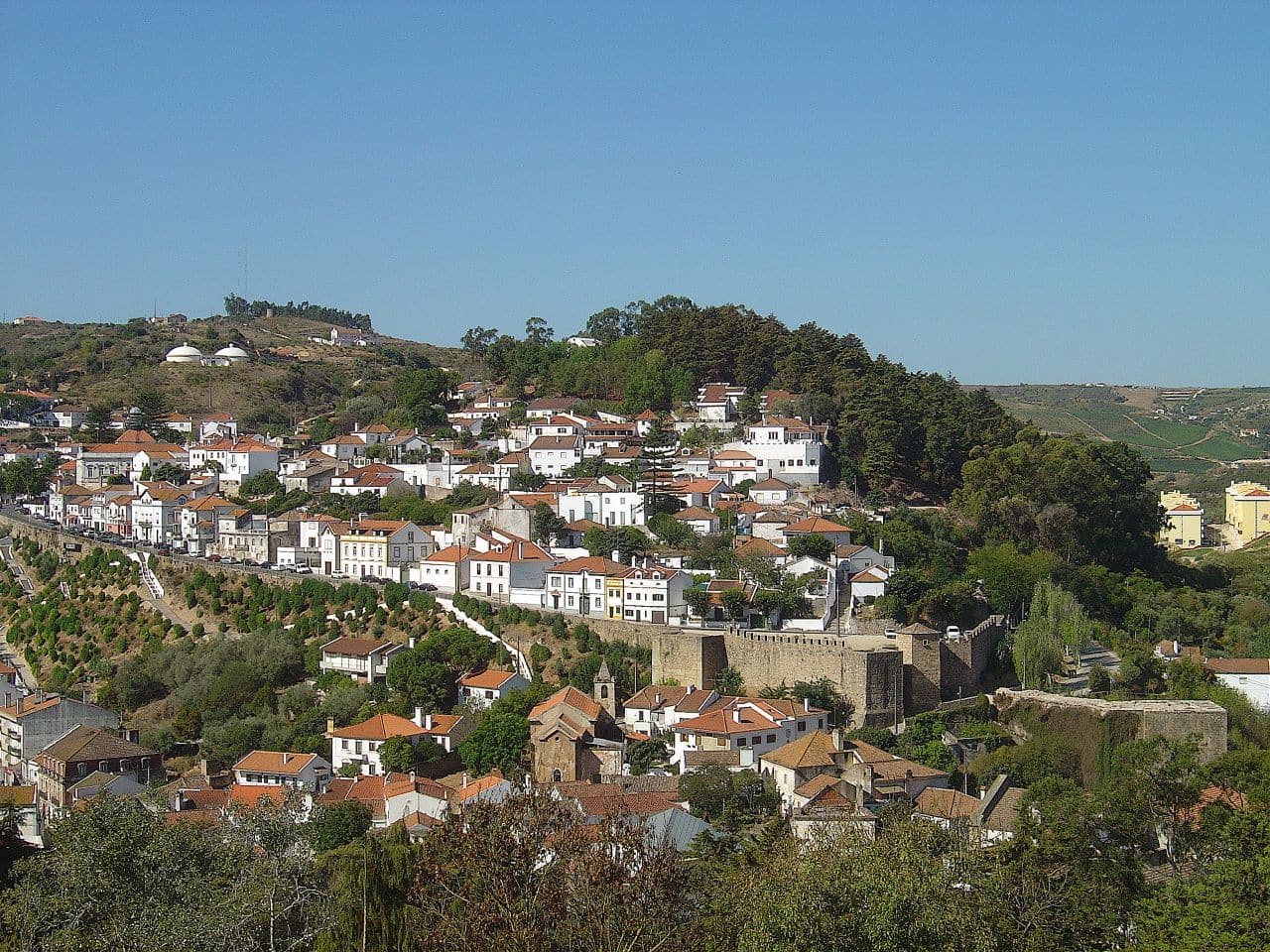
Perched on the slope overlooking the Alenquer stream — a tributary of the Tagus — the town of Alenquer rises some forty kilometres northwest of Lisbon, at the southern edge of the Oeste region. The tiered arrangement of its houses along the hillside earned it the epithet “Nativity Scene of Portugal”, an image that the valley returns to anyone contemplating it from below. The seat of a municipality in the district of Lisbon, the settlement condenses, within a relatively small space, layers of occupation that reach back to prehistory and span all the great phases of Iberian history.
From its origins to the Reconquest
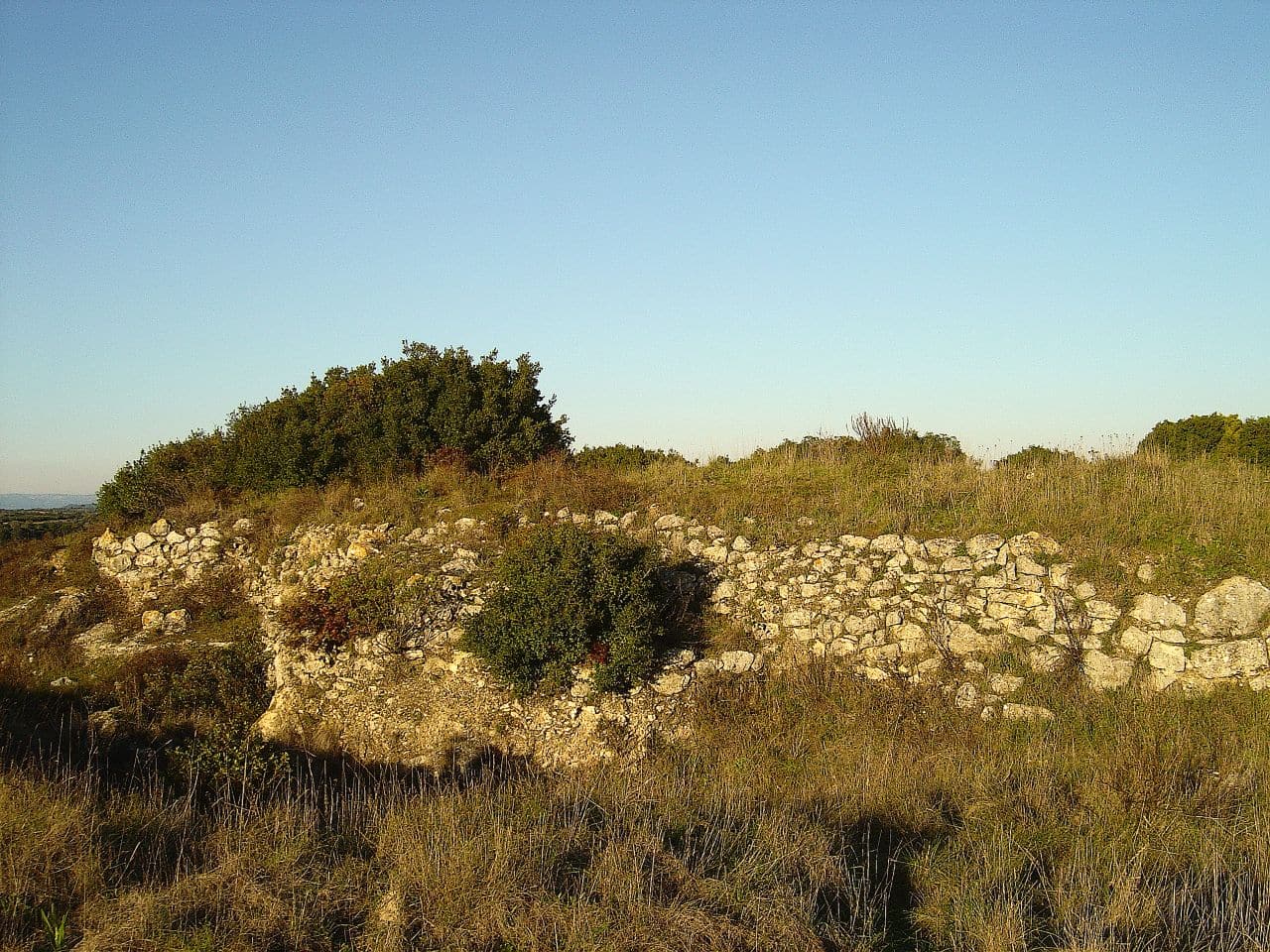
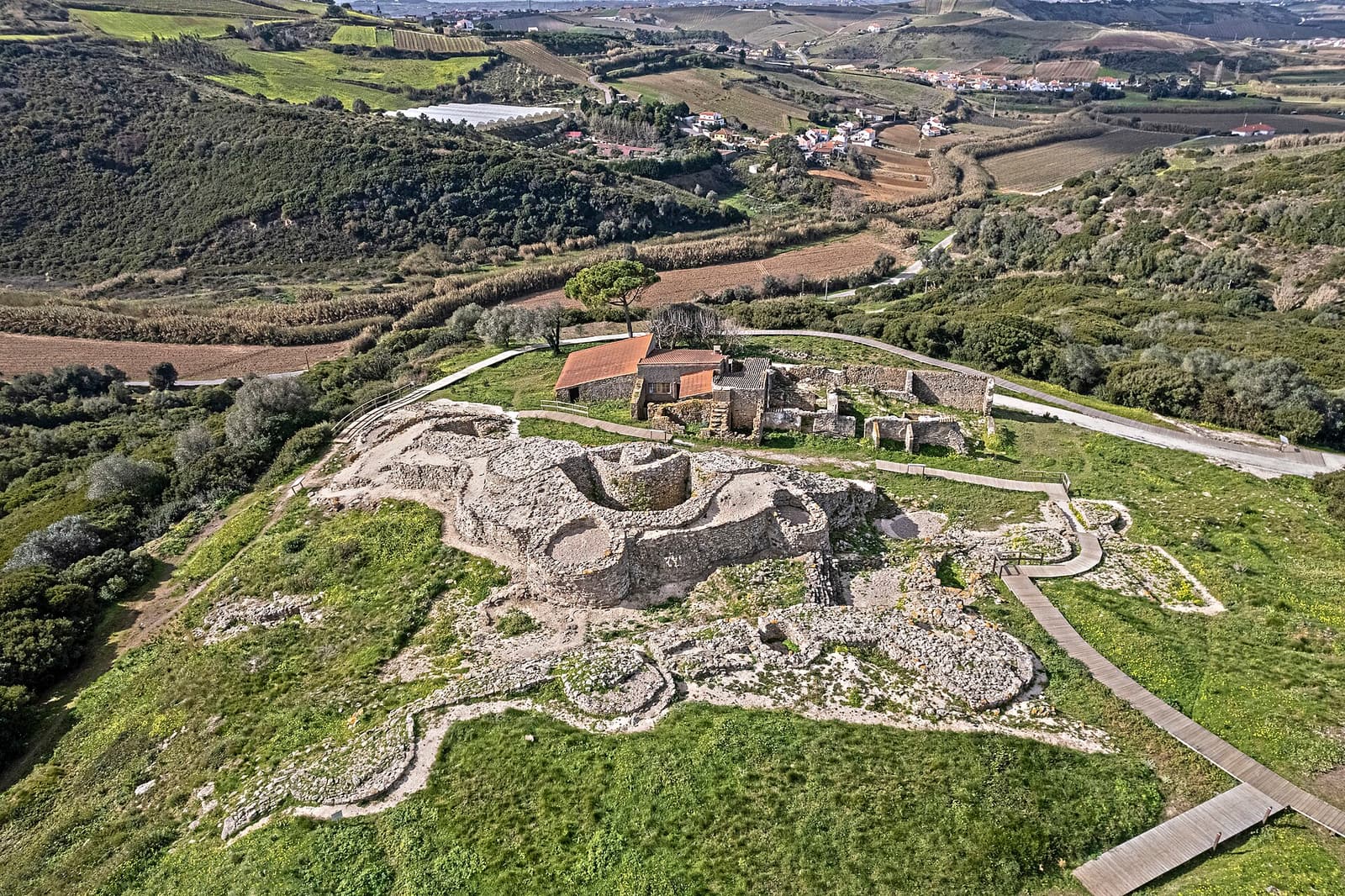
The region was successively traversed and inhabited from remote times, preserving archaeological vestiges from pre-Roman and Roman periods. It was, however, the Muslim period that fixed the military character of the site, with the building of the fortress that crowns the hilltop. In 1148, in the context of the Reconquest, the forces of Dom Afonso Henriques took the town and its castle, the king ordaining its resettlement and the rebuilding of its defences.
The consolidation of its urban status came in the thirteenth century. In 1212 the Infanta Dona Sancha, daughter of Dom Sancho I and then lady of Alenquer, granted it a charter; Dom Dinis issued a new charter in 1302, later reformed by Dom Manuel I in 1510, as part of the great charter reform of his reign. Throughout the Middle Ages, Alenquer remained linked to the House of the Queens, forming part of the set of seigneuries that provided for the sustenance of the sovereigns.
A heritage of stone and devotion
The most emblematic monument is the Convent of São Francisco, founded in 1222 on the initiative of Dona Sancha, who donated her palace to the Friars Minor. It is one of the first Franciscan convents established in Portugal, its earliest religious including Friar Zacarias, who came from Italy. Enlarged from the late thirteenth century onward and renovated in later periods, it preserves a remarkable portal of the chapter house, carved in the Manueline style and classified as a National Monument since 1910.
The Franciscan presence in Alenquer, almost contemporary with that of the founder of the order himself, makes the town one of the oldest points of establishment of mendicant spirituality in the Iberian Peninsula.
Of the Castle of Alenquer, classified as a property of public interest, sections of wall and the Torre da Couraça survive, witnesses to the medieval defensive structure. The urban fabric is completed by churches and chapels of various periods, among them the Church of Santa Maria da Várzea, and by traces of nineteenth-century industrialisation, such as the Fábrica Nova da Romeira.
Birthplace of Damião de Góis
Alenquer proudly claims to be the “land of Damião de Góis”. Born in the town in 1502 and dying there in 1574, Góis was a historian, diplomat and letter-writer, a leading figure of the Renaissance in Portugal and a correspondent of Erasmus. Chief Chronicler of the Realm, he left a reference work on the reign of Dom Manuel I. He is buried in the town, his tomb being one of its most visited places of memory.
By its scale and by the balance between fortification, convents and medieval urban network, Alenquer converses with other walled towns of the territory north of Lisbon, such as Óbidos and Torres Vedras, sharing with them the status of sentinel of the right bank of the Tagus. Today it forms part of the heritage ensemble of the region of Lisbon and the Tagus Valley, where the medieval legacy and the humanist memory meet in one and the same place.
Frequently asked questions
- Why is Alenquer called the Nativity Scene of Portugal?
- The epithet derives from the layout of the town, with its houses stepped up the slope overlooking the Alenquer stream, forming an ensemble that evokes the composition of a nativity scene when viewed from the valley.
- Who was Damião de Góis and what is his connection to Alenquer?
- Damião de Góis (1502–1574) was one of the greatest humanists of the Portuguese Renaissance, a historian and diplomat. He was born and died in Alenquer, where he is also buried.
- What is the importance of the Convent of São Francisco in Alenquer?
- It was one of the first Franciscan convents founded in Portugal, on the initiative of the Infanta Dona Sancha in 1222. The portal of the chapter house, of Manueline design, is classified as a National Monument.
Sources
Keep exploring
Heritage nearby
More places to discover from here. Approximate straight-line distances, within 50 km.