Monuments
Belmonte Castle
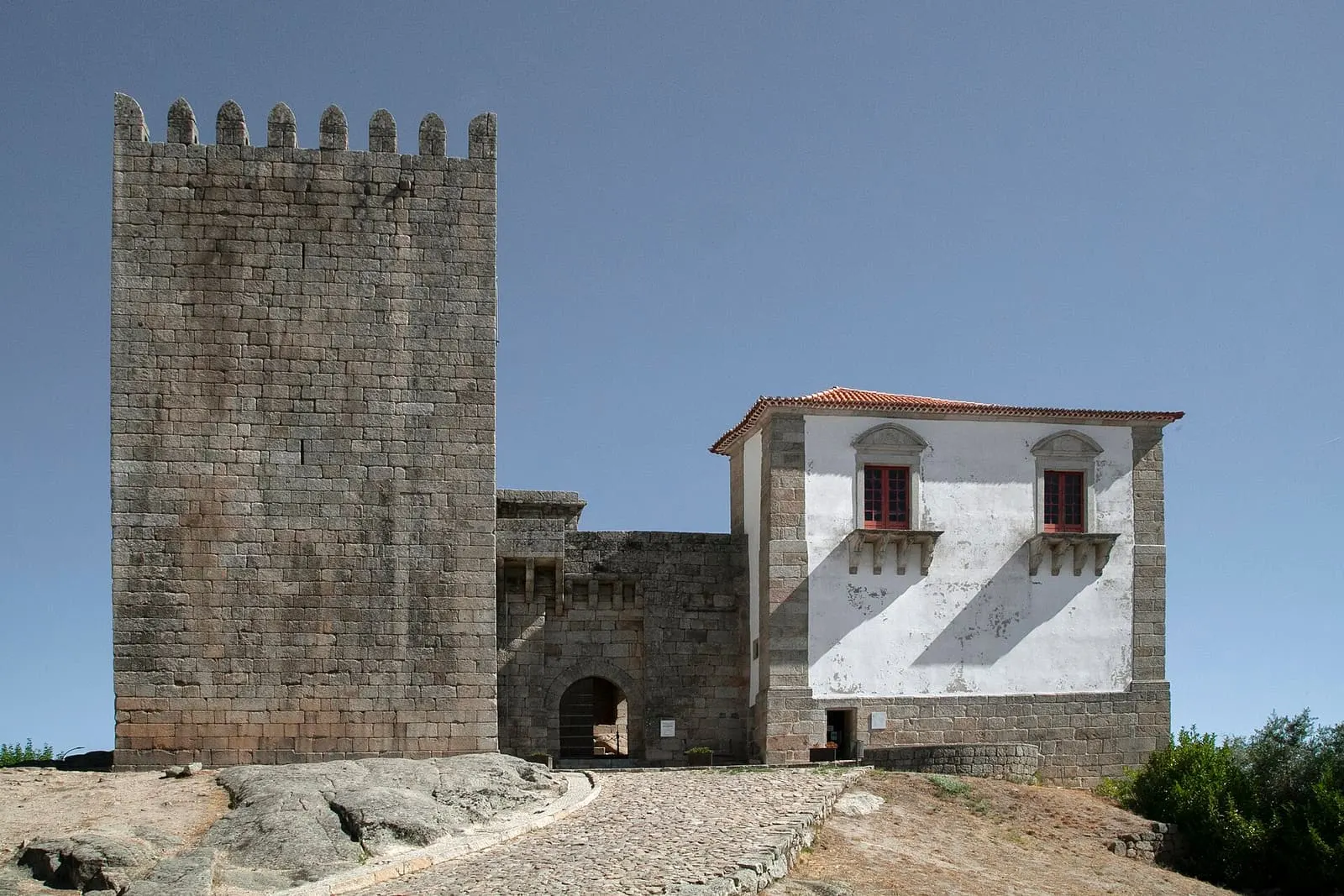
Belmonte Castle, a Romanesque fortress in the Beira Baixa, birthplace of Pedro Álvares Cabral and ancestral seat of the Cabral family, classified as a National…
- Location
- Belmonte, Castelo Branco
- Built
- século XIII
- Style
- Românico
Belmonte Castle rises on a granite outcrop overlooking the town of the same name, in the district of Castelo Branco, on the banks of the river Zêzere and under the watch of the Serra da Estrela. A fortress of medieval origin and Romanesque design, it is today inseparable from the memory of the Cabral family and, in particular, of Pedro Álvares Cabral, the navigator credited with the European arrival in Brazil in 1500. It was classified as a National Monument in 1927.
Origin and construction
The occupation of the spur on which the castle stands is ancient and was associated with the Roman road network linking Bracara Augusta to Emerita Augusta. The earliest documentary records of the region date back to the reign of Afonso Henriques, but the construction of the fortress as it is recognised today took shape mainly in the thirteenth century, in the context of the consolidation of the Beira frontier following the founding of the kingdom. The keep and the ring of walls were probably completed and modified over the reigns of Afonso III and Dinis, much like so many other strongholds of the Beira reinforced during this period of territorial organisation.
With the Treaty of Alcanizes in 1297, which fixed the boundaries with Castile further east, Belmonte lost part of its strategic importance as a frontier bulwark, an evolution common to the fortifications of this defensive line that can be compared with that of other frontier castles of the Beira.
The Cabral family and the manor
The fate of the castle changed profoundly when it passed into the possession of the Cabral family, who became its lords and alcaides. In 1466, Fernão Cabral received the town and the fortress, beginning the adaptation of the austere military structure into a seigneurial residence. It was in this setting that his son, Pedro Álvares Cabral, grew up, which is why the town of Belmonte claims to be the birthplace of the navigator, even though the precise date and place of his birth remain uncertain.
Within the enclosure the Solar dos Cabrais was built, and on the main portal the family’s coat of arms is preserved alongside an armillary sphere, an emblem associated with maritime expansion. These heraldic elements turn the castle into a kind of archive in stone of Belmonte’s connection to the Discoveries.
Few Portuguese fortresses condense so clearly the transition from a castle of war to the residence of a lineage tied to the Atlantic epic.
Belmonte and its heritage
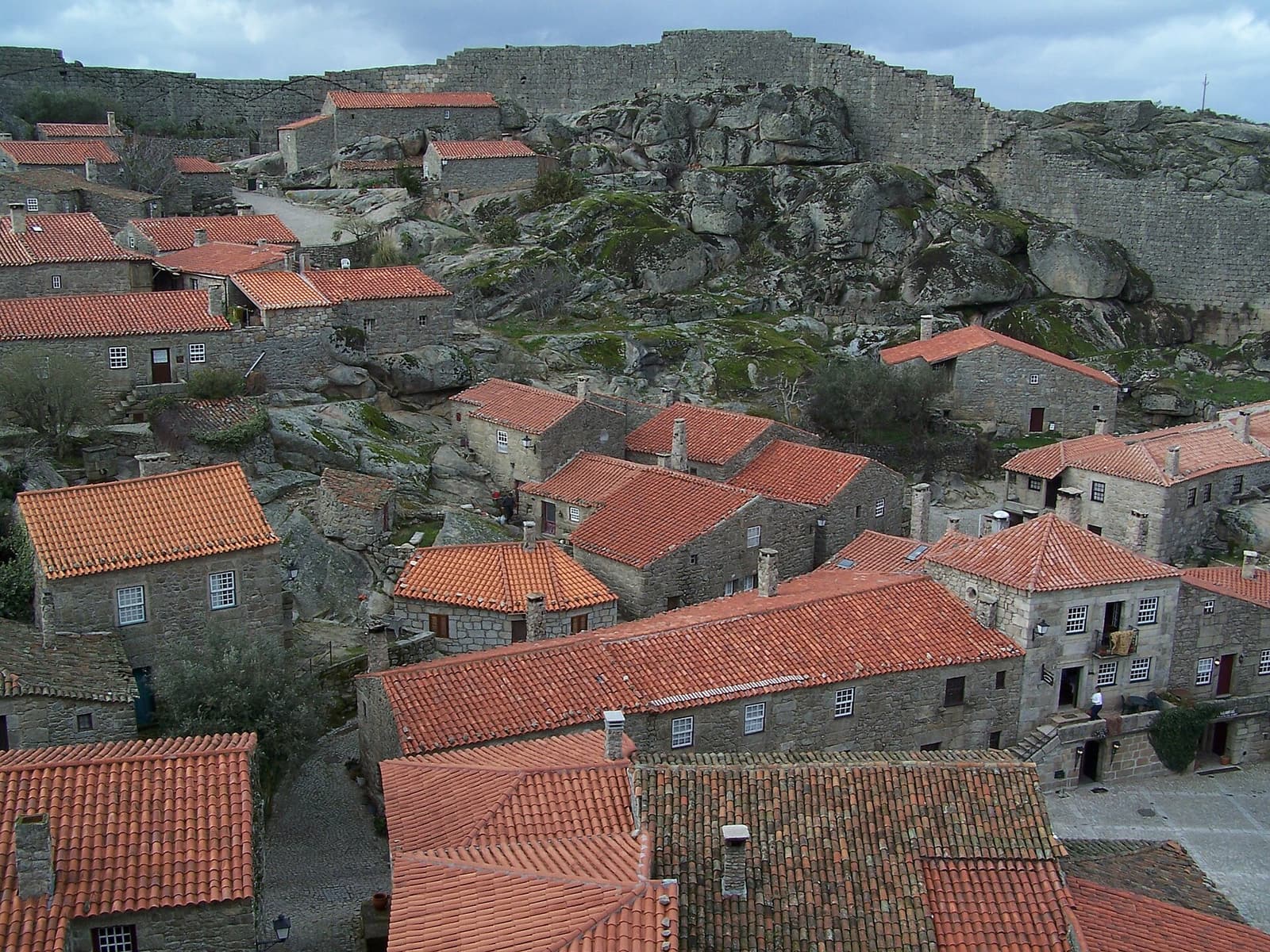
The castle is the most visible piece of a remarkable heritage ensemble. Belmonte is also famous for its ancient Jewish community, one of the few that maintained crypto-Jewish practices into the twentieth century, and today it forms part of the Network of Jewish Quarters of Portugal. The town also gathers churches, towers and houses that illustrate the long continuity of settlement, in a territory where fortified villages abound, such as Monsanto, famous for the way its houses blend into the granite landscape of the Beira.
Restored over the course of the twentieth century, Belmonte Castle is today a visitable site that hosts cultural initiatives and offers broad views over the Zêzere valley, keeping alive the memory of one of the most notable families in Portuguese history.
Frequently asked questions
- Was Pedro Álvares Cabral born in Belmonte Castle?
- Pedro Álvares Cabral belonged to the family that held the castle and manor of Belmonte, and the town claims to be his birthplace. The exact date and place of his birth, around 1467-1468, are not documented with certainty.
- When was Belmonte Castle classified as a National Monument?
- The castle was classified as a National Monument in 1927.
- Where is Belmonte Castle located?
- It stands in the town of Belmonte, in the district of Castelo Branco, in the Beira Baixa region, near the Serra da Estrela.
Sources
Keep exploring
Heritage nearby
More places to discover from here. Approximate straight-line distances, within 50 km.