Monuments
Castle of Montemor-o-Velho
Castle of Montemor-o-Velho: the largest fortification of the Lower Mondego, a bulwark of the Reconquista near Coimbra and a National Monument.
- Location
- Montemor-o-Velho, Coimbra
- Built
- séc. XI–XIV
- Style
- Românico, Gótico e Manuelino
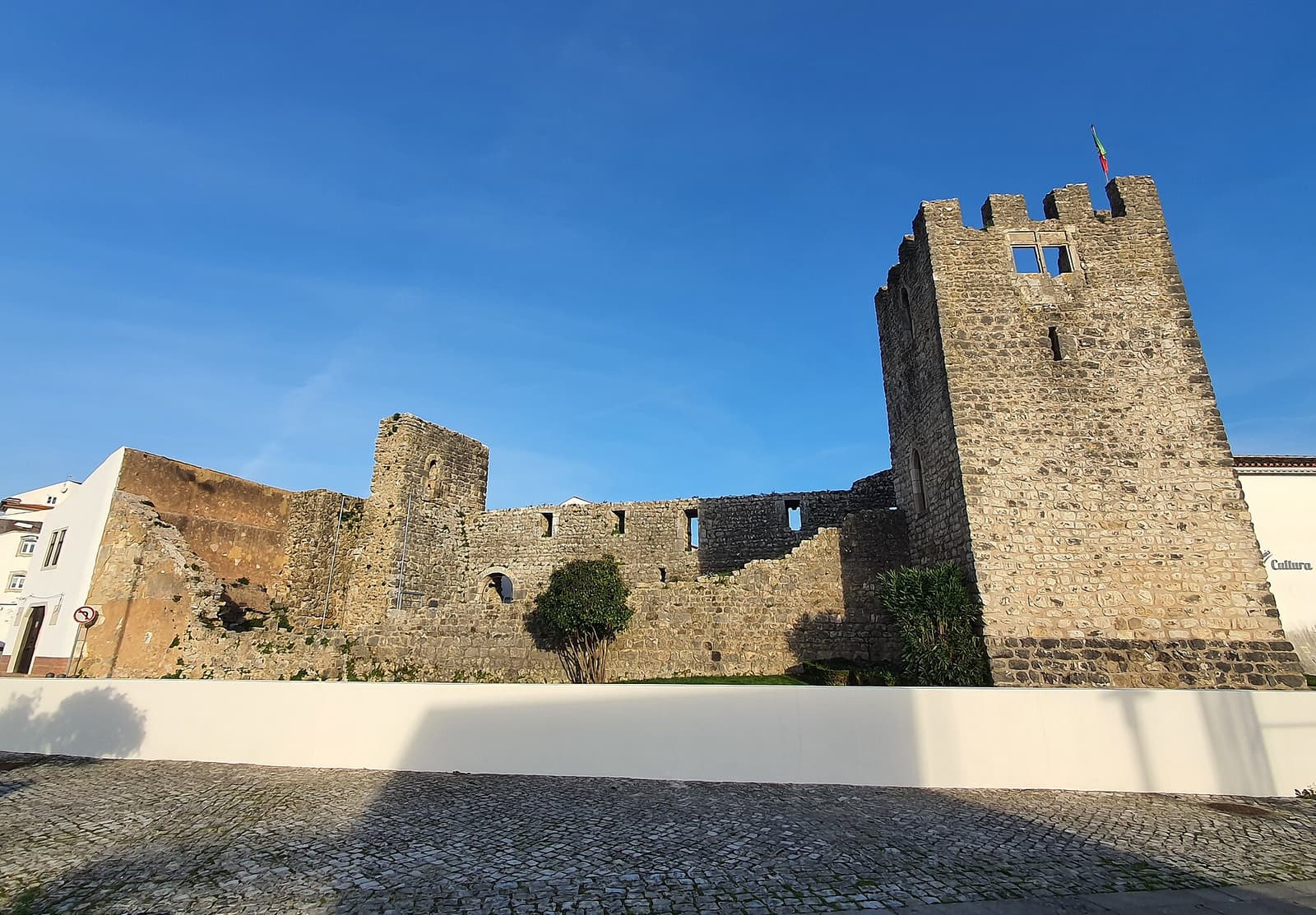
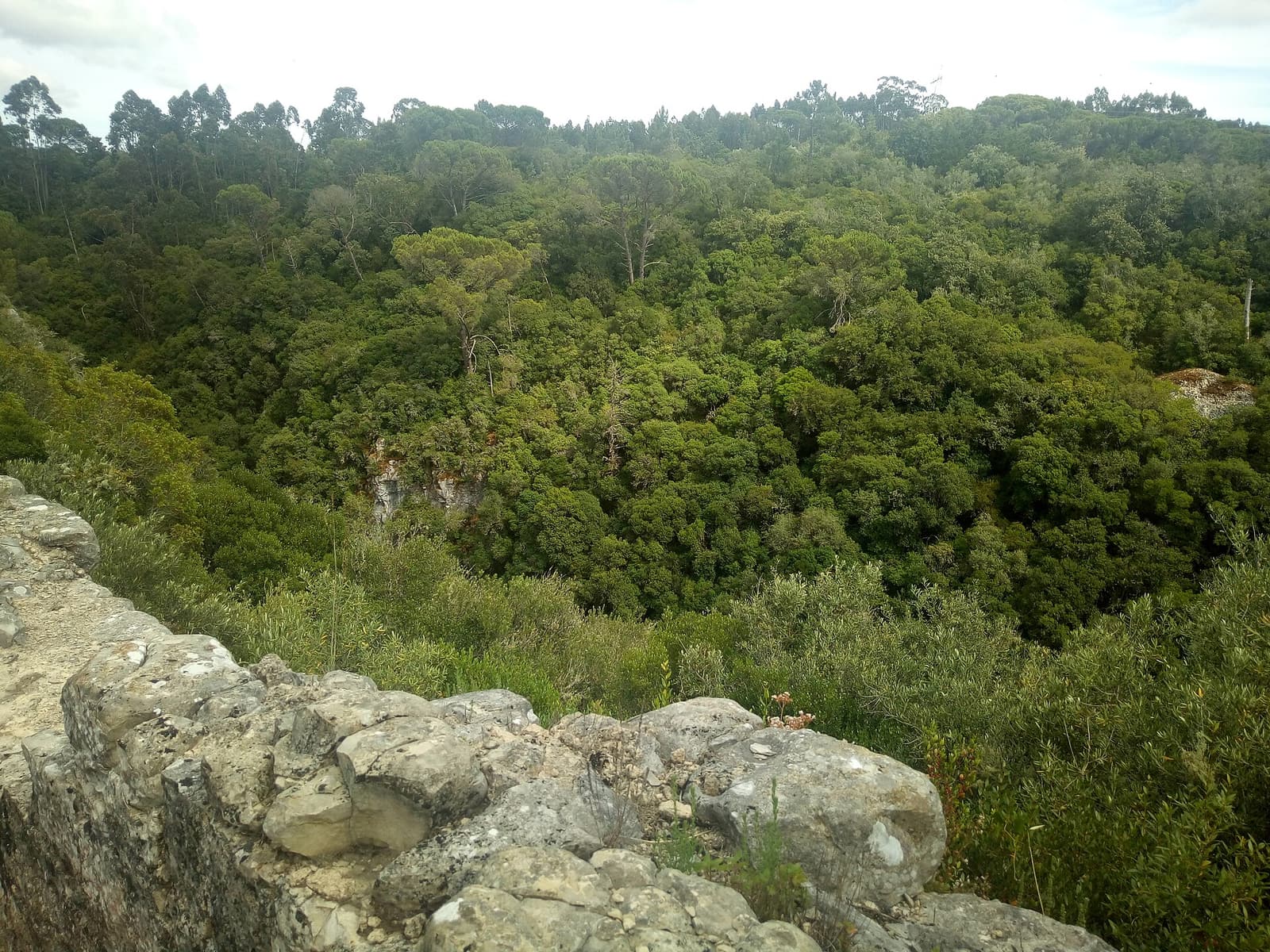
The Castle of Montemor-o-Velho is the most extensive fortification in the Mondego valley and one of the oldest castles in Portugal. Set on a hilltop overlooking the town, on the river’s right bank, it controls a decisive stretch of the Lower Mondego — the natural route linking the coast to Coimbra. For centuries this position made it a key element in the defence of the frontier and one of the most fiercely contested settings of the Reconquista of the Estremadura.
From Muslim fortress to the Reconquista
The origins of the site are remote: the fortified place is mentioned as early as the tenth century, in the context of al-Andalus, although human occupation of the spur is far older. Throughout the tenth and eleventh centuries, Montemor changed hands repeatedly. The chronicles record its conquest by the forces of Almanzor in 990, the Christian reconquest by Gonçalo Trastamires in 1034 and, above all, its definitive capture by Ferdinand the Great in 1064, which fixed the Christian line along the banks of the Mondego and made Coimbra and its surrounding lands secure ground.
With the region reorganised after 1064 under the authority of Sesnando Davides, the Mozarabic governor of Coimbra, the fortress was successively rebuilt. The walled perimeter walked today results largely from later medieval campaigns, with the Gothic character taking hold from the fourteenth century onwards.
More than an isolated castle, Montemor-o-Velho was the key to a defensive system: whoever held its hilltop held the passage to Coimbra.
The enclosure, the keep and the citadel
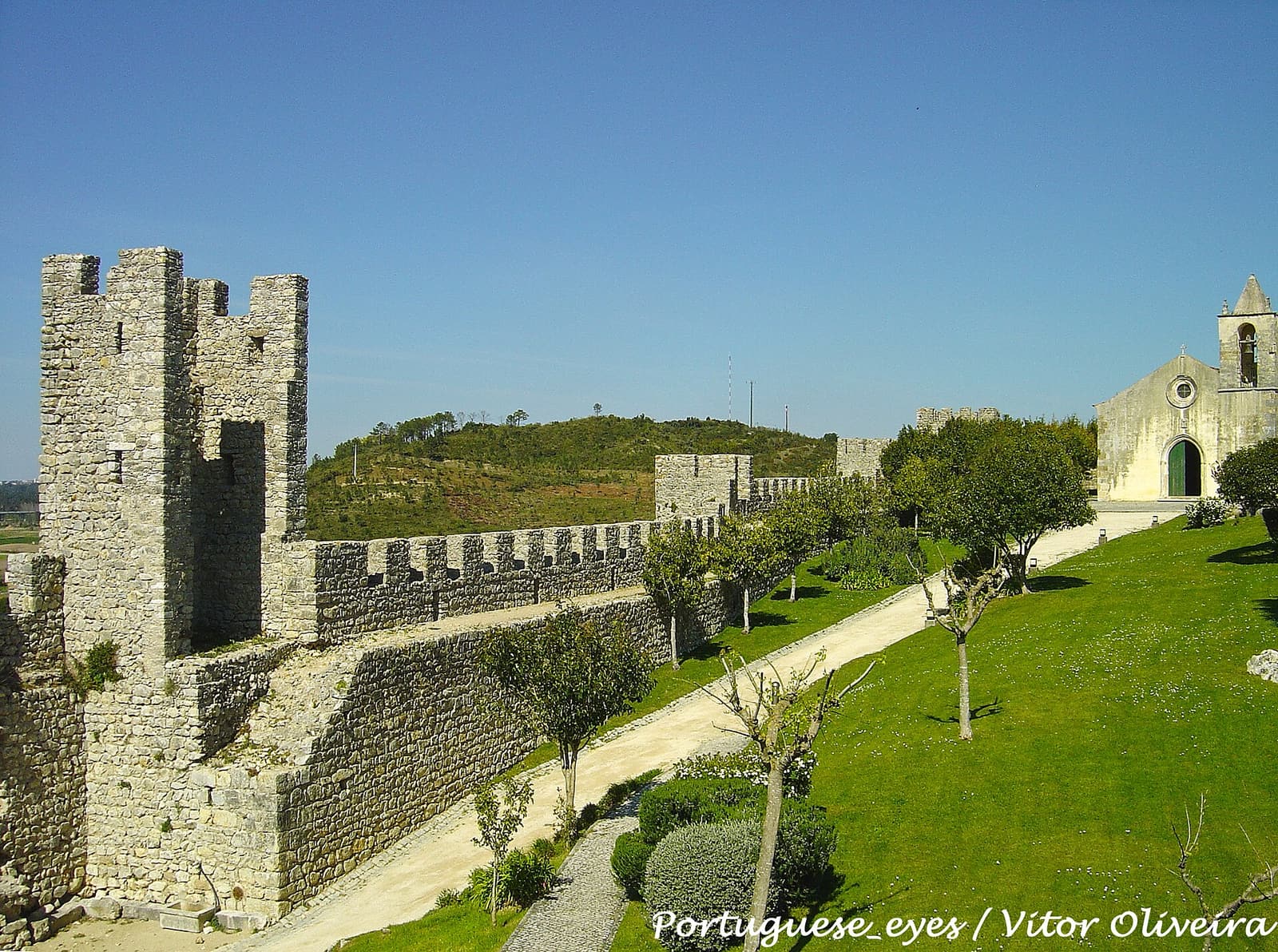
The complex stands out for the breadth of its enclosure: a long curtain of walls punctuated by towers and turrets, adapted to the irregular topography of the terrain rather than the compact layout typical of smaller fortresses. Within rises the keep, of quadrangular plan, beside which survive the remains of a former seigneurial palace.
At the heart of the citadel stands the Church of Santa Maria da Alcáçova, of medieval foundation and profoundly remodelled in the early sixteenth century, when it acquired its Manueline character. The church, with three naves, includes sculptural works attributed to the workshop of Mestre Pero, and is one of the reasons that justify a visit to the grounds beyond the military interest of the walls.
Significance and classification
The scale and antiquity of the castle give it a singular place among the fortifications of central Portugal. It belongs to a network of strongholds that articulated the defence of the Mondego, in dialogue with positions such as the Castle of Soure and with the urban core of Coimbra itself, whose Old Cathedral bears witness to the consolidation of Christian power in the same period. More broadly, it belongs to the world of the castles that structured medieval Portuguese territory.
The Castle of Montemor-o-Velho, together with the Church of Santa Maria da Alcáçova, has been classified as a National Monument since the decree of 23 June 1910. Open to visitors today, it preserves one of the most extensive walled enclosures in the country and a privileged viewpoint over the fields of the Mondego.
Frequently asked questions
- Where is the Castle of Montemor-o-Velho?
- It rises above the town of Montemor-o-Velho, in the district of Coimbra, commanding the right bank of the river Mondego, about 30 km west of the city of Coimbra.
- Why was it so important in the Reconquista?
- Because of its strategic position over the Lower Mondego, the castle guarded the approach to Coimbra. It changed hands several times between Christian and Muslim forces until its definitive conquest by Ferdinand the Great in 1064.
- What can be visited within the grounds?
- The highlights are the vast walled enclosure with its towers, the keep, and the Church of Santa Maria da Alcáçova, rebuilt in the Manueline style in the early sixteenth century.
Sources
Keep exploring
Heritage nearby
More places to discover from here. Approximate straight-line distances, within 50 km.