Monuments
Monastery of São Bento de Cástris
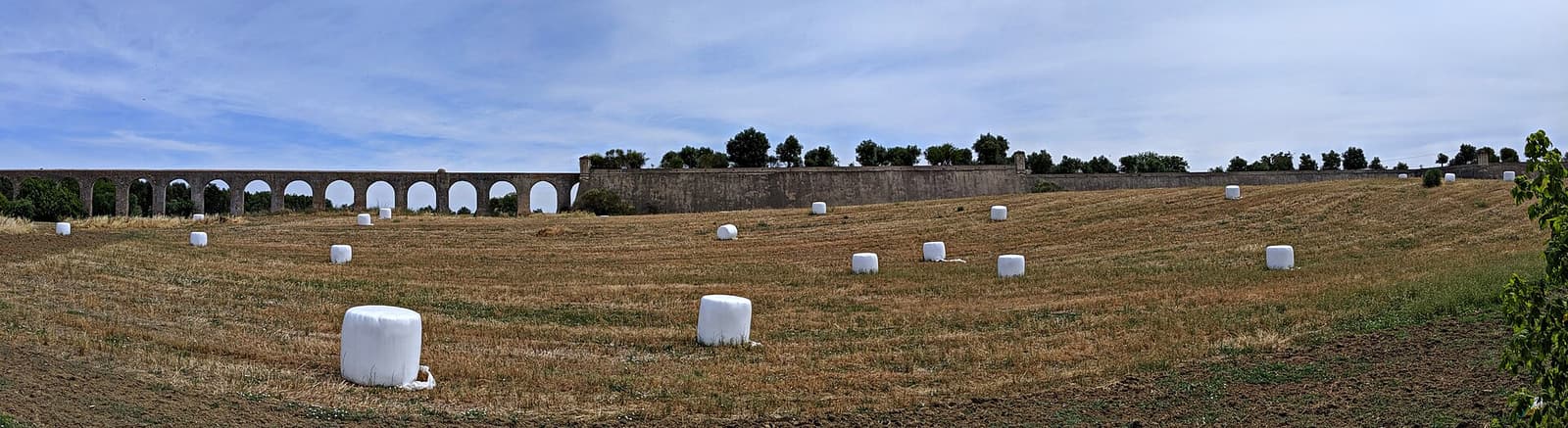
Monastery of São Bento de Cástris in Évora: the oldest Cistercian female convent south of the Tagus, renowned for its azulejos tiles, cloister, and mural paintings.

- Location
- Évora, Évora
- Built
- séculos XIII–XVI
- Style
- Gótico tardio e manuelino
Northwest of Évora, at the foot of Alto de São Bento and alongside a stream that for centuries powered its hydraulic machinery, stands the Monastery of São Bento de Cástris. A monastic house of enduring presence and secluded character, it is the oldest Cistercian female monastery south of the Tagus River and one of the most complete testimonies of conventual life in the Alentejo. Its architecture, modest on the outside but rich in history within, encapsulates nearly seven centuries of overlapping construction campaigns.
From Origins to the Cistercian Order
Tradition traces the site back to a hermitage dedicated to Saint Benedict, mentioned as early as the 12th century and associated with the early days of the Christian reconquest of Évora. In the last quarter of that century, D. Urraca Ximenes is said to have founded a convent, which in 1274 received papal authorization from Gregory X to integrate into the rule and Order of Cister. This date marks the true Cistercian foundation of the female community, which would become one of the region’s most significant religious institutions.
The monastery was not untouched by major events in the kingdom. During the dynastic crisis of 1383-1385, it became a scene of violence, with the abbess killed amid the turmoil between supporters of Castile and the Master of Avis. Such episodes remind us that these cloisters, far from being isolated worlds, were nodes in the social and political networks of their time.
Architecture and Azulejos
The built complex grew through accumulation between the 13th and 16th centuries, dominated by a late Gothic style with Manueline influences. The single-nave church retains its ribbed vault and is preceded by a galilee. The two-story cloister is the most eloquent feature: its arcades reveal solutions from different periods, reflecting the monastery’s own evolution.
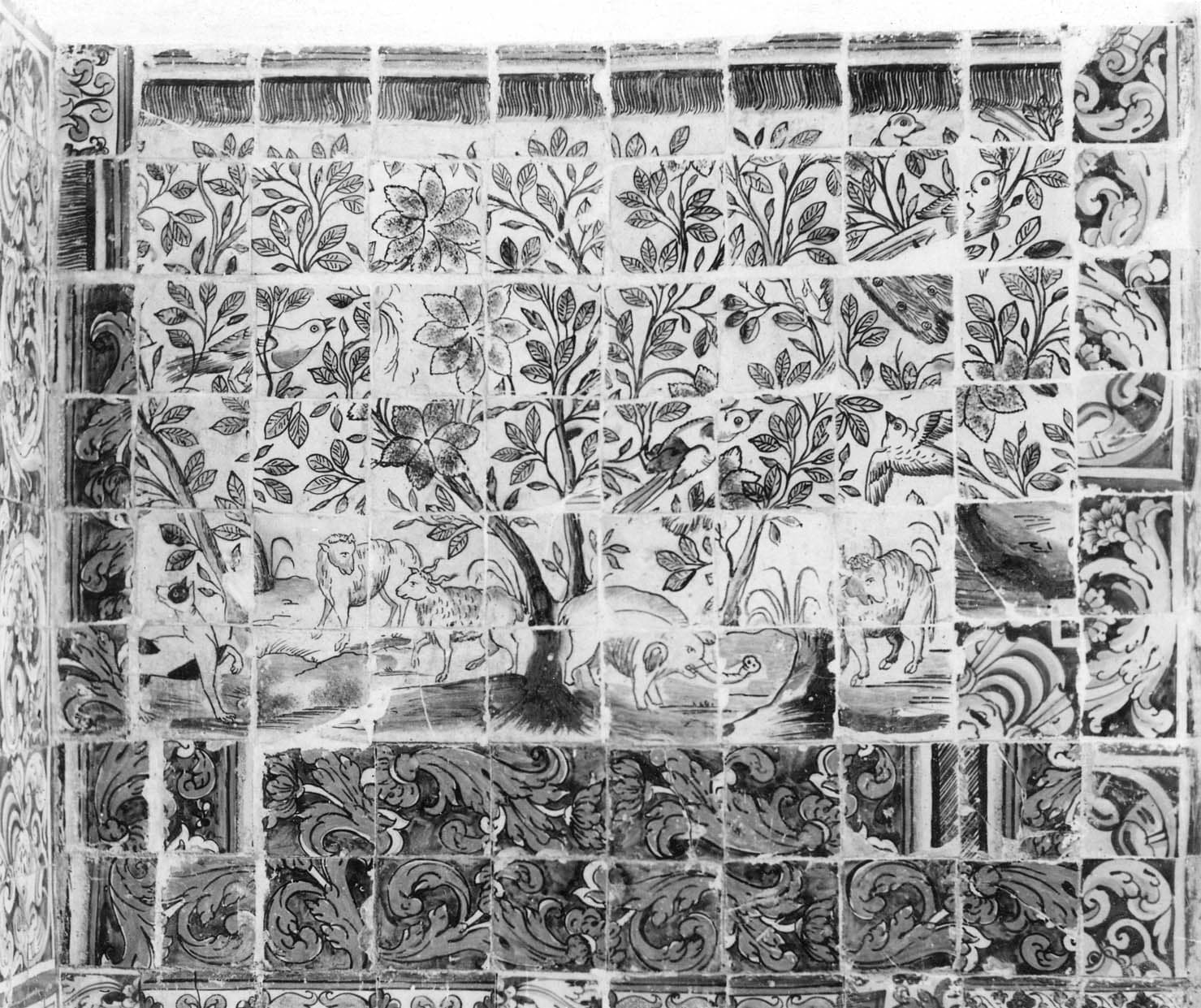
In the azulejo tilework of São Bento de Cástris, the visual narrative of Saint Bernard’s life transforms the convent corridors into a devotional journey, where the wall both teaches and prays simultaneously.
It is above all through azulejos that the monastery stands out. Blue and white panels, framed by polychrome borders, unfold episodes from the life of Saint Bernard of Clairvaux, the great spiritual master of Cister. Alongside the tiles, the refectory preserves a cycle of mural paintings attributed to José de Escobar, dating from the early 17th century, depicting the months and seasons—a rare testimony to the ornamentation of communal spaces.
From Enclosure to the Present
Religious life ended in 1890 with the death of the last nun, after which the building saw successive uses, including as an agricultural school and, for decades in the 20th century, as facilities for the Casa Pia. Classified as a National Monument since 1922, it has been the subject of preservation and research campaigns, with programs aimed at restoring its cultural, scientific, and spiritual functions.
Today, the monastery is part of the itineraries of Portuguese monastic heritage and can be understood in dialogue with other houses of the order, accessible through the Cistercian routes in Portugal. Integrated into Évora’s remarkable heritage ensemble, near the Évora Cathedral, it constitutes an essential chapter in the history of monasteries and convents in the country, where Cistercian austerity found a unique and enduring expression in the Alentejo.
Frequently asked questions
- Where is the Monastery of São Bento de Cástris located?
- It is situated northwest of Évora, at the foot of Alto de São Bento, in the parish of Malagueira e Horta das Figueiras, Évora district, in the Alentejo region.
- Why is this monastery significant?
- It is the oldest Cistercian female monastery south of the Tagus River, integrated into the Cistercian Order in 1274, and has been classified as a National Monument since 1922.
- What do the monastery's azulejos depict?
- The blue and white tile panels, with polychrome borders, narrate episodes from the life of Saint Bernard of Clairvaux, a central figure in Cistercian spirituality.
Sources
Keep exploring
Heritage nearby
More places to discover from here. Approximate straight-line distances, within 50 km.