Places
Mafra
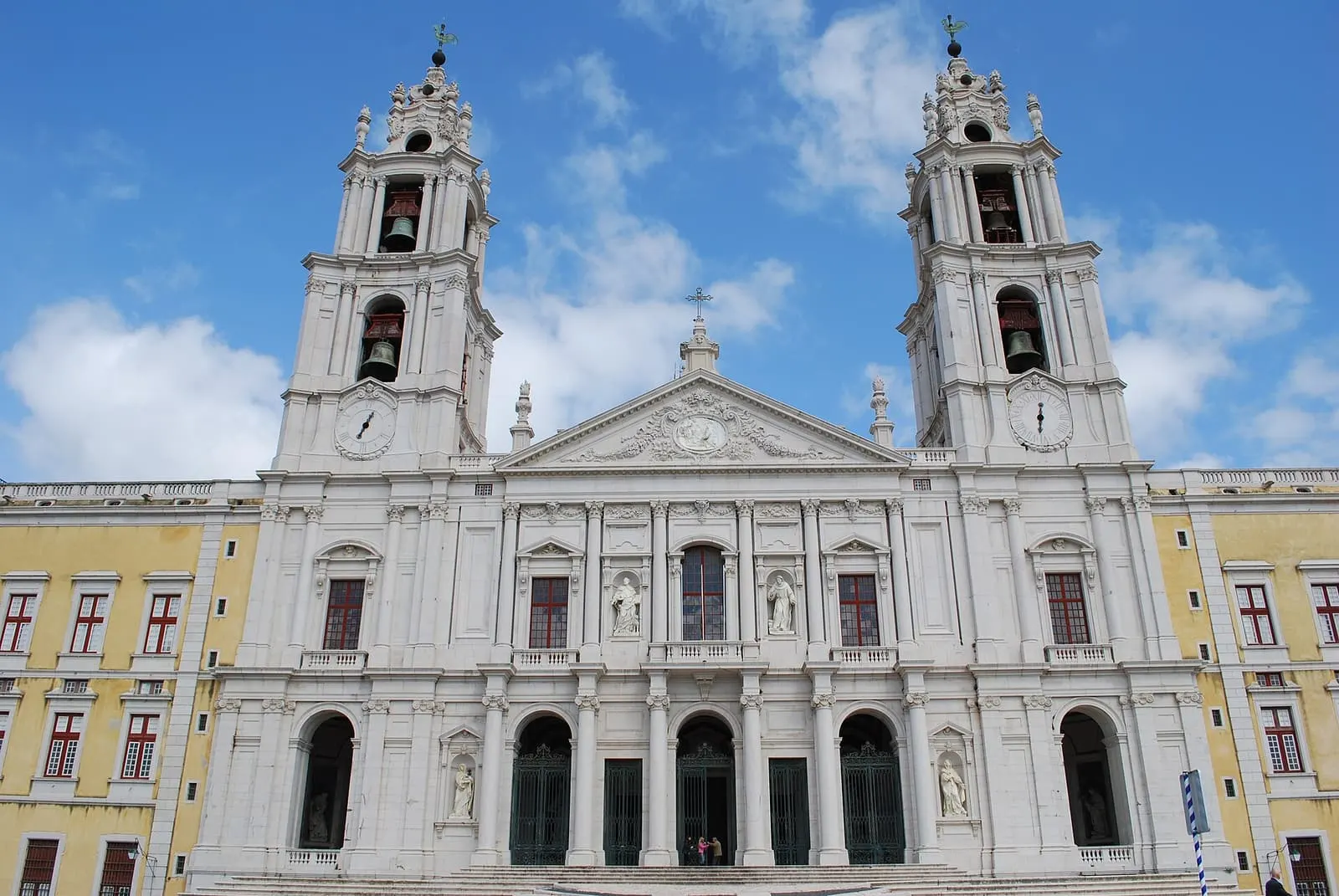
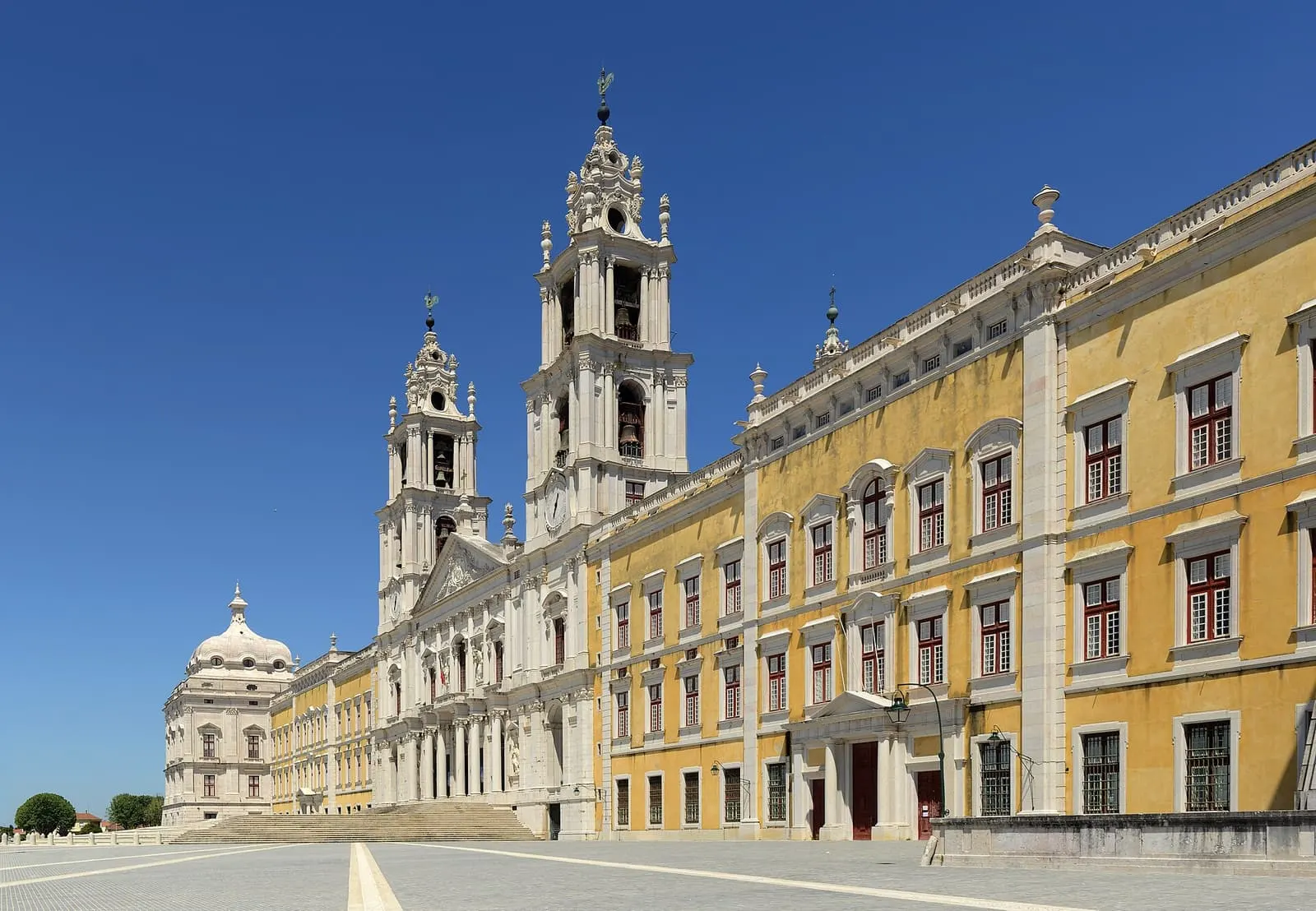
Mafra, a town in the district of Lisbon, famous for its monumental Baroque Palace-Convent listed by UNESCO and for the Tapada Nacional.
- Location
- Mafra, Lisboa
Mafra is a town and the seat of a municipality in the district of Lisbon, part of the Lisbon and Tagus Valley region, about 28 kilometres northwest of the capital. Set on a plateau in the former Estremadura, between the hills and the Atlantic coast, it owes much of its fame to a single, colossal monument that transformed a modest rural town into one of the most celebrated places of the European Baroque.
From medieval origins to a royal vow
Settlement of the region is extremely ancient, as attested by the Chalcolithic site of Penedo do Lexim. The town itself gained standing in the Middle Ages: it is said to have been taken from the Moors during the conquest of Lisbon by King Afonso Henriques (1147) and received a charter, with a new charter granted by King Manuel I in 1513. For centuries Mafra remained a small farming settlement of little prominence.
Everything changed in the early eighteenth century. According to tradition, King João V vowed to build a convent should he be granted offspring. With the promise fulfilled, the monarch, enriched by Brazilian gold, launched in 1717 the construction of an immense religious and palatial complex that would employ thousands of workers over more than a decade.
The Royal Building and the Tapada
The result was the Royal Building of Mafra, a monumental complex that brings together palace, basilica and convent in a single structure of almost four hectares, with some 1,200 rooms. The National Palace of Mafra houses one of the most remarkable eighteenth-century libraries in Europe and two celebrated sets of carillons in the basilica, while the monastic side is documented in the former Convent of Mafra. The work is the supreme expression of the Joanine Baroque, with a strong influence of Italian and Germanic architecture mediated by the architect João Frederico Ludovice.
More than a devotional whim, the Mafra complex was a political manifesto: the staging, in limestone, of the absolutism and economic power of a king who sought to rank with the great Catholic monarchs of his time.
In 1744, by royal decree, the land for the Tapada was acquired — a vast walled domain, today the Tapada Nacional de Mafra, which served as a hunting ground and pleasure garden for the Royal Family while also providing the palace with some degree of self-sufficiency. Together with the Cerco garden, the palace, basilica, convent and tapada were inscribed on the UNESCO World Heritage List in 2019, under the designation “Royal Building of Mafra”.
A municipality between the hills and the sea
The municipality of Mafra covers about 292 km² and, in 2021, had more than 86,000 inhabitants, spread across several parishes. To the west, the coast offers its natural counterpoint to Baroque monumentality: the fishing town of Ericeira, now recognised as a World Surfing Reserve, and a set of much-sought-after Atlantic beaches. Its proximity to Lisbon and to other monumental centres of the region makes Mafra a frequent destination for those exploring the heritage of the former territory of Lisbon.
Despite the demographic growth and urban pressure of recent decades, Mafra retains an identity of its own — at once rural, Atlantic and deeply marked by the grandiose shadow of its palace-convent.
Frequently asked questions
- Where is Mafra?
- Mafra is a town and seat of a municipality in the district of Lisbon, in the Lisbon and Tagus Valley region, about 28 km northwest of the capital, near the Atlantic coast of Ericeira.
- Why is Mafra famous?
- Mafra is known above all for its Baroque Palace-Convent, the greatest undertaking of the reign of King João V, listed as a UNESCO World Heritage Site in 2019, and for the vast adjoining royal Tapada.
- What can you visit in Mafra besides the palace?
- Besides the National Palace, highlights include the basilica and its carillons, the Joanine library, the Tapada Nacional de Mafra and, on the municipality's coast, the fishing town of Ericeira.
Sources
Keep exploring
Heritage nearby
More places to discover from here. Approximate straight-line distances, within 50 km.