Archaeology
The Mazouco Rock Engravings
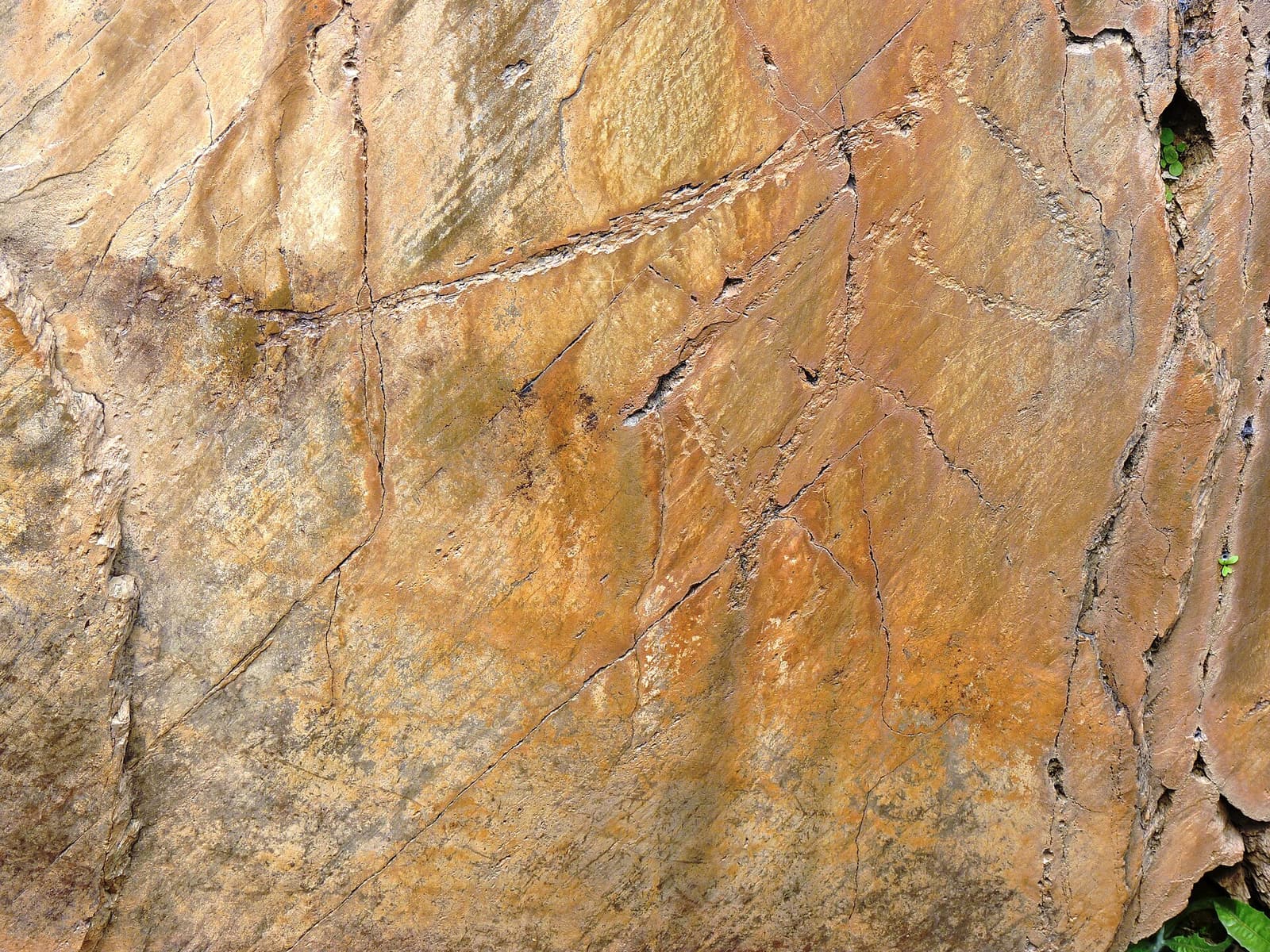
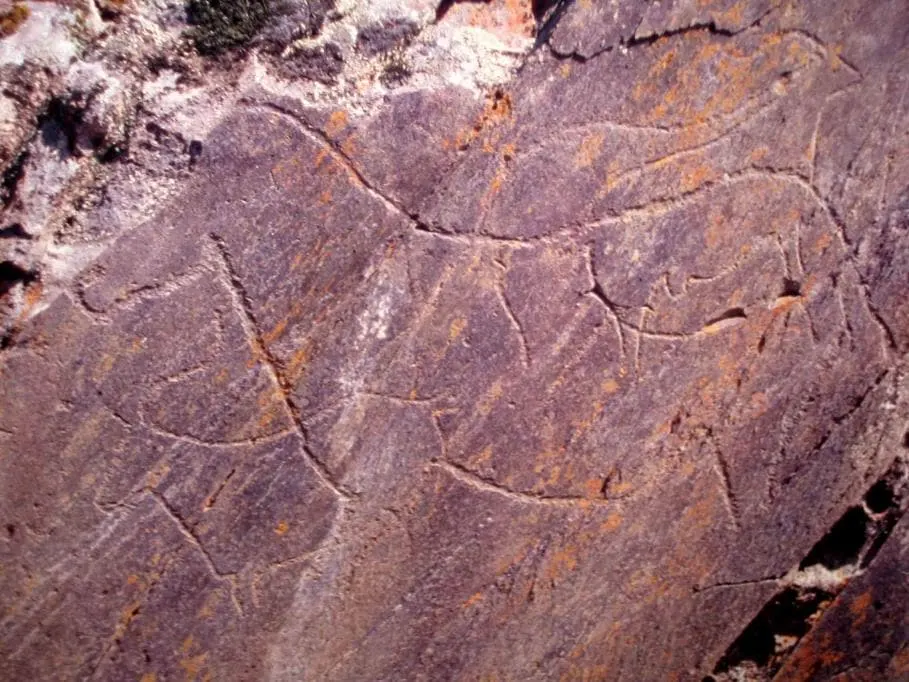
The Mazouco rock engravings, at Freixo de Espada à Cinta, with the celebrated Palaeolithic horse — the first open-air rock art recognised in Portugal.
- Location
- Freixo de Espada à Cinta, Bragança
- Built
- Paleolítico Superior
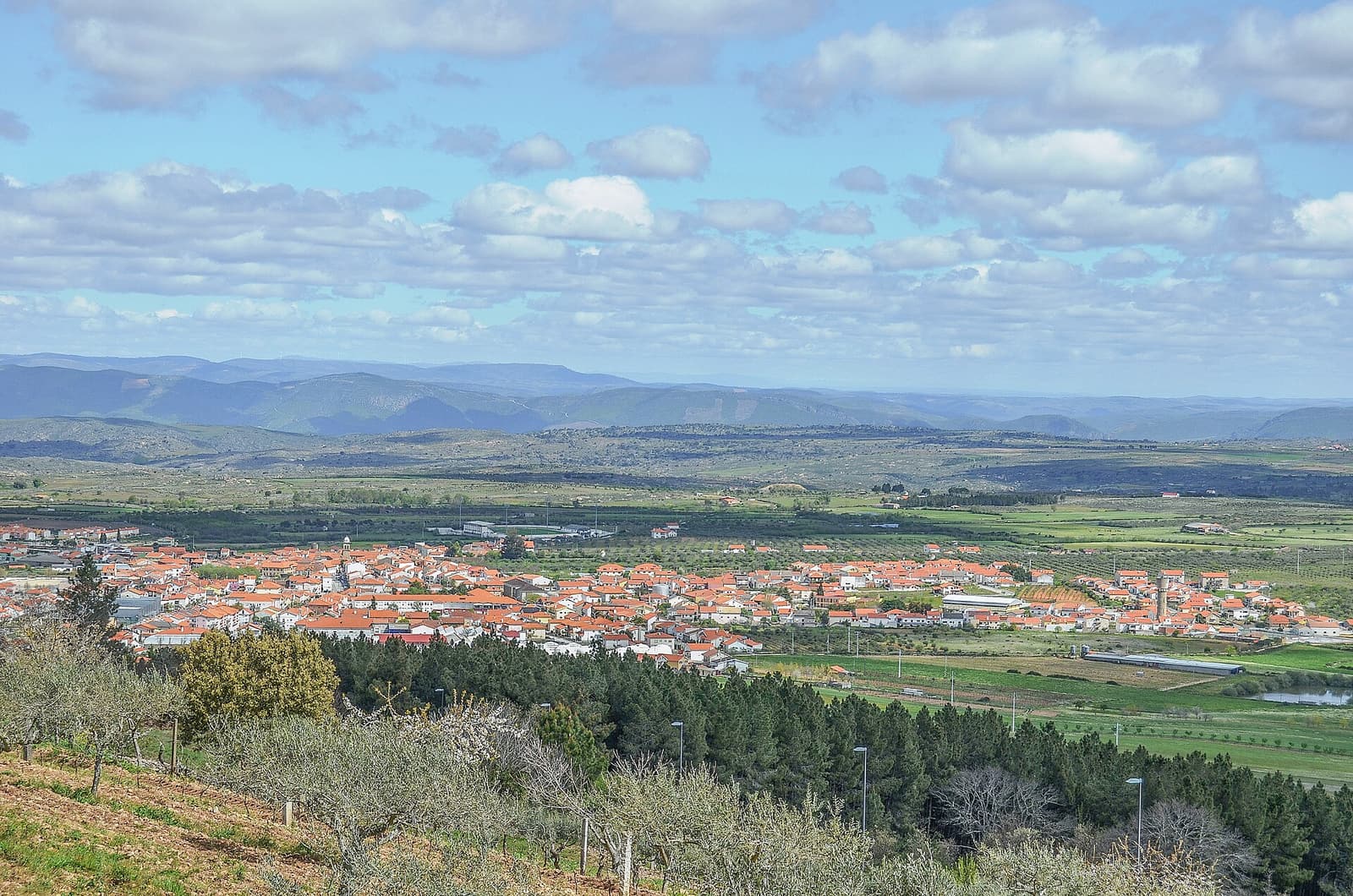
The Mazouco rock engravings are carved into schist outcrops on the escarpments that descend towards the river Douro, close to the small village of Mazouco, in the municipality of Freixo de Espada à Cinta, district of Bragança. Although long known to the local population, they were brought to the attention of the scientific community in 1981, becoming the first open-air Palaeolithic rock art site identified in Portugal — and one of the first recognised anywhere in Europe. They were classified as a Property of Public Interest in 1983.
The Mazouco horse
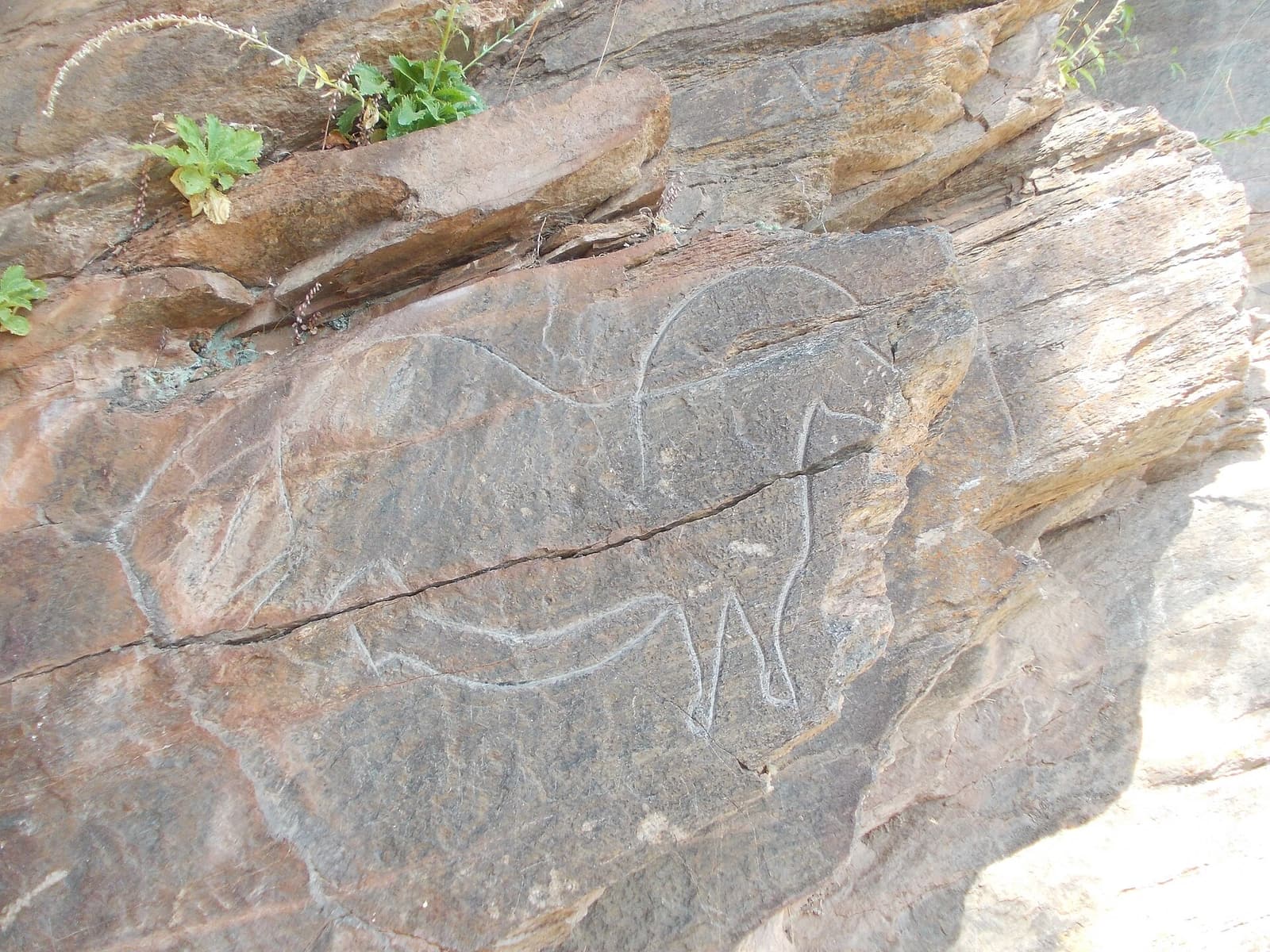
The central figure of the group is an outline engraving of a horse, about 62 cm long and 37.5 cm high. The firm, well-defined line of the design suggests a certain dynamism in the legs and a remarkable descriptive precision, qualities that make the “little Mazouco horse” one of the most accomplished and celebrated images of open-air Palaeolithic rock art. Alongside this figure, the panel includes two other zoomorphic motifs of more imprecise outline, executed on the schist surface using the techniques characteristic of this art — pecking and abrasion.
Stylistically, the engravings belong to the horizon of the Upper Palaeolithic, being related to the final phases of the Solutrean and the Magdalenian of Iberian art. The choice of medium — vertical schist walls, exposed to the elements, rather than the seclusion of a cave — already heralds the distinctive character of the rock art of the north-west of the peninsula, which would reveal itself in all its scope some years later.
A landmark for Portuguese archaeology
Before Mazouco, European Palaeolithic art was thought of almost exclusively as a cave phenomenon. The discovery of such an ancient figure in the open air, exposed to daylight, forced a rethinking of where — and how — to look for these images.
The importance of Mazouco extends far beyond the beauty of its best-known figure. By demonstrating that open-air Palaeolithic art existed in the heart of the Douro valley, the site opened a decisive line of enquiry for later research. When, in 1994, the engravings of the Côa Valley were identified a few kilometres to the south, the precedent of Mazouco helped to support the authenticity and Palaeolithic chronology of that monumental ensemble, today classified as a World Heritage Site. Mazouco thus appears as a foretaste of what would become the most extensive repository of open-air Palaeolithic rock art known.
The site lies in a region that is particularly rich from an archaeological standpoint, where the schist outcrops along the banks of the Douro and its tributaries have preserved, over millennia, successive layers of engraving. The study of Mazouco helped to consolidate the frame of reference of Portuguese archaeology regarding the Palaeolithic, the period in which communities of hunter-gatherers roamed these territories.
Visiting and conservation
The site is now part of the heritage interpretation trails of the Douro Internacional, accessible from Mazouco via a path leading to a viewpoint over the river. As with all open-air engraved art, the conservation of the figures depends on continuous monitoring against the natural erosion of the schist, exposure to water, and the pressures of visitor traffic. Rigorous documentation and the signposting of the trail seek to reconcile public access with the safeguarding of one of the oldest and most singular testimonies of human presence in the north-east of Trás-os-Montes.
Frequently asked questions
- Where are the Mazouco engravings located?
- They lie close to the village of Mazouco, in the municipality of Freixo de Espada à Cinta, district of Bragança, on schist outcrops along the slopes that descend towards the river Douro, in the north-east of Trás-os-Montes.
- Why are the Mazouco engravings important?
- Identified in 1981, they constitute the first open-air Palaeolithic rock art site recognised in Portugal and one of the first in Europe, anticipating the discovery of the Côa Valley by more than a decade.
- What does the Mazouco horse depict?
- It is an outline engraving of a horse, about 62 cm long, attributed to the Upper Palaeolithic. It is the clearest and most famous figure of the group, regarded as one of the finest images of open-air rock art.
Sources
Keep exploring
Heritage nearby
More places to discover from here. Approximate straight-line distances, within 50 km.