Monuments
Monastery of São Pedro de Rates
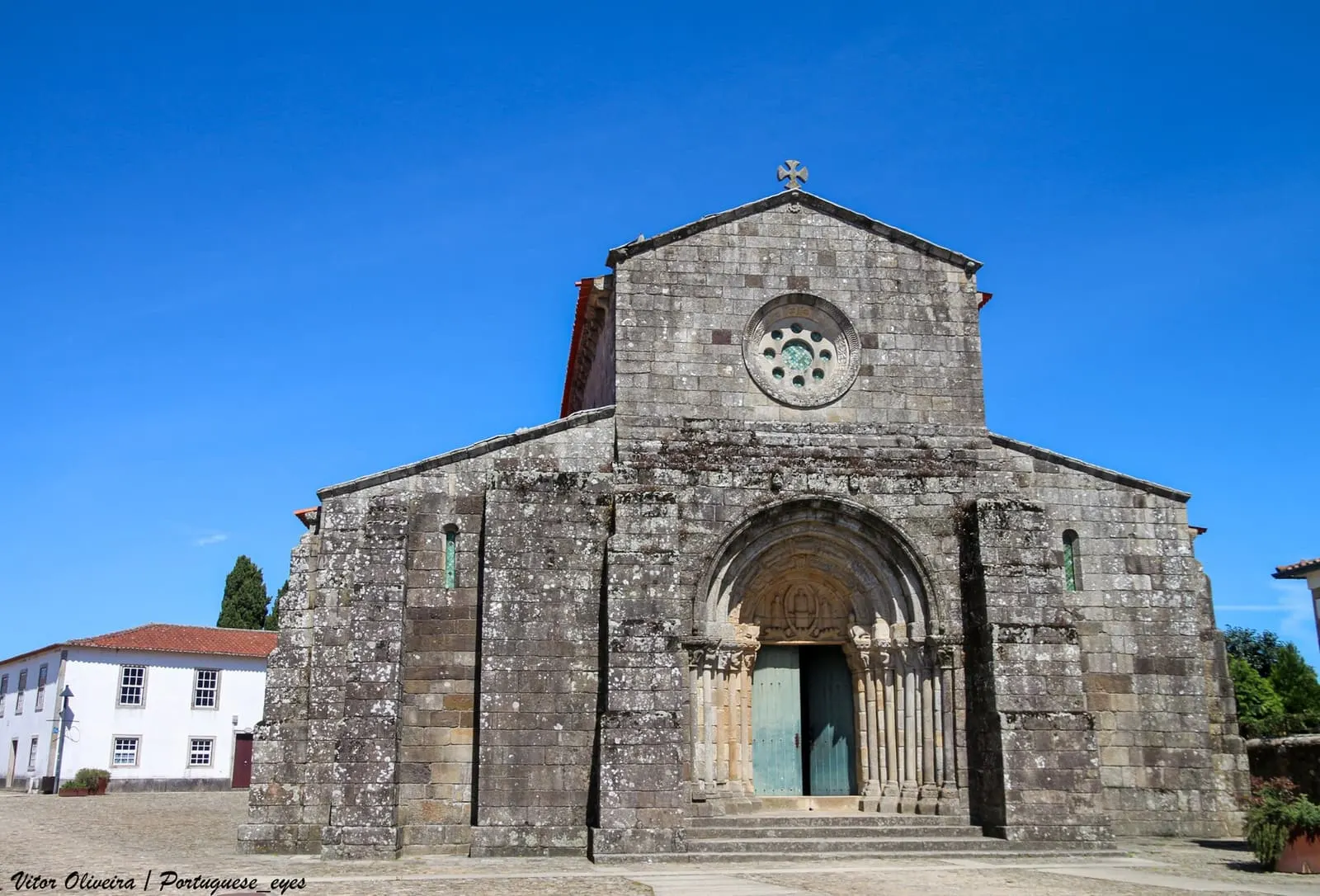
Romanesque monastic church of São Pedro de Rates in Póvoa de Varzim: Portugal's first Cluniac priory and landmark of Northern Romanesque art.
- Location
- São Pedro de Rates, Póvoa de Varzim, Porto
- Built
- séc. XII-XIII
- Style
- Românico
The Monastery of São Pedro de Rates stands in the eponymous village of Póvoa de Varzim municipality, Porto district, preserving one of the most significant churches of Portuguese Romanesque architecture. Although the medieval cenobium has disappeared as an active community, the surviving temple — often simply referred to as the Church of São Pedro de Rates — holds in its granite walls the memory of one of the foundational episodes of national monastic architecture: the arrival of the Cluniac reform in the territory that was becoming Portugal.
Origin and Cluniac Refoundation
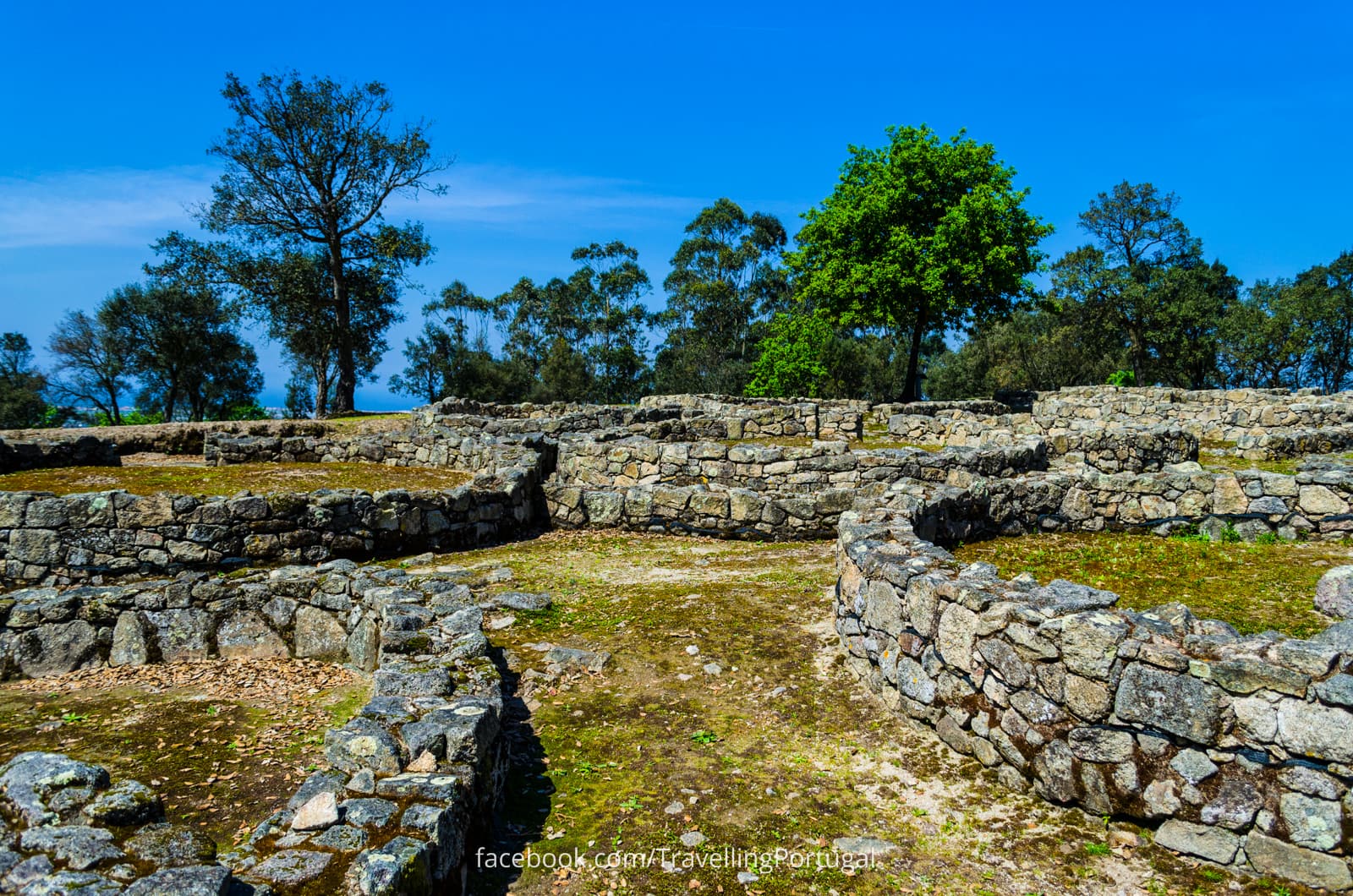
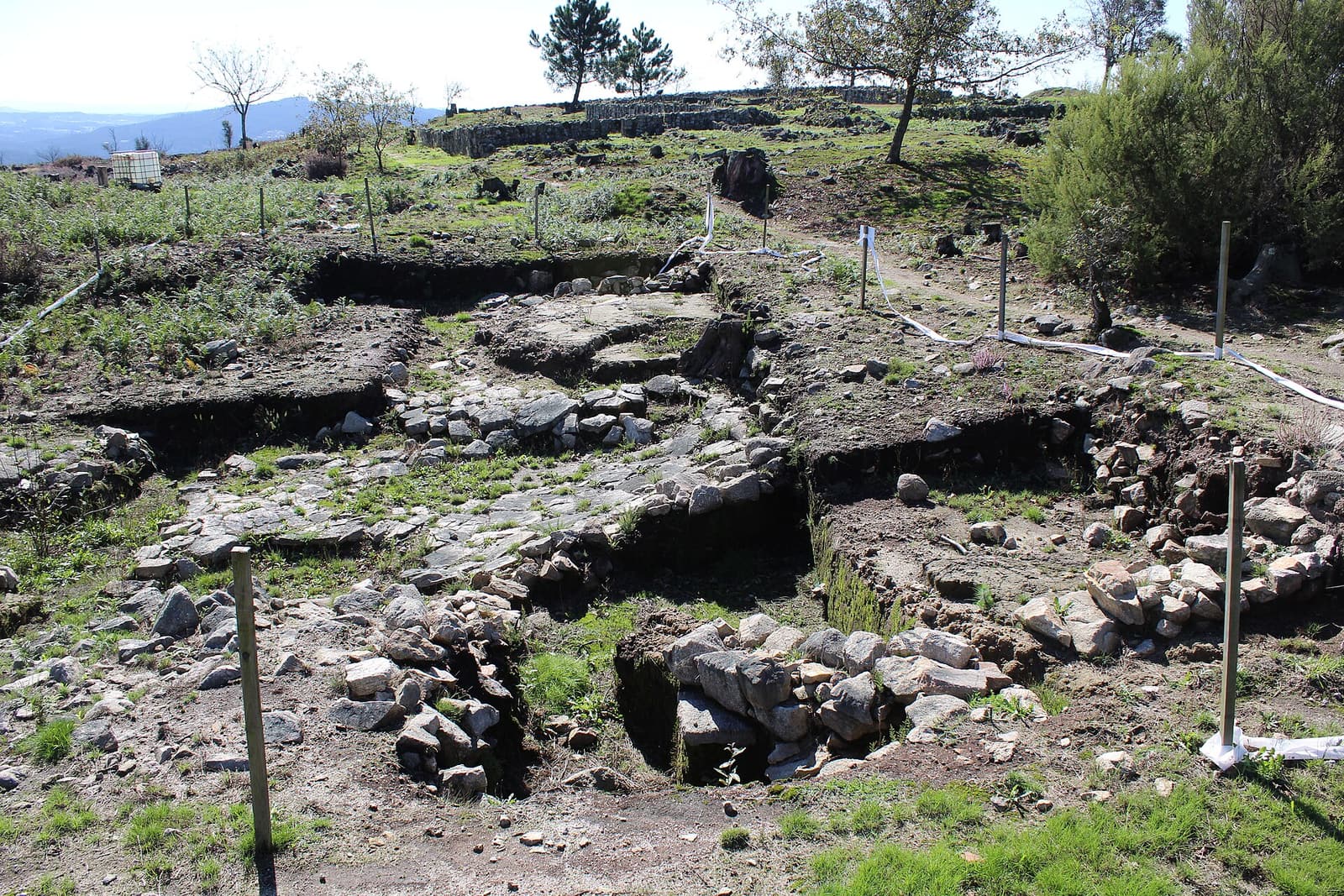
Tradition links the site to the cult of São Pedro de Rates, considered the first bishop of Braga and a martyr, whose burial and devotion are believed to have established a religious center here long before the Romanesque structure. Archaeological campaigns conducted in 1997 and 1998 documented continuous occupation from the Suebi-Visigothic period (6th century), confirming the site’s ancient origins.
The decisive moment came in the late 11th century when Count Dom Henrique of Burgundy and Dona Teresa of León donated the ruined monastery of Rates to the priory of La Charité-sur-Loire, dependent on the powerful Abbey of Cluny in France. Thus was born the first Cluniac priory on Portuguese soil, governed by the Benedictine Rule and integrated into the European network that was then reshaping Western religious life. This connection explains the ambition and erudition of the subsequent architectural project.
The importance of Rates lies not only in its antiquity but in the fact that it introduced, on the scale of the County of Portugal, the formal solutions of one of the greatest monastic networks of medieval Europe.
The Romanesque Structure
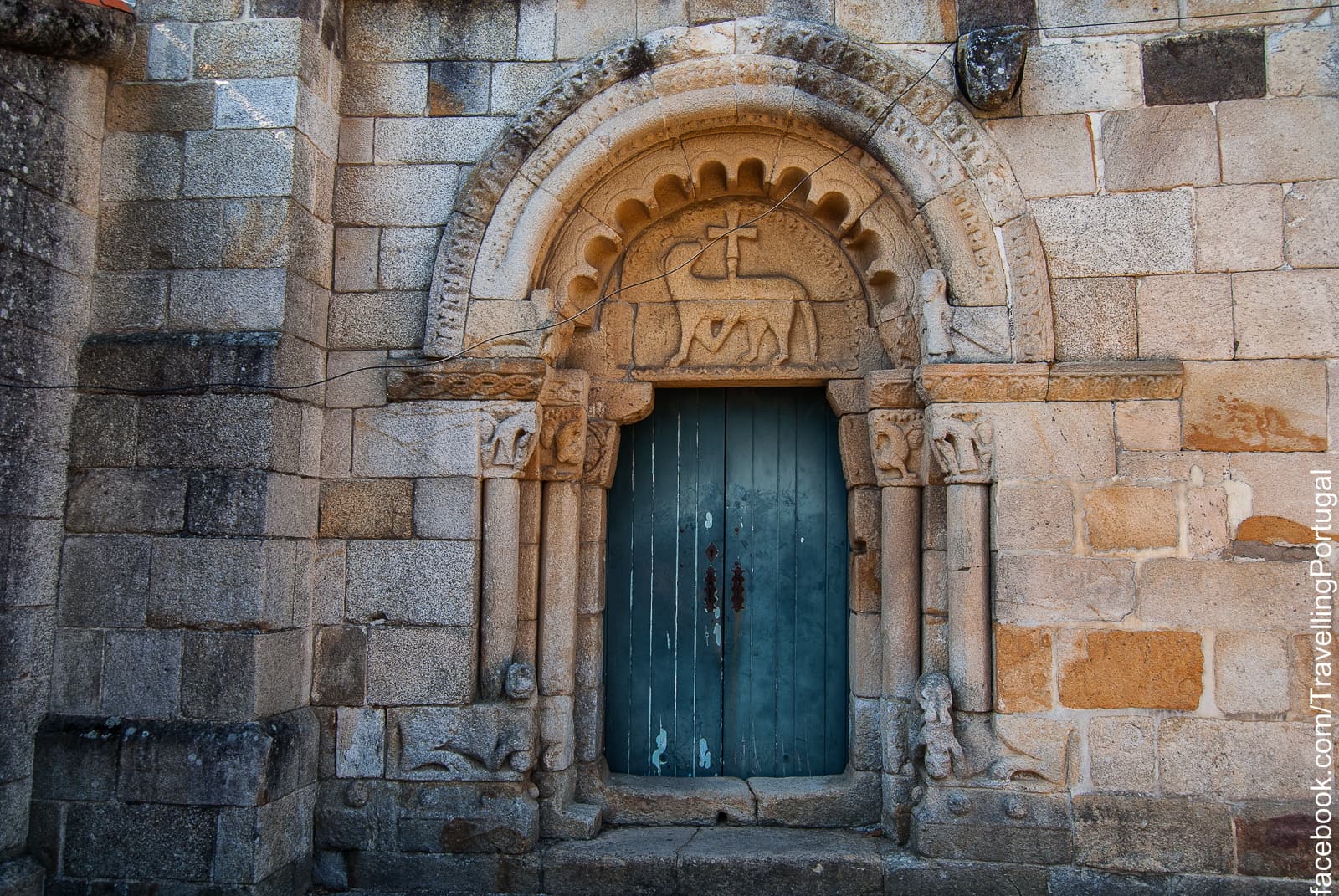
The construction of the Romanesque church began in the second quarter of the 12th century and lasted about a century, with pauses and program changes typical of a long-term building site. The result is a Latin cross-plan church with three naves separated by arches, a protruding transept, and an apse with smaller apsidioles. The granite stone, the richly carved western portal, and the sculptural decoration — historiated capitals, corbels, and vegetal and zoomorphic motifs — make Rates an early repository of the vocabulary that would come to define Romanesque architecture in Portugal.
The building underwent interventions in the 15th, 17th, and 18th centuries but never lost its Romanesque coherence, distinguishing Rates from so many medieval buildings profoundly altered in later periods. Its quality led to its classification as a National Monument as early as 1910 and made the church a mandatory reference in the ensemble that today forms part of the Romanesque Route of Northern Portugal.
Significance and Context
Due to its Cluniac affiliation, Rates precedes and paves the way for other great Benedictine monasteries in the region, such as the Monastery of Paço de Sousa, sharing with them a language of portals, corbels, and apses that became a common landscape in the Romanesque style between the Douro and Minho regions. The village, in turn, lies on one of the pilgrimage routes crossing the northwestern Peninsula, close to the Portuguese Coastal Way to Santiago de Compostela.
Visiting Rates is thus reading multiple layers simultaneously: the ancient sanctuary of a Braga martyr, the European monastic reform of the 11th century, and the maturation of a Romanesque aesthetic that would mark Northern Portugal for centuries. A Museum Center installed near the church contextualizes these readings, linking archaeological findings with the living history of the Rates community.
Frequently asked questions
- Where is the Monastery of São Pedro de Rates located?
- It is situated in the village of São Pedro de Rates, in the municipality of Póvoa de Varzim, Porto district, at Largo do Conde Dom Henrique.
- Why is the Monastery of São Pedro de Rates important?
- It was the first priory of the Cluniac Order in Portugal and one of the oldest and most influential churches of Portuguese Romanesque architecture.
- Who was São Pedro de Rates?
- According to tradition, he was the first bishop of Braga, a Christian martyr whose cult gave rise to the sanctuary and the place name of the village.
Sources
Keep exploring
Heritage nearby
More places to discover from here. Approximate straight-line distances, within 50 km.