Monuments
Church of São Pedro de Rates (Póvoa de Varzim)
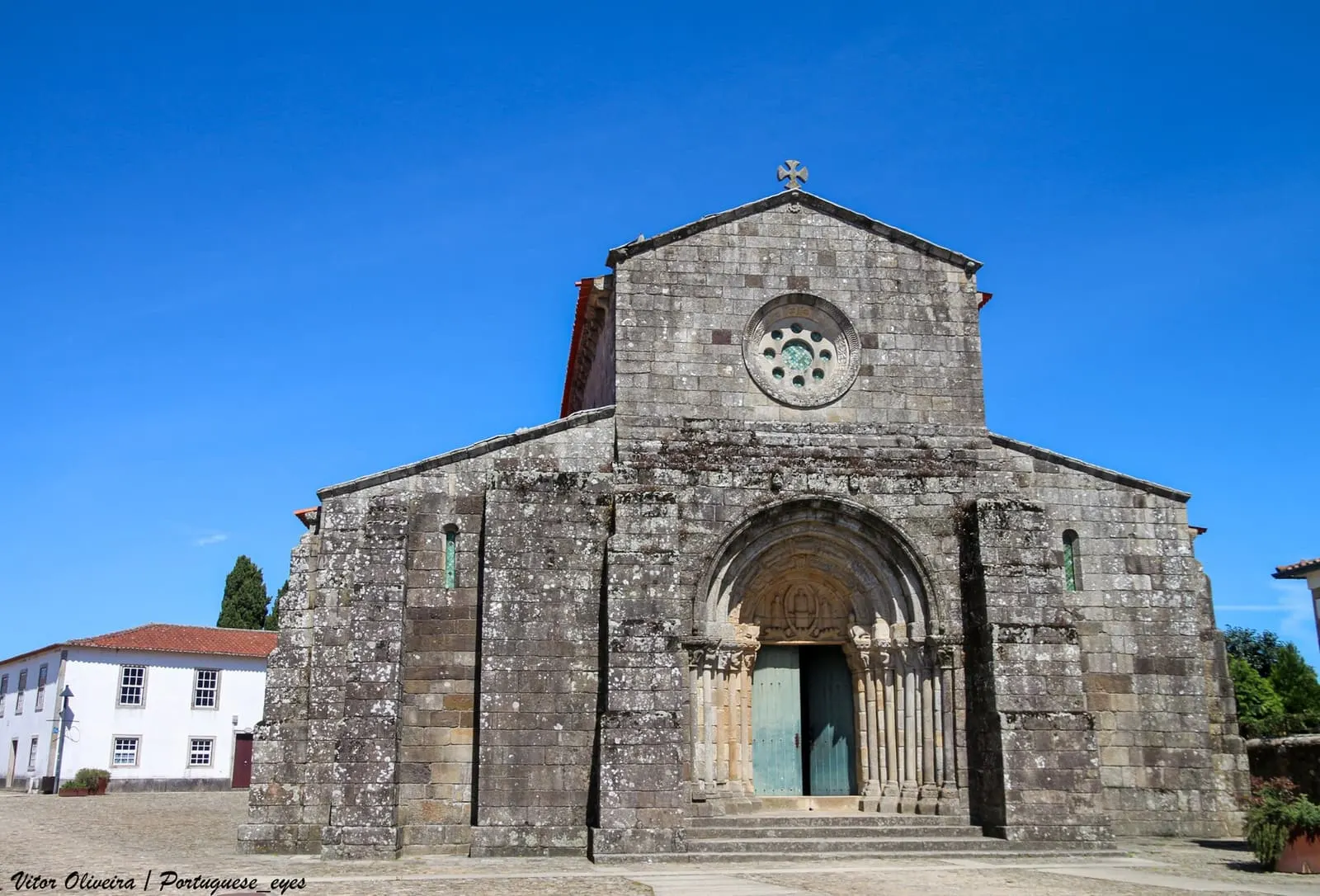
The Church of São Pedro de Rates, a twelfth-century Romanesque monument in São Pedro de Rates, Póvoa de Varzim, linked to Cluny and to the first bishop of Braga.
- Location
- São Pedro de Rates, Porto
- Built
- séculos XII-XIII
- Style
- Românico
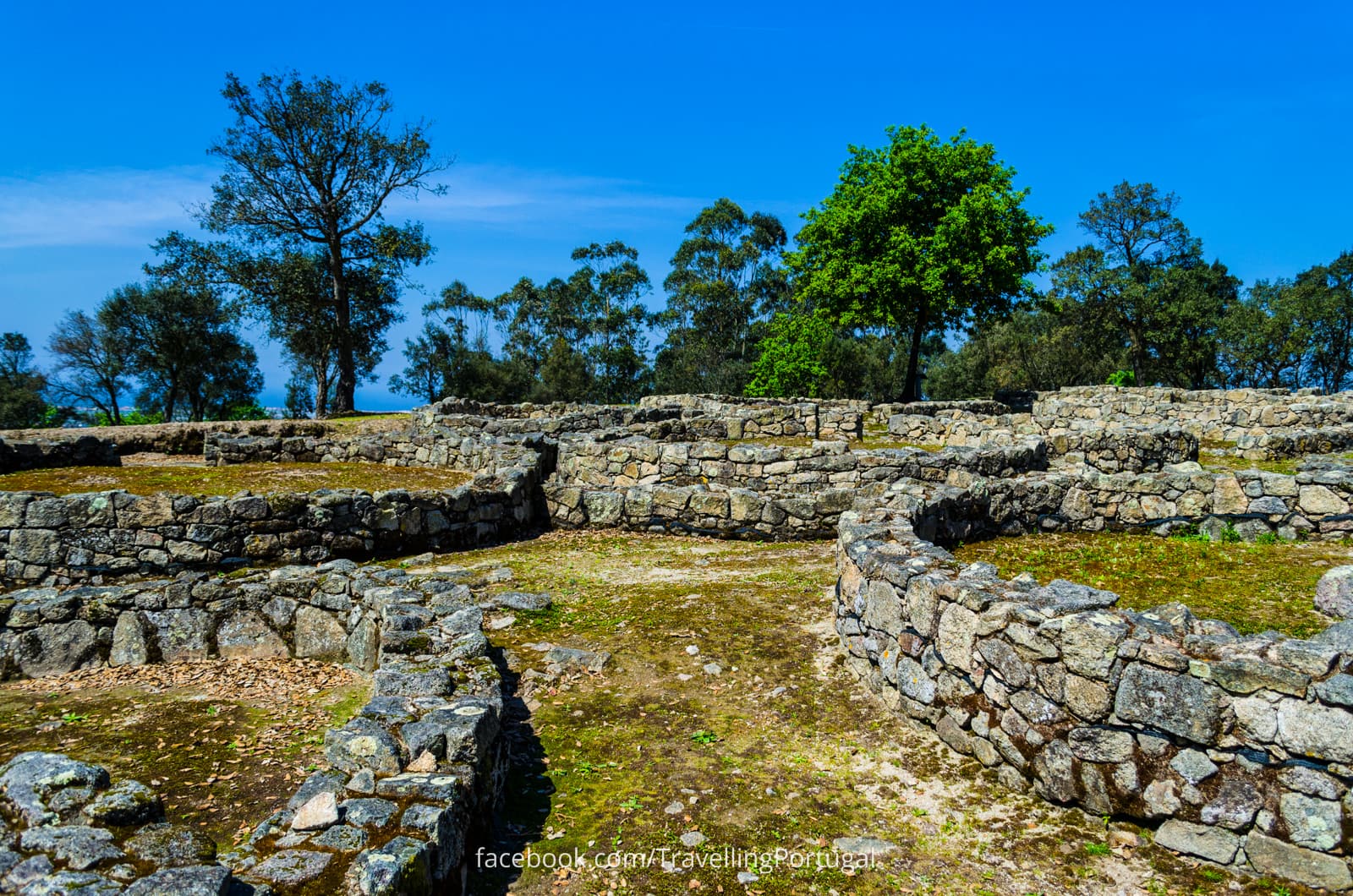
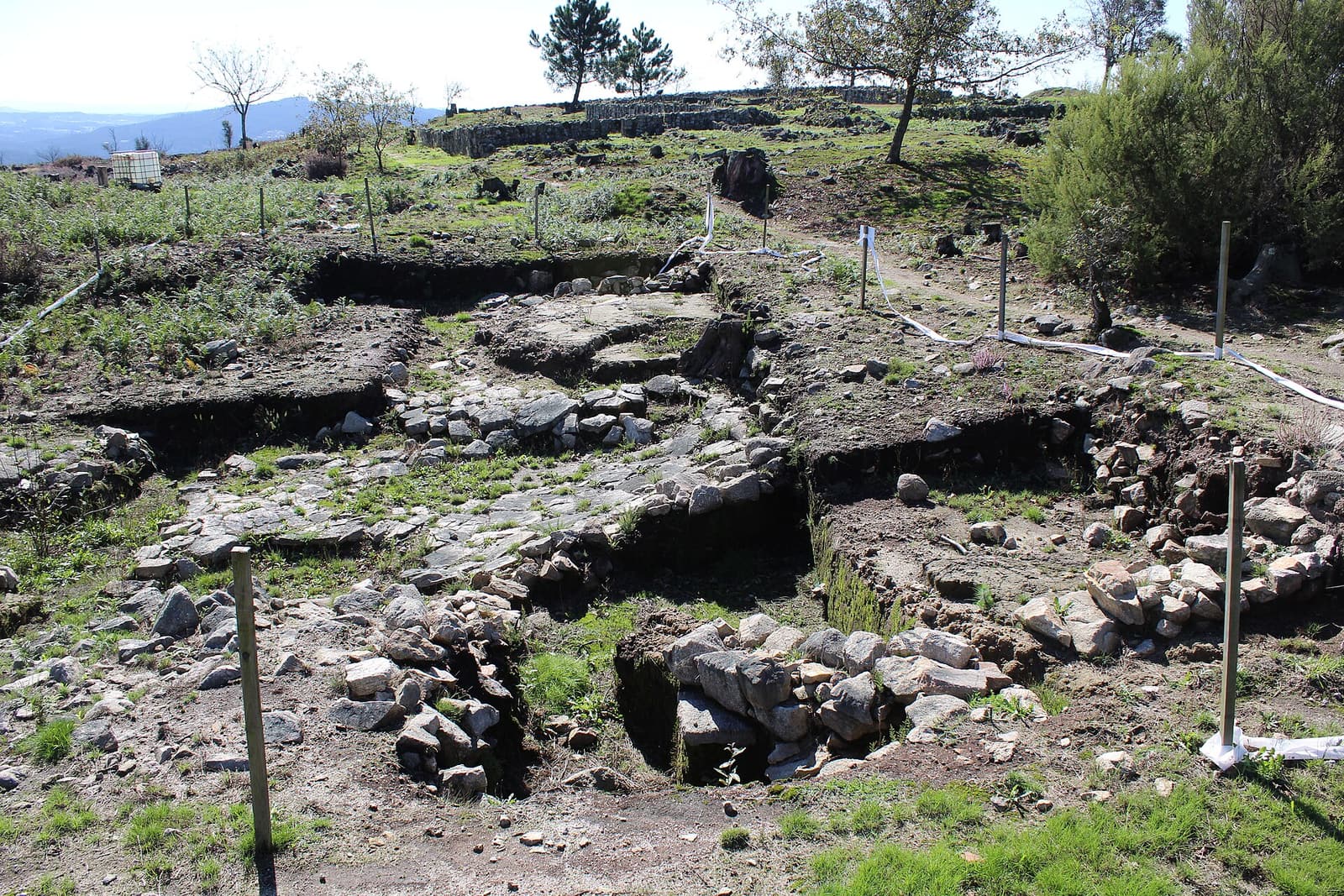
The Church of São Pedro de Rates rises in the parish of São Pedro de Rates, in the municipality of Póvoa de Varzim, district of Porto, and is one of the most significant monuments of the Romanesque of the Baixo Minho. Its construction, carried out chiefly in the twelfth and thirteenth centuries, rests upon a site of long occupation, with remains of Roman date and of an earlier Suevic-Visigothic temple. Through the quality of its architectural forms and its sculptural programme, it holds a prominent place in Romanesque architecture in Portugal. It has been classified as a National Monument since 1910.
History and the Cluniac refoundation
The site of Rates is linked to the figure of São Pedro de Rates, venerated as the first bishop of Braga and the protagonist of a tradition that associates him with apostolic preaching in the region. His relics remained in the church until 1552, the year in which they were translated to the Cathedral of Braga.
At the beginning of the twelfth century, Count Henry of Burgundy and Teresa of León donated the monastery of Rates, then in ruins, to the priory of La Charité-sur-Loire, a dependency of the Order of Cluny. This Cluniac refoundation gave new life to the monastery and lies at the origin of the Romanesque building preserved today. The monastic history of the complex is treated in greater detail on the page dedicated to the Monastery of São Pedro de Rates.
Architecture and sculpture
The church has a basilical plan of three naves, separated by arches resting on piers, with a tripartite chancel composed of a main chapel and two side apses. The naves were covered by a timber structure, while the main chapel received a barrel vault. The medieval campaigns experimented with innovative vaulting solutions, which some interpretations associate with the first experiments in pointed vaulting in Portuguese territory.
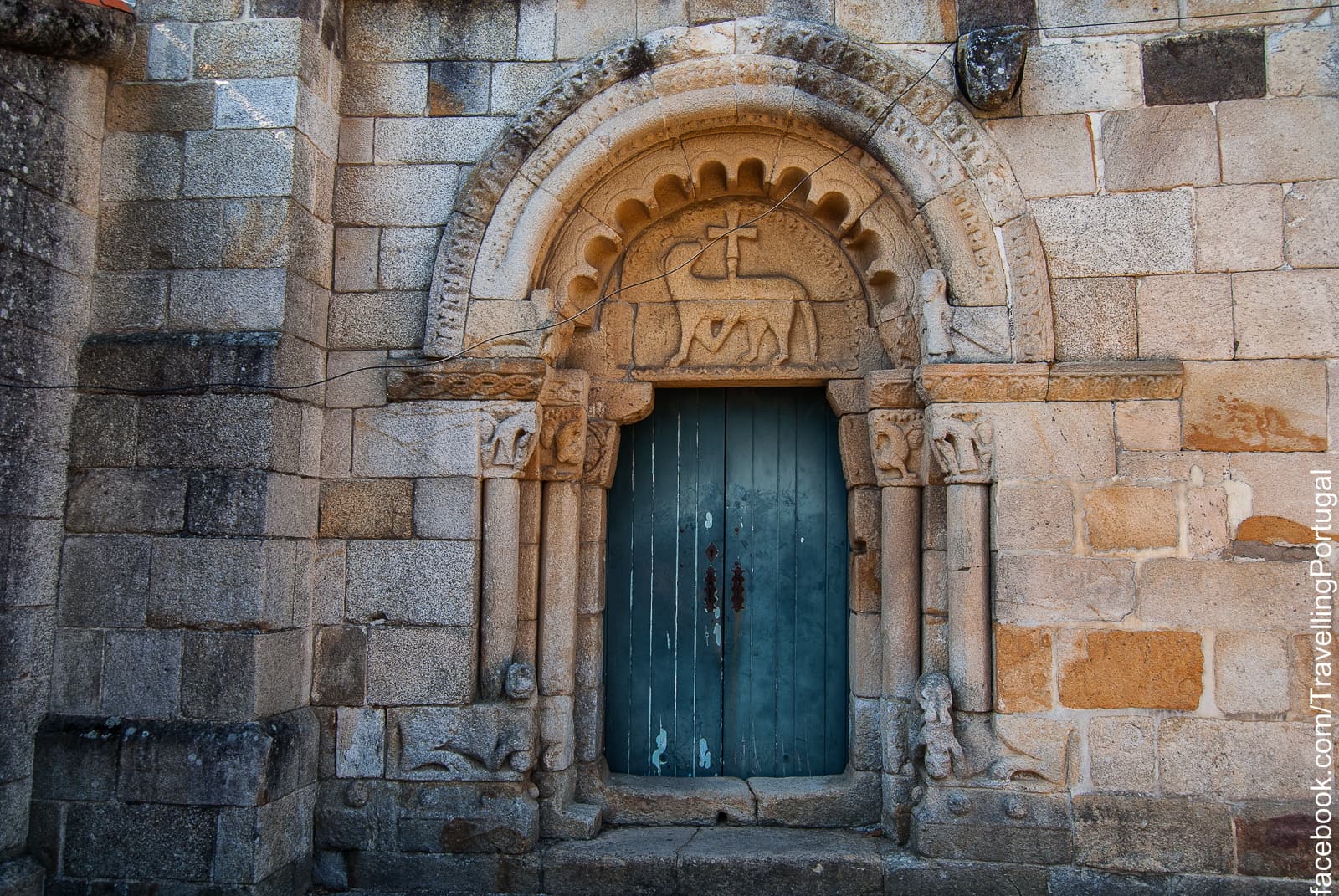
The most celebrated element of the ensemble is the axial portal of the main façade, organised in five round-headed archivolts, richly decorated and resting on columns with historiated and vegetal capitals. The tympanum and the capitals bring together some of the most significant sculptural examples of the national Romanesque, with geometric, phytomorphic and figurative repertoires. The façade is further pierced by a rose window that lights the central nave.
Visiting and context
The church forms part of the routes for the promotion of the medieval heritage of the North and can be set within itineraries such as the Route of the Romanesque, which links a vast group of churches, monasteries and bridges of the region between the valleys of the Douro, Tâmega and Sousa. Beside the church, the municipality of Póvoa de Varzim maintains interpretation facilities that help to contextualise the history of the place, the tradition of São Pedro de Rates and the significance of this monument within the panorama of the Portuguese Romanesque.
Frequently asked questions
- Where is the Church of São Pedro de Rates located?
- It stands in the parish of São Pedro de Rates, in the municipality of Póvoa de Varzim, district of Porto, in the Baixo Minho.
- Why is the Church of São Pedro de Rates important?
- It is one of the most remarkable monuments of Portuguese Romanesque art, linked to the Order of Cluny and to the tradition of São Pedro de Rates as the first bishop of Braga. It has been classified as a National Monument since 1910.
- From what period does the present church date?
- The building results mainly from the campaigns of the twelfth and thirteenth centuries, over the remains of older occupations of Roman and Suevic-Visigothic date.
Sources
Keep exploring
Heritage nearby
More places to discover from here. Approximate straight-line distances, within 50 km.