Resources
National Museum Machado de Castro
National Museum Machado de Castro in Coimbra: Portuguese sculpture, former Episcopal Palace and the Roman cryptoporticus of Aeminium.
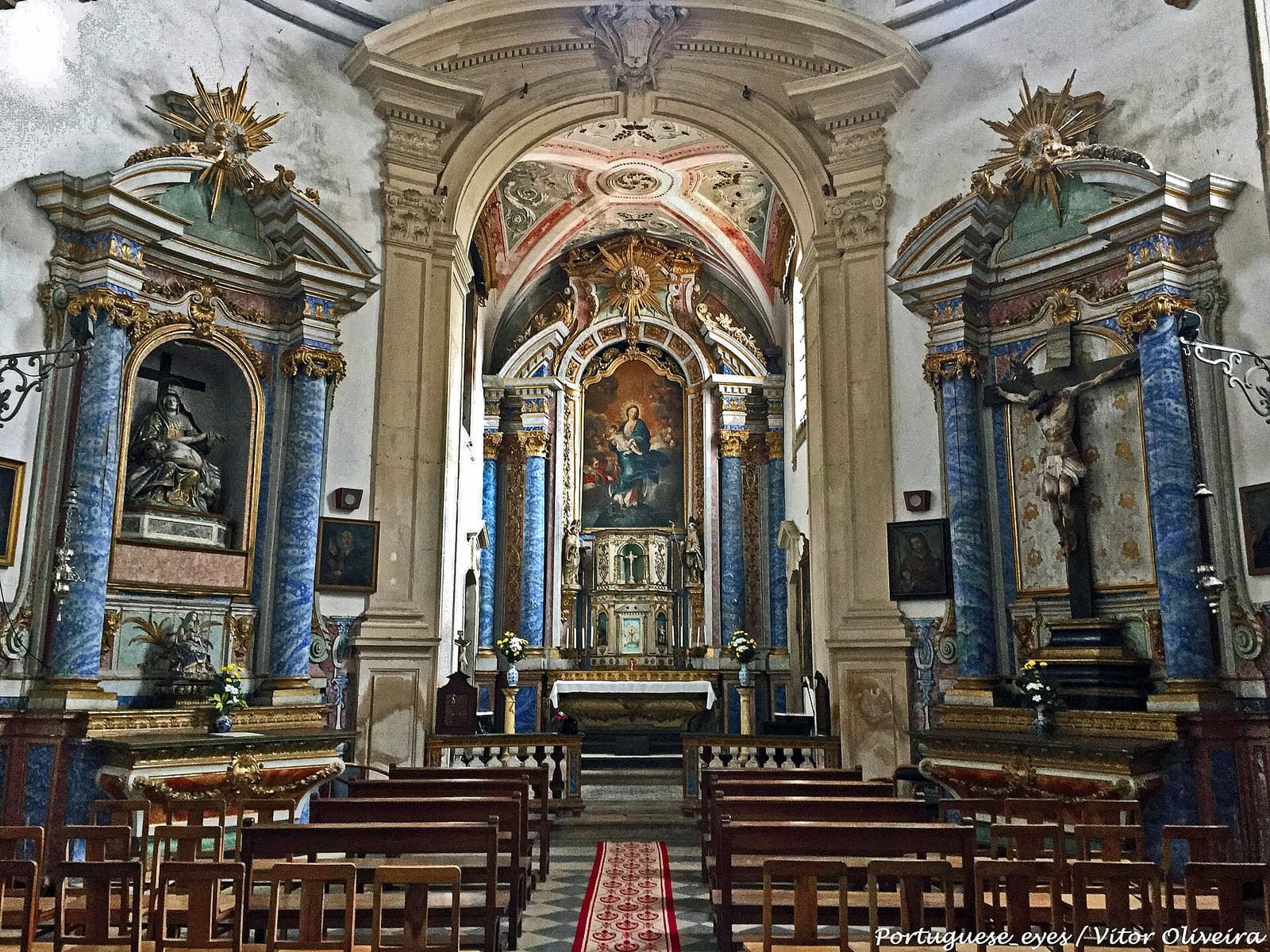
- Location
- Coimbra, Coimbra
- Built
- 1911 (fundação); 1913 (abertura)
- Style
- Antigo Paço Episcopal (medieval a barroco) com ampliação contemporânea
The National Museum Machado de Castro is one of Portugal’s most important museum institutions and Coimbra’s principal museum. Housed in the city’s former Episcopal Palace, it brings together a remarkable collection of sculpture, goldsmithery, painting and decorative arts, while preserving in its foundations the most imposing Roman vestige conserved in Portugal: the cryptoporticus of Aeminium’s forum.
From foundation to modern institution
The museum was established by decree in 1911, following the dissolution of religious orders and nationalization of ecclesiastical assets that marked the First Republic, and opened to the public in October 1913. It was named after Joaquim Machado de Castro (1731-1822), a sculptor born in Coimbra and leading figure of 18th-century Portuguese sculpture, creator of the equestrian statue of D. José I in Lisbon’s Terreiro do Paço.
The building itself is a historical document. The Episcopal Palace was constructed progressively since the Middle Ages, with successive campaigns giving it Gothic, Renaissance and Baroque features, organized around a courtyard with a loggia overlooking the lower city and the Mondego River. Its location on the hill where the Old Cathedral of Coimbra also stands confirms this site’s central role in the city’s religious and civic history.
The cryptoporticus of Aeminium
Beneath the museum extends the cryptoporticus, a two-story vaulted gallery built in the mid-1st century to create an artificial platform supporting the forum of Aeminium — the political, religious and administrative center of Roman Coimbra. This ingenious structure leveled the uneven terrain of the hillside, offering today a unique underground passage between massive Roman walls.
The cryptoporticus is neither a crypt nor an accessory ruin: it is the literal foundation of the museum, proof that contemporary Coimbra stands, stone upon stone, atop the Roman city.
Roman presence in the region is well documented at other nearby sites, particularly in the city of Conimbriga, whose findings are preserved at the National Museum of Conimbriga, a complementary institution for understanding the Roman past of Lower Mondego.
The collection and contemporary expansion
The collection stands out particularly for its Portuguese sculpture, spanning from Romanesque to Baroque, with masterpieces in stone, wood and clay that make this the country’s most significant collection of its kind — an essential chapter in the history of Portuguese sculpture. Alongside these, it gathers sacred goldsmithery, textiles, furniture, ceramics and painting, including high-quality 15th-century panels.
Between 2004 and 2012, the museum underwent extensive renovation, designed by architect Gonçalo Byrne, which added a new building complex integrated with the historic spaces and the cryptoporticus. The project earned the Piranesi Prize / Prix de Rome in 2014 and became a reference for the integration of contemporary architecture with heritage. Today, the museum is part of the Portuguese Museum Network and stands as one of the university city’s essential cultural landmarks, a short distance from the Monastery of Santa Cruz in Coimbra, pantheon of Portugal’s first kings.
Frequently asked questions
- Why is it called Machado de Castro Museum?
- The museum pays tribute to the Coimbra-born sculptor Joaquim Machado de Castro (1731-1822), one of the greatest figures of 18th-century Portuguese sculpture, creator of the equestrian statue of D. José I in Lisbon.
- What is the cryptoporticus of Aeminium?
- It is a Roman underground gallery, built in the mid-1st century to level and support the forum of the city of Aeminium (Roman Coimbra). It is the most monumental Roman structure preserved in Portuguese territory.
- Where is the museum located?
- It occupies the former Episcopal Palace of Coimbra, in the upper part of the city, near the Old Cathedral, atop the foundations of the Roman forum.
Sources
Keep exploring
Heritage nearby
More places to discover from here. Approximate straight-line distances, within 50 km.
Resources for research
Find the sources. Follow the story.
Guides to researching buildings, exploring museum collections and understanding heritage protection.
SIPA
Get to know the architectural inventory, building records and documentary archive.
Read the guideMuseum collectionsMatrizNet
Explore the museum catalogue and records of works, materials, authorship and provenance.
Read the guideHeritage protectionHeritage classification
Understand cultural property categories and the levels of national, public and municipal interest.
Read the guide