Monuments
Santa Cruz Monastery (Coimbra)
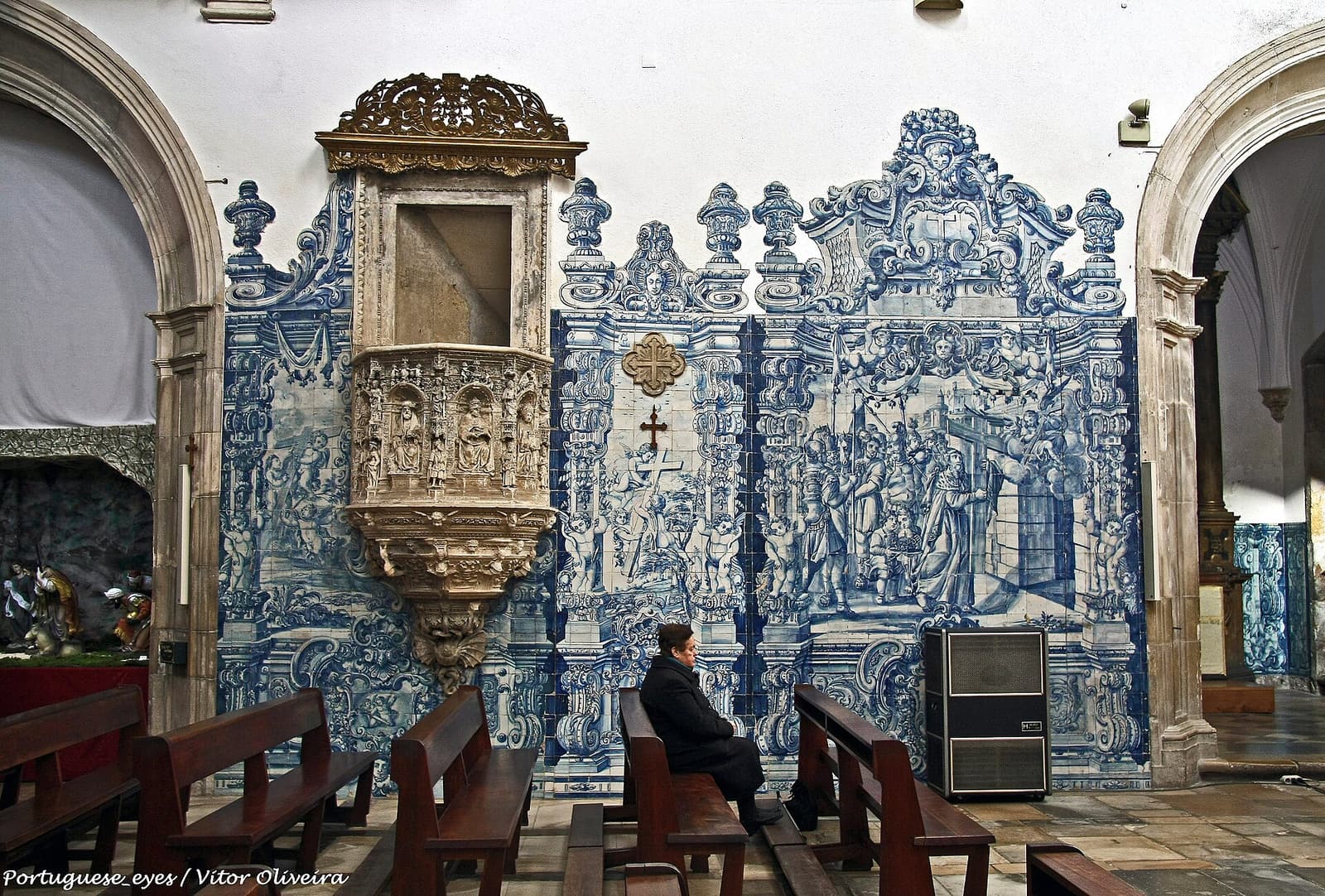
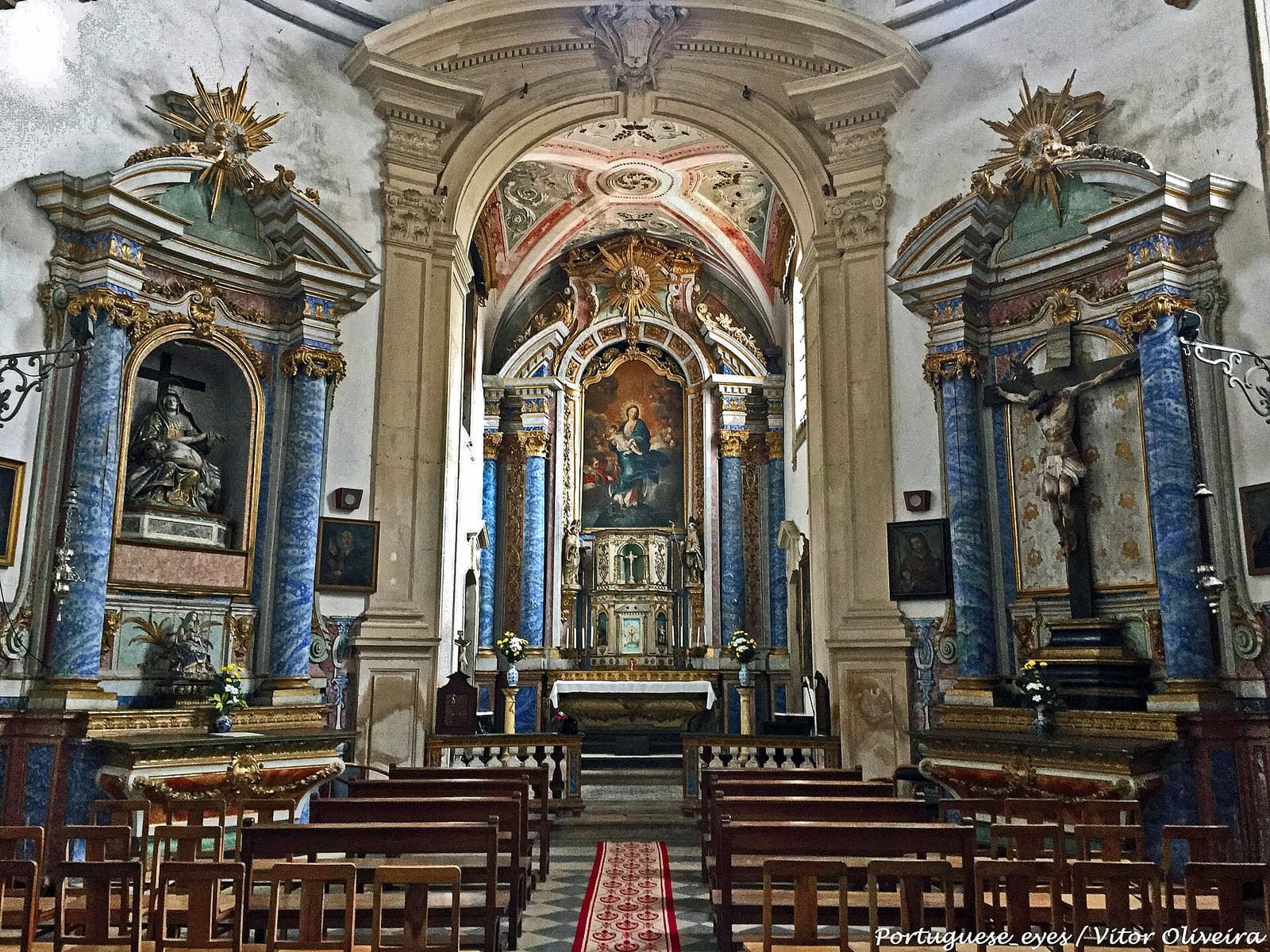
The Santa Cruz Monastery in Coimbra, motherhouse of the Canons Regular of St. Augustine and pantheon of Portugal's first two kings.
- Location
- Coimbra, Coimbra
- Built
- 1131; reconstruído a partir de 1507
- Style
- Românico e Manuelino
In the heart of Coimbra, on the site of ancient royal baths, stands the Santa Cruz Monastery - one of Portugal’s oldest and most influential religious houses. Founded in 1131, it became the motherhouse of the Canons Regular of St. Augustine in the kingdom and quickly emerged as a center of culture, writing, and power linked to the nation’s birth.
Foundation and early years
The monastery began with a small group of canons adopting the Rule of St. Augustine, led by Saint Theotonius - considered Portugal’s first saint - as first prior. Construction of the original Romanesque building progressed through the 12th and early 13th centuries under master builder Roberto. The monastery benefited from direct support by Afonso Henriques, then still in a Coimbra near the Islamic frontier along the Mondego River.
More than a prayer space, Santa Cruz was an intellectual hub: it housed a scriptorium and school that trained members of the young kingdom’s literate elite, maintaining constant dialogue with the neighboring Sé Velha de Coimbra.
Few places encapsulate Portugal’s origins so completely: here rest the founding kings, in the same space where much of the kingdom’s medieval culture was written.
The Manueline reforms
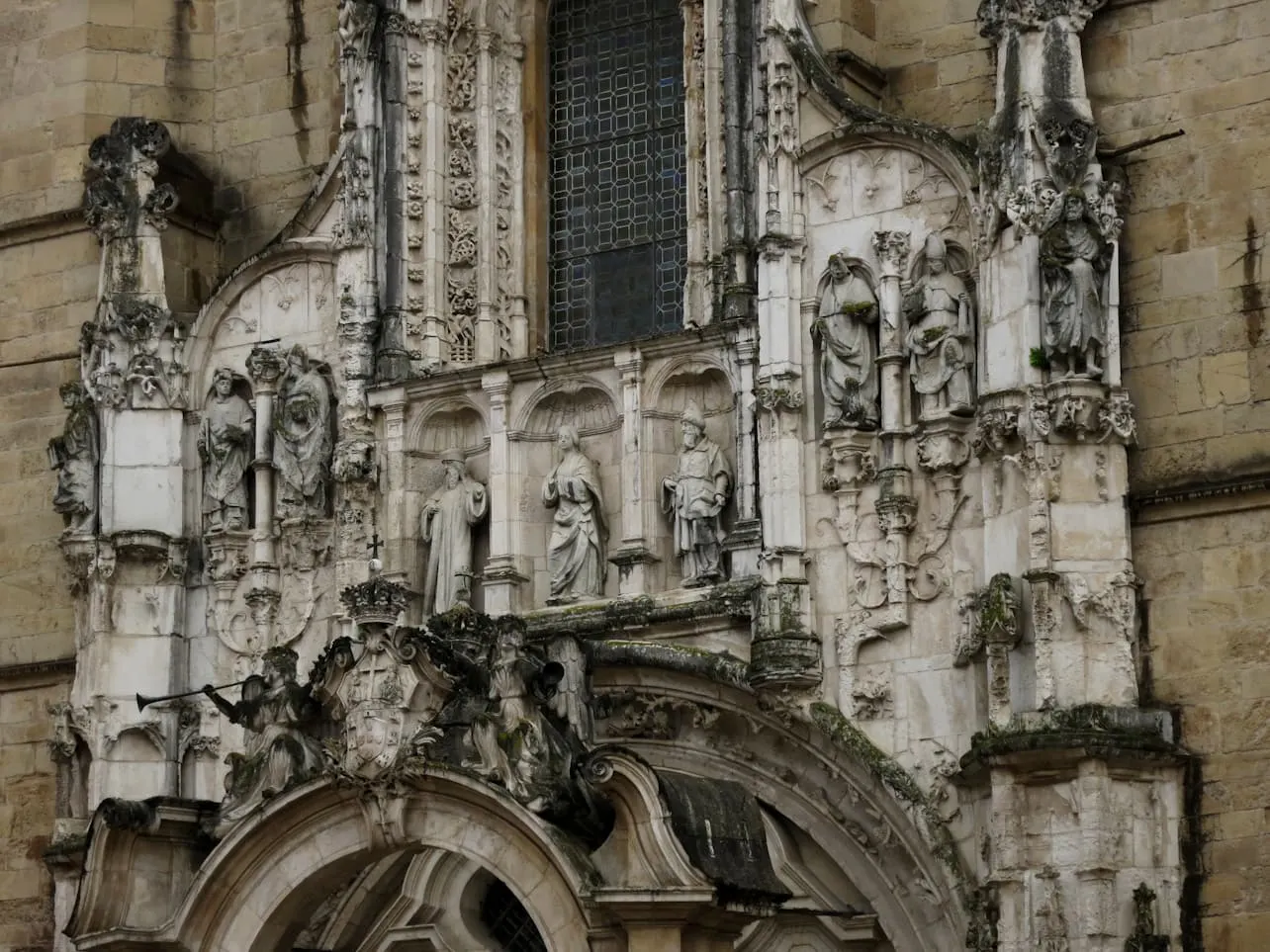
The monastery’s current appearance largely stems from major renovations ordered by King Manuel I starting in 1507. The king commissioned reconstruction and redecorating of the church and monastic quarters in exuberant Manueline style, with ribbed vaults and a redesigned portal.
This period also saw the remains of Afonso Henriques and Sancho I transferred to monumental new tombs in the chancel, definitively establishing Santa Cruz as the pantheon of Portugal’s first kings. The project employed leading artists of the time, including sculptor Nicolau Chanterene, creator of the Renaissance pulpit and part of the sculptural decoration.
An exceptional artistic ensemble
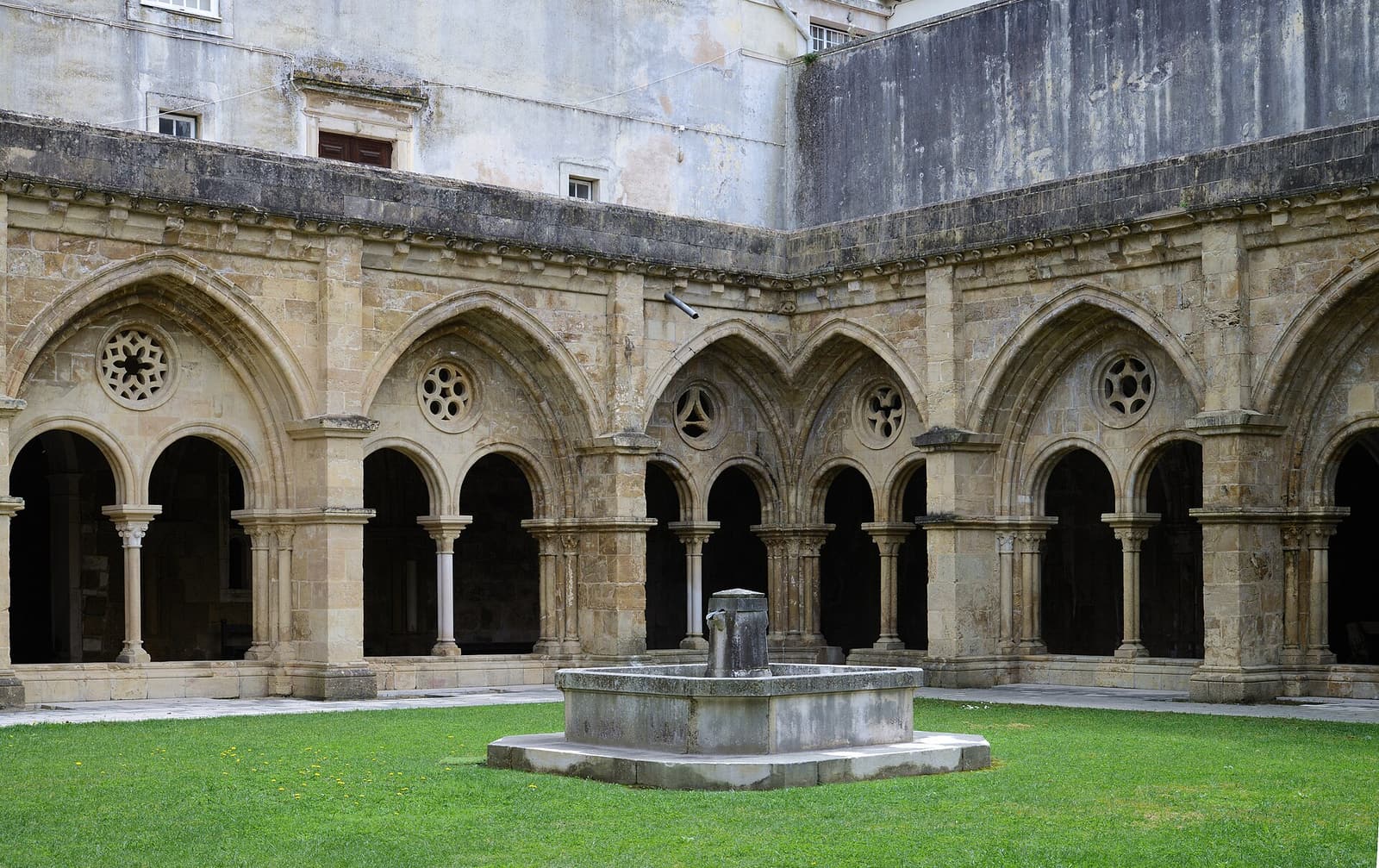
Beyond the royal tombs, the monastery preserves remarkable choir stalls, a Mannerist sacristy with 16th-century paintings, and the famous Cloister of Silence. Nearby stands the Cloister of Manga with its Renaissance fountain, testament to the era’s decorative ambition. The Baroque organ and sumptuous facade complete a journey through centuries of Portuguese artistic history.
Due to its importance, Santa Cruz Monastery has been classified as a National Monument since 1910 and forms part of Portugal’s essential monastery route, alongside institutions like Alcobaça Monastery. Visiting this complex means traversing Portugal’s very birth, within the broader context of Coimbra’s historical heritage.
Frequently asked questions
- Which kings are buried at Santa Cruz Monastery?
- Portugal's first two kings are buried here: Afonso Henriques and his son Sancho I, in Manueline tombs placed in the chancel during renovations ordered by King Manuel I.
- Who founded Santa Cruz Monastery?
- Founded in 1131 by a group of canons who adopted the Rule of St. Augustine, including Saint Theotonius (first prior of the house), with support from Afonso Henriques.
- Is Santa Cruz Monastery a National Pantheon?
- Yes. As the burial site of Portugal's first two kings, the monastery holds National Pantheon status, officially recognized in 2003.
Sources
Keep exploring
Heritage nearby
More places to discover from here. Approximate straight-line distances, within 50 km.