Places
Porto
Porto, a city in northern Portugal: the UNESCO-listed historic center, the Cathedral, Ribeira district, Luiz I Bridge, and the Port Wine cellars in Gaia.
- Location
- Porto, Porto
Porto is Portugal’s second-largest city and the main urban center of the country’s north. It stretches along the right bank of the Douro estuary, an amphitheater of steep slopes where narrow streets, tall narrow-fronted houses, and tiled facades descend to the river. More than a collection of isolated monuments, Porto is a city-landscape: its identity emerges from the interplay of granite houses, water, and Atlantic light.
The name dates to antiquity. On the site of today’s Sé Hill stood the settlement of Portus Cale, with Roman and pre-Roman origins, which would eventually give Portugal its name. From this nucleus, repopulated and fortified in the Early Middle Ages, emerged the county that birthed the kingdom.
The historic center and Ribeira
The city’s heart is a medieval urban fabric largely surviving 19th-century modernization. The Porto Cathedral, a 12th-century fortified Romanesque cathedral with Gothic cloister and Baroque additions, occupies the highest and founding point of the old town. Surrounding streets lead down to Ribeira, the ancient riverside quarter with its vertical houses and arcades—now the city’s most recognizable face.
This ensemble, along with the Luiz I Bridge and Serra do Pilar Monastery in Gaia, has been a UNESCO World Heritage Site since 1996. The designation honors the continuity of a living urban landscape built over two millennia, marked by styles from Romanesque to Baroque and 19th-century ironwork.
The Luiz I Bridge, inaugurated in 1886, translates Porto’s industrial ambition into iron: its two stacked decks link both banks, stitching the historic city to Gaia’s riverside front.
Baroque, commerce, and azulejos
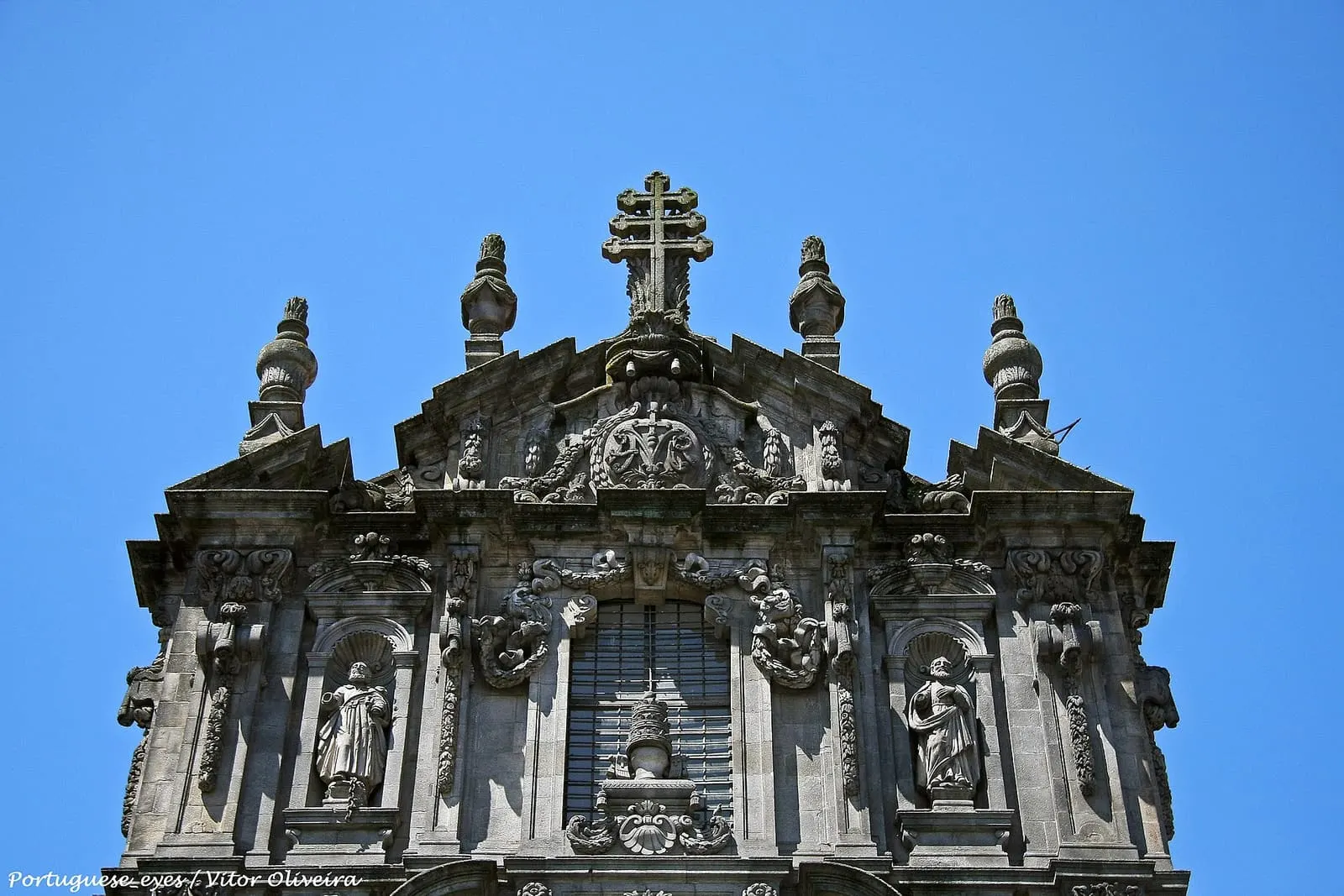
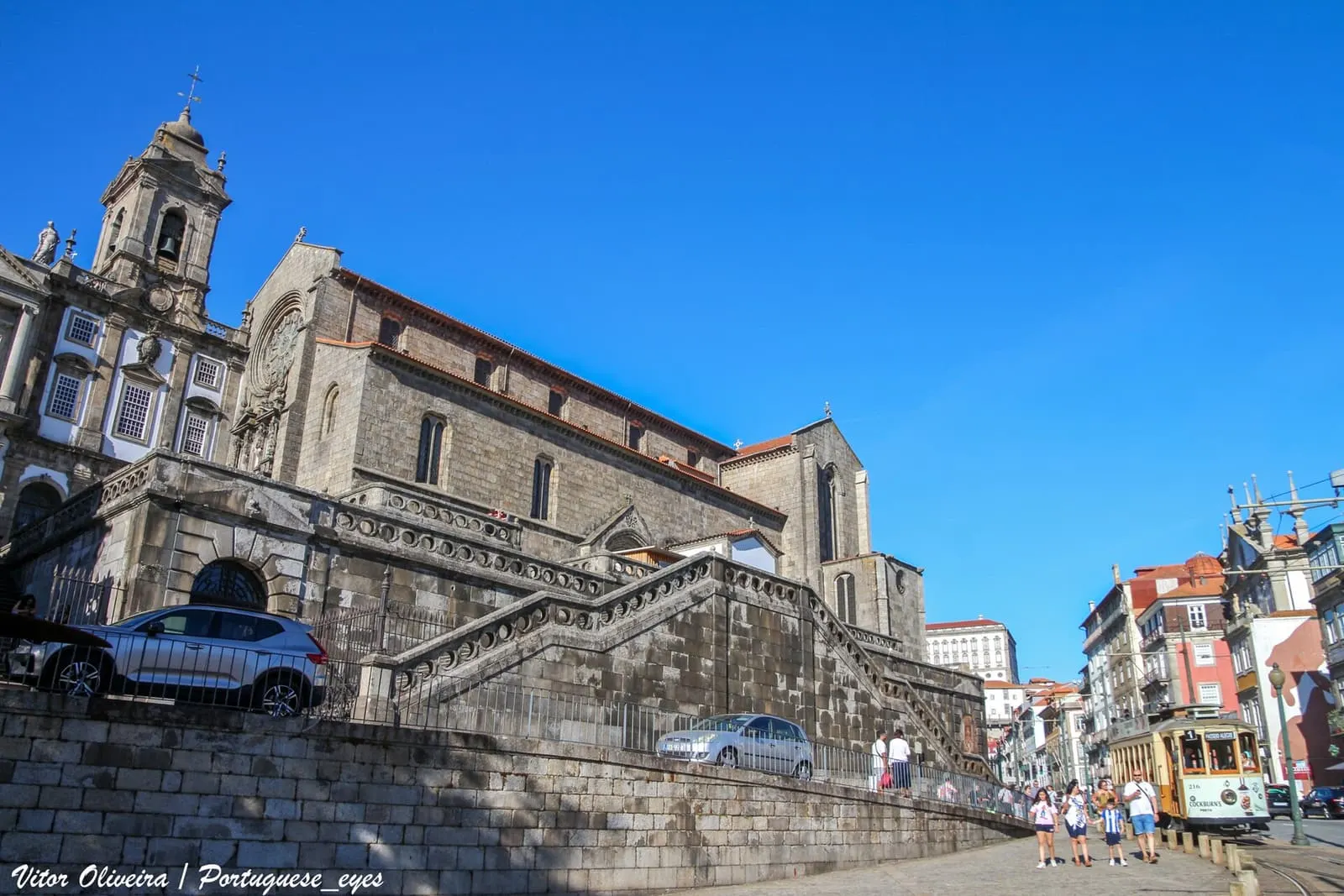
The 18th century left Porto some of its most remarkable works. The Church of São Francisco, Gothic in structure but lined inside with uniquely exuberant gilded woodwork, is a prime example of Portuguese Joanine and Rococo Baroque. The city’s mercantile vigor is also etched in architecture: the Stock Exchange Palace, headquarters of the former Commercial Association, rose in the 19th century on a Franciscan convent site, culminating in the famed Arab Room—a manifesto of bourgeois eclecticism.
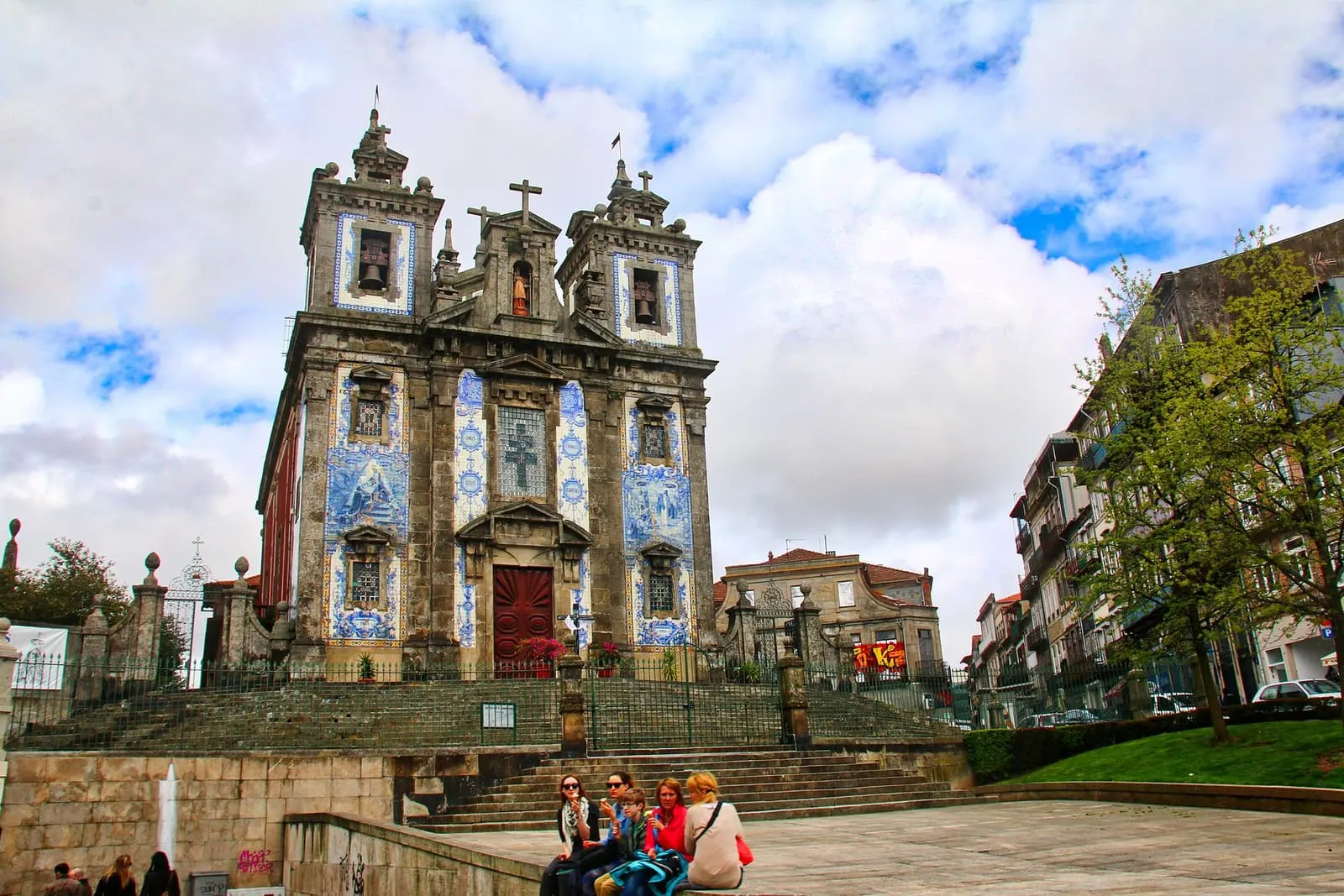
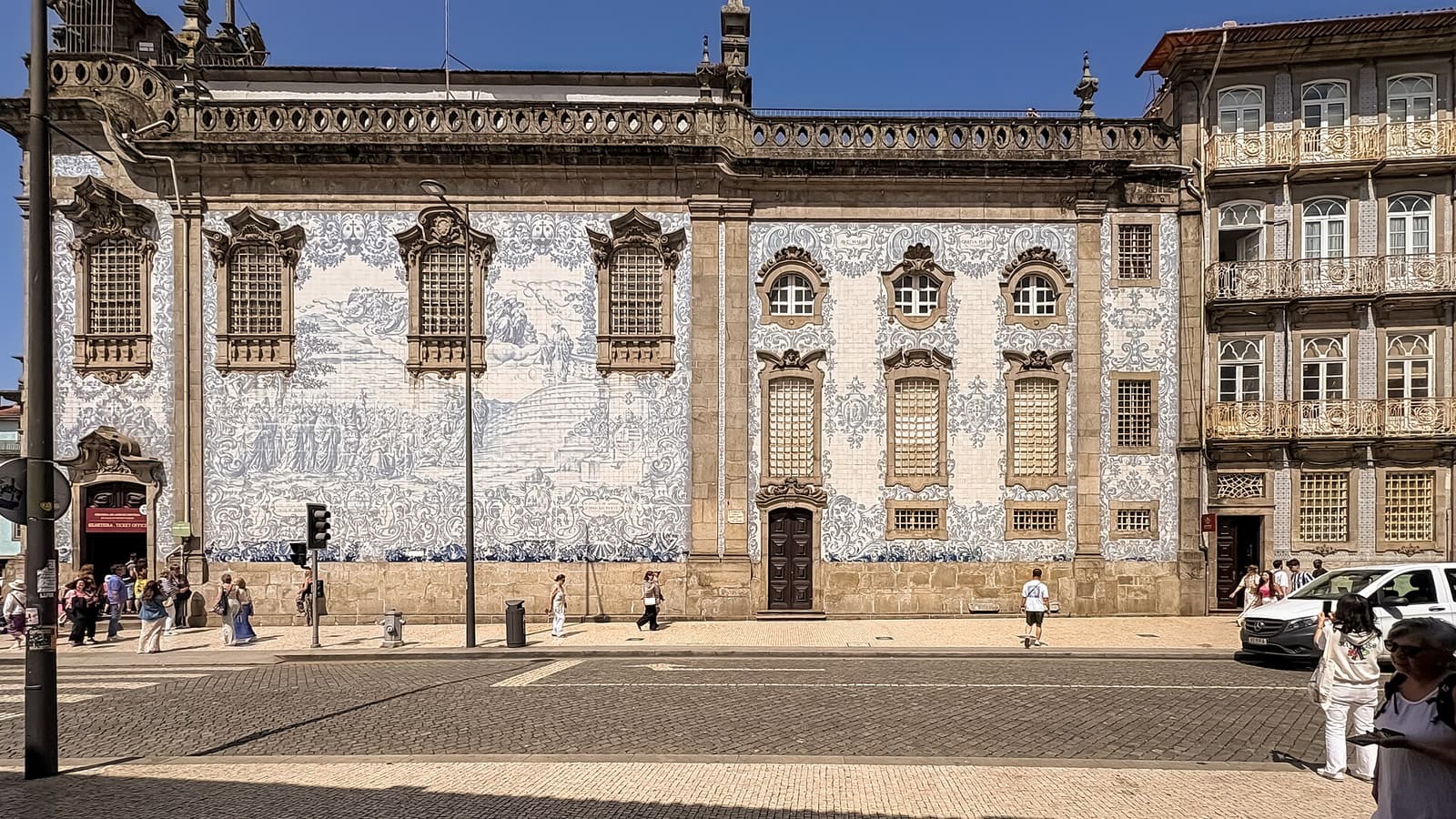
Across the city, tiled facades, churches, and stations recall a decorative tradition Porto made its own, extending into the 20th century with blue-and-white figurative panels.
The river, wine, and Atlantic
Geography explains Porto’s fortune. The Douro, ending its descent from the Alto Douro Wine Region, brought trade that made the city prosperous. For centuries, Port Wine was exported via its estuary—aged in Gaia’s south bank cellars and shipped to Northern European markets.
Downstream, houses give way to Douro’s mouth and Atlantic beaches where river meets sea. Between mountain vineyards, historic center, and ocean, Porto condenses much of northern Portugal’s history and landscape—remaining one of the country’s most visited and studied cities.
Frequently asked questions
- Why is Porto a UNESCO World Heritage Site?
- Porto's historic center was inscribed on UNESCO's list in 1996 for its exceptional urban landscape built over two millennia on the Douro river slopes, including the Luiz I Bridge and Serra do Pilar Monastery.
- What is Porto's oldest monument?
- The Cathedral (Sé), erected atop Pena Ventosa hill from the 12th century onward, is the Romanesque founding nucleus of the city and the point from which the medieval town developed.
- Where are the Port Wine cellars located?
- The aging cellars are in Vila Nova de Gaia on the Douro's south bank, opposite Ribeira, where wine was traditionally stored and exported via the river mouth.
Sources
Keep exploring
Heritage nearby
More places to discover from here. Approximate straight-line distances, within 50 km.