Typologies
Recreational Quintas
Recreational quintas: a typology of country retreats from the 17th to 19th centuries, featuring palatial houses, chapels, formal gardens, and tilework in the…
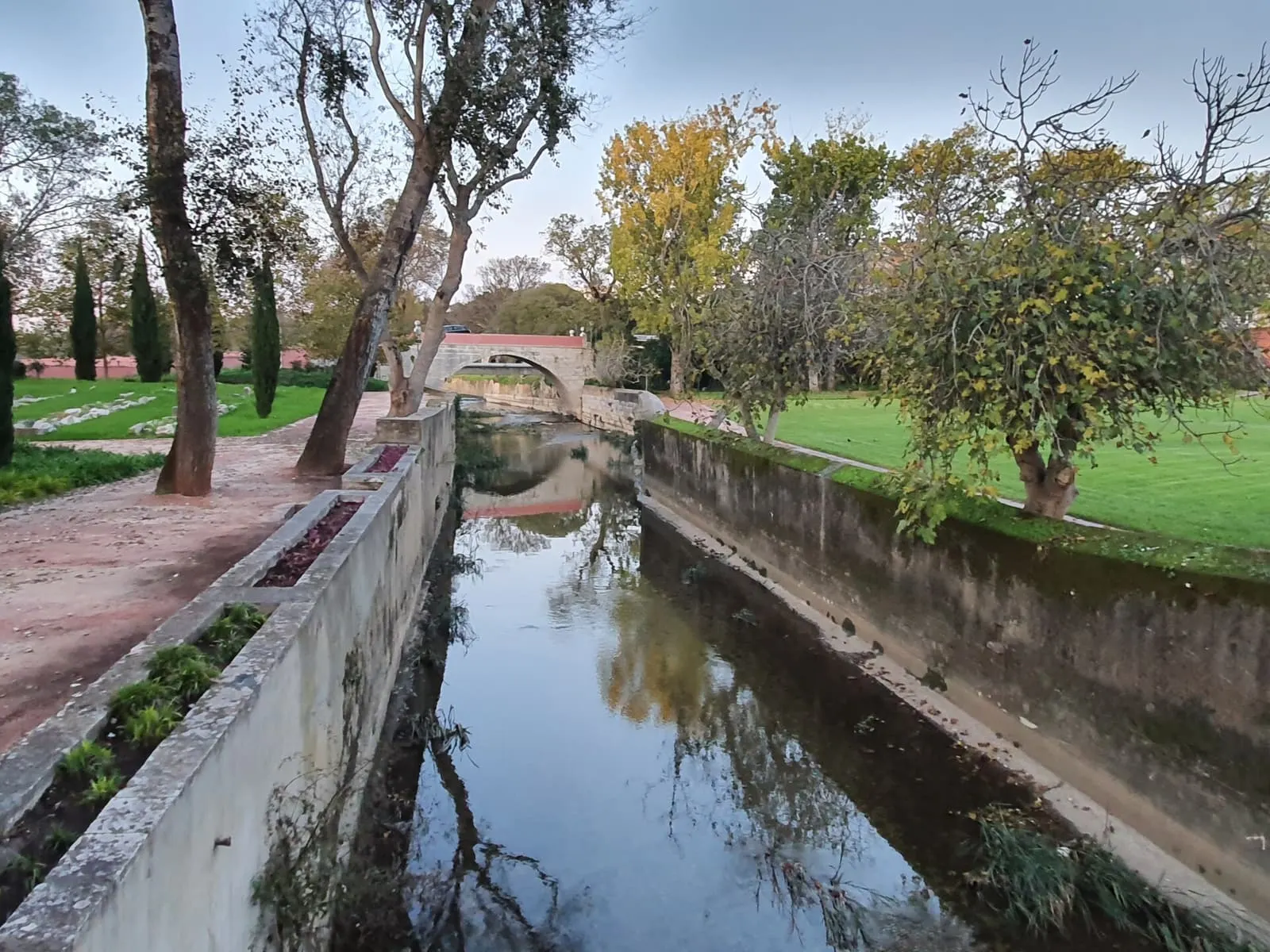
- Built
- Séculos XVII–XIX
- Style
- Barroco, rococó e neoclássico
The recreational quinta is one of the most refined typologies of Portuguese residential architecture from the Ancien Régime. Between the 17th and 19th centuries, the aristocracy and upper bourgeoisie built estates on the outskirts of cities, combining palatial houses with ornamental gardens, chapels, orchards, and woodlands. More than a rural dwelling, the recreational quinta was a place of villeggiatura—a retreat for pleasure and display, distant from courtly life yet dependent on it.
Villeggiatura and Territory
The concept of the recreational quinta stems from the practice of villeggiatura: the custom of spending seasons outside the city, seeking healthy air, sociability, and landscape enjoyment. In Portugal, this culture took root particularly around Lisbon—Loures, Oeiras, the riverside of the Tagus—and, incomparably, in Sintra, whose humid mountains and romantic atmosphere attracted noble families and later foreign travelers.
The choice of location followed precise criteria. Proximity to the court ensured a quick return to political and social life; fertile land guaranteed some economic autonomy with vineyards, orchards, and vegetable gardens; and water sources enabled ponds, lakes, and water features in the gardens. Thus, the quinta combined, within a single walled enclosure, a ceremonial residence, agricultural production, and landscaped scenery.
House, Chapel, and Garden
The architectural program revolved around three core elements. The palatial house, often U-shaped, was sober on the exterior and magnificent inside; frequently attached to it, usually on the eastern wing, was a chapel for public functions, whose placement sometimes dictated the formal layout of the entire house—a phenomenon especially pronounced in Northern Portugal.
The garden was the quinta’s true stage. It was structured along a longitudinal axis from the house, unfolding into parallel and transverse paths along the walls, punctuated by stone basins, fountains, statuary, and staircases. Tilework (azulejos), applied to walls, benches, ponds, and galleries, was the quintessential decorative element: the Palace of the Marquises of Fronteira in Lisbon preserves the most remarkable ensemble of 17th-century garden tiles still in their original location, while Quinta dos Azulejos in Lumiar showcases the 18th-century zenith of outdoor azulejos.
The recreational quinta does not separate architecture from landscape: house, chapel, water, and garden form a single organism, designed to be traversed as much as inhabited.
From Baroque to Romanticism
The typology evolved through various styles. Seventeenth- and eighteenth-century quintas display Baroque and Rococo grammar, with geometric gardens inspired by Italian and French designs. In the 19th century, Romantic tastes transformed the genre: formal gardens gave way to picturesque parks with winding layouts and exotic vegetation, and houses adopted revivalist repertoires. The Quinta da Regaleira in Sintra is the extreme example of this shift, where landscape enjoyment is imbued with esoteric symbolism.
As a typology, the recreational quinta closely relates to manor houses and noble residences and is part of the broader evolution of Baroque architecture in Portugal. Today, many of these estates survive as visitable monuments, public parks, or tourism units, testifying to a unique way of living between city and countryside—and turning leisure into a total work of art.
Frequently asked questions
- What distinguishes a recreational quinta from an agricultural quinta?
- The recreational quinta subordinates productive functions to leisure and country retreats. Although many maintained orchards, vineyards, and vegetable gardens for self-sufficiency, their primary purpose was to offer noble or wealthy families a retreat outside the city, organized around a palatial house, ornamental gardens, and scenic pathways.
- Why are so many recreational quintas concentrated around Lisbon and Sintra?
- Proximity to the court and capital, combined with fertile land, abundant water, and good road and river access via the Tagus, made the outskirts of Lisbon, Loures, Oeiras, and especially Sintra the preferred locations for aristocratic retreats between the 17th and 19th centuries.
- What role did the chapel play in the recreational quinta?
- The private chapel, often attached to the house in one of its wings, ensured worship for the family and the quinta's rural community. Its presence sometimes influenced the very layout of the noble house, particularly in Northern Portugal, and was integral to the estate's ceremonial program.