Places
Almourol and Vila Nova da Barquinha
Vila Nova da Barquinha and the Castle of Almourol, a Templar fortress on an island in the Tagus River, in the Médio Tejo region, Santarém district: history…
- Location
- Vila Nova da Barquinha, Santarém
Vila Nova da Barquinha is a small municipality in the Santarém district, on the right bank of the Tagus River, within the Médio Tejo sub-region. Covering around fifty square kilometres, it is one of the country’s smallest territories, and much of its identity is tied to the river itself: its name refers to the ferry that for centuries connected both banks before modern bridges were built. Established as a municipality in 1836, after separating from the former Atalaia municipality, it now comprises the parishes of Atalaia, Praia do Ribatejo, Tancos, and its seat, Vila Nova da Barquinha.
The island and the castle
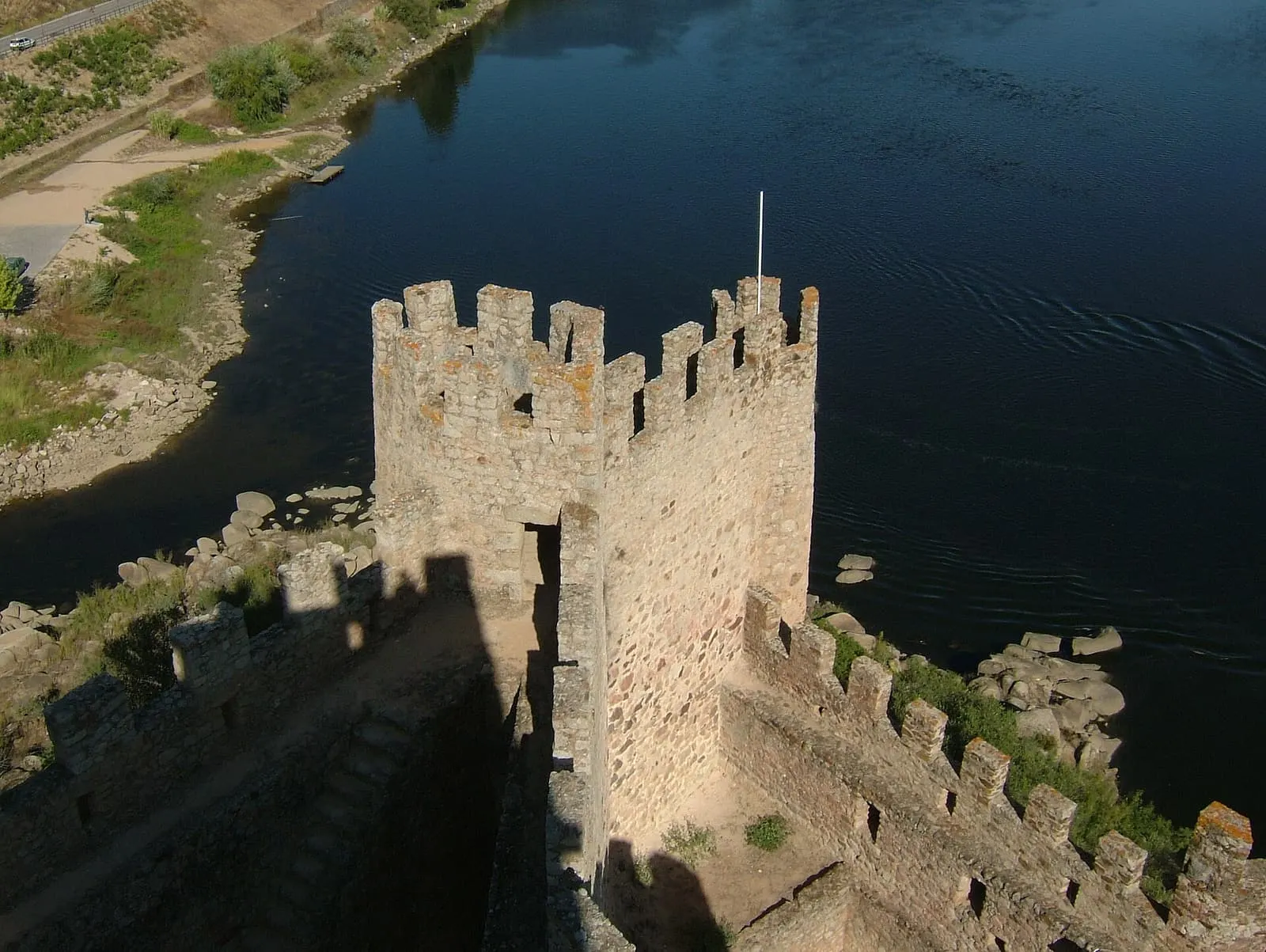
The municipality’s landmark stands just a few kilometres from the town, on a granite outcrop rising from the Tagus riverbed just below its confluence with the Zêzere. There, on a narrow, elongated island, stands the Castle of Almourol, one of the most recognisable symbols of Portugal’s medieval heritage. The fortress was rebuilt by the Knights Templar in the 12th century as part of the Tagus defence line after the Christian reconquest, and its isolated silhouette, surrounded by water and nearly inaccessible, has made it a recurring setting for legends, romances, and romantic engravings.
Few Portuguese monuments owe so much to their landscape: separated from the banks by a stretch of river, Almourol is less a fortress than a staged representation of one, an idea of a castle suspended amid the waters.
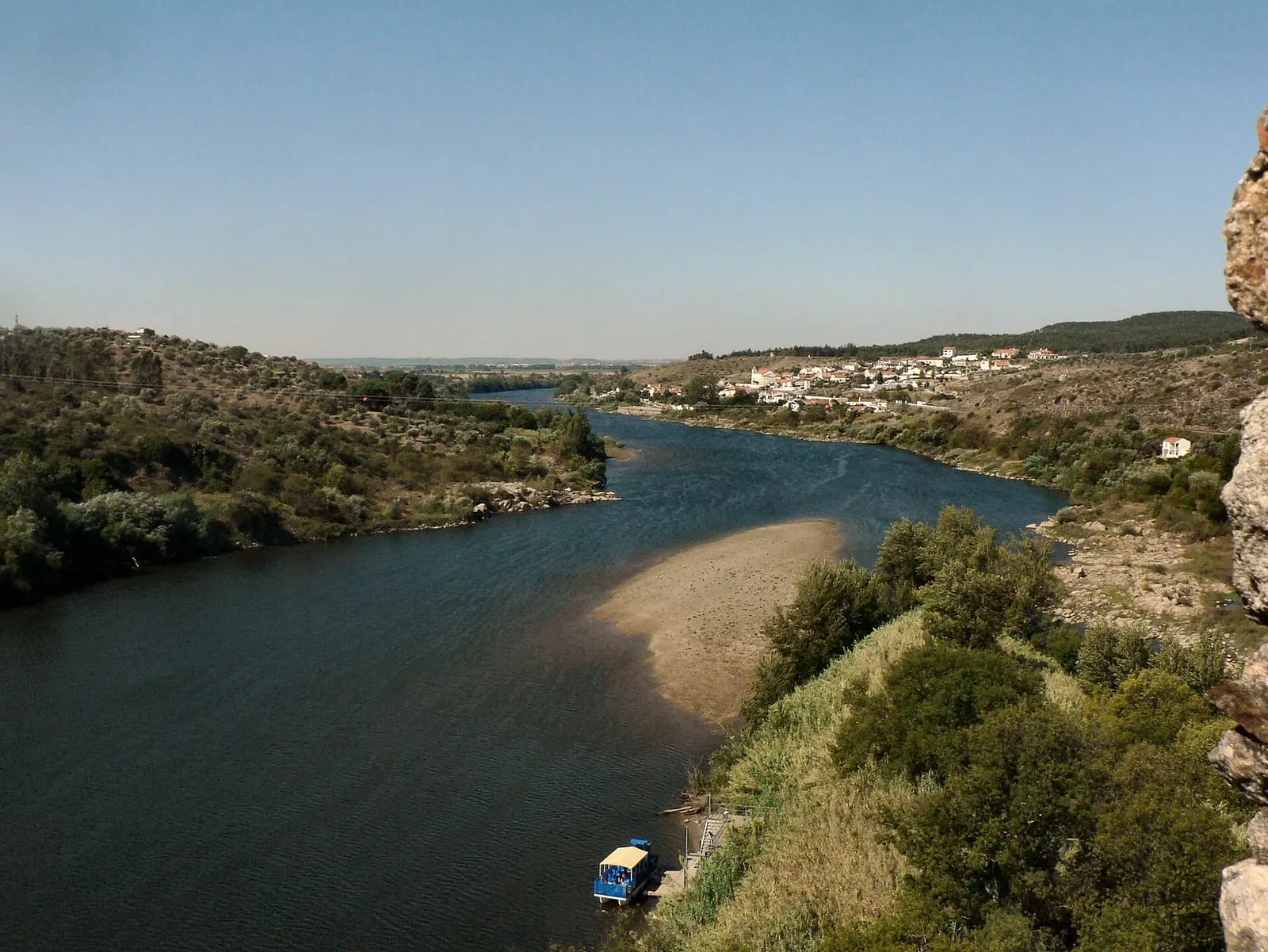
Access to the island is exclusively by boat, departing from the riverbanks near Tancos and Praia do Ribatejo. This crossing, dependent on river flow and conditions, is part of the visitor experience and helps explain why the castle escaped the urban interventions that transformed other fortresses into populated centres.
Tancos and the Tagus line
The municipality’s connection to the river extends to Tancos, an ancient river port and historic embarkation point, now primarily associated with military presence and aviation. Over the centuries, this stretch of the Médio Tejo was shaped by the river’s navigability and the defence of the inland frontier, forming a system of fortified points stretching from Abrantes to the river mouth. Almourol was part of this network, guarding the river passage at a strategic point.
Opposite it, on the far bank, the town of Constância continues this series of riverside settlements that grew along the Tagus, sharing with Barquinha the same riverine vocation and the same light reflecting on the water.
Heritage and contemporary landscape
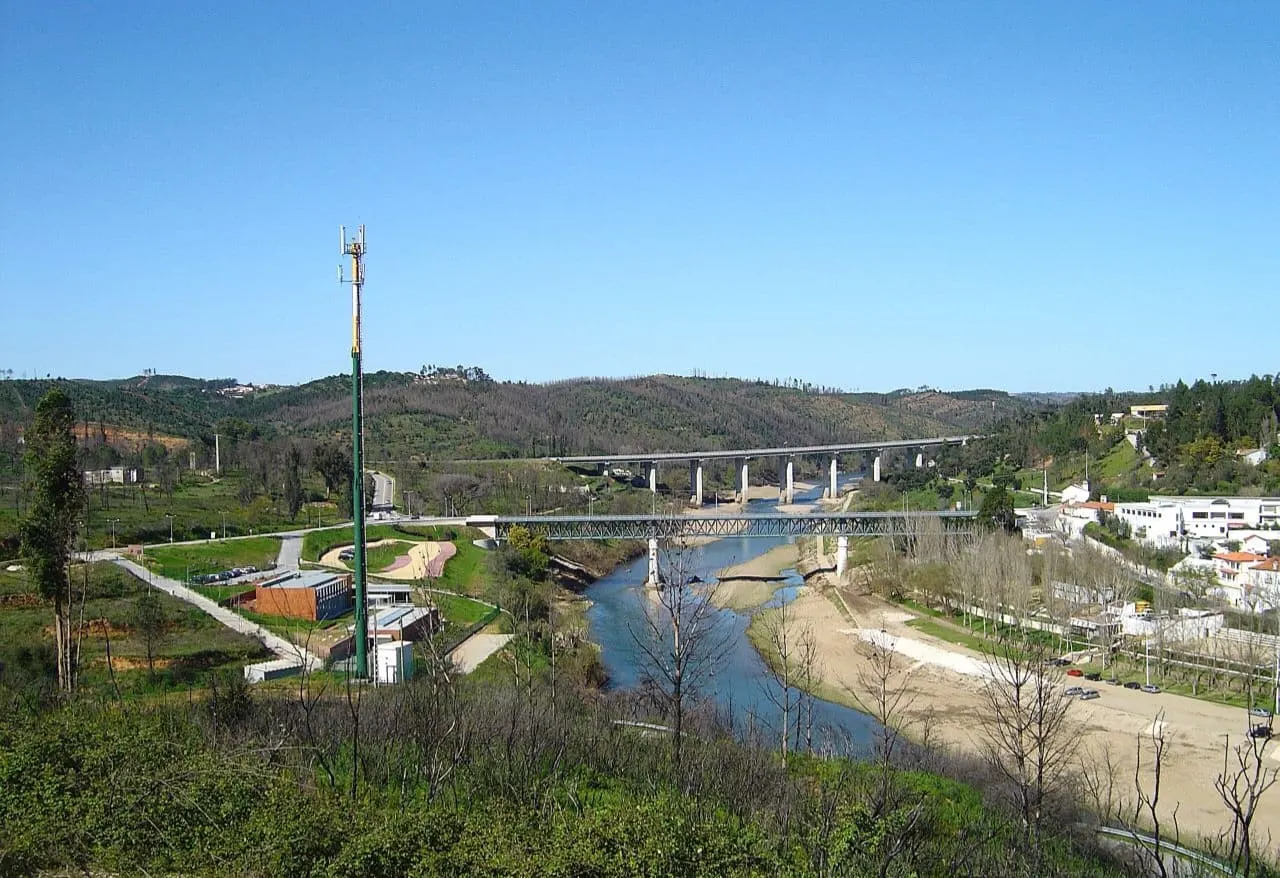
Beyond the castle, Vila Nova da Barquinha has invested in revitalising its riverfronts and cultural facilities that engage with the river, including an open-air sculpture park created in the 2000s, lining the banks with works by Portuguese artists. The territory thus positions itself as a destination for river and nature tourism, linking the Templar memories of Almourol to the monastic heritage of Tomar, just a few kilometres north.
Located in the Lisbon and Tagus Valley region, the municipality encapsulates, within a small area, much of what defines the Médio Tejo: the centrality of the river, the legacy of military orders, and a landscape where history and water remain inseparable.
Frequently asked questions
- Where is the Castle of Almourol located?
- It stands on a small granite island in the Tagus River, in the parish of Praia do Ribatejo, municipality of Vila Nova da Barquinha, Santarém district, in the Médio Tejo sub-region.
- How do you reach Almourol Island?
- Access is by boat from the Tagus riverbanks near Tancos and Praia do Ribatejo. Regular crossings are available for visitors, depending on river flow and conditions.
- Which district does Vila Nova da Barquinha belong to?
- It belongs to the Santarém district, forming part of the Médio Tejo sub-region. The municipality was established in 1836 and covers approximately 50 km² on the right bank of the Tagus.
Sources
Keep exploring
Heritage nearby
More places to discover from here. Approximate straight-line distances, within 50 km.