Places
Amarante
Amarante, a town in the district of Porto on the River Tâmega, with the bridge and the monastery of São Gonçalo at the heart of its heritage.
- Location
- Amarante, Porto
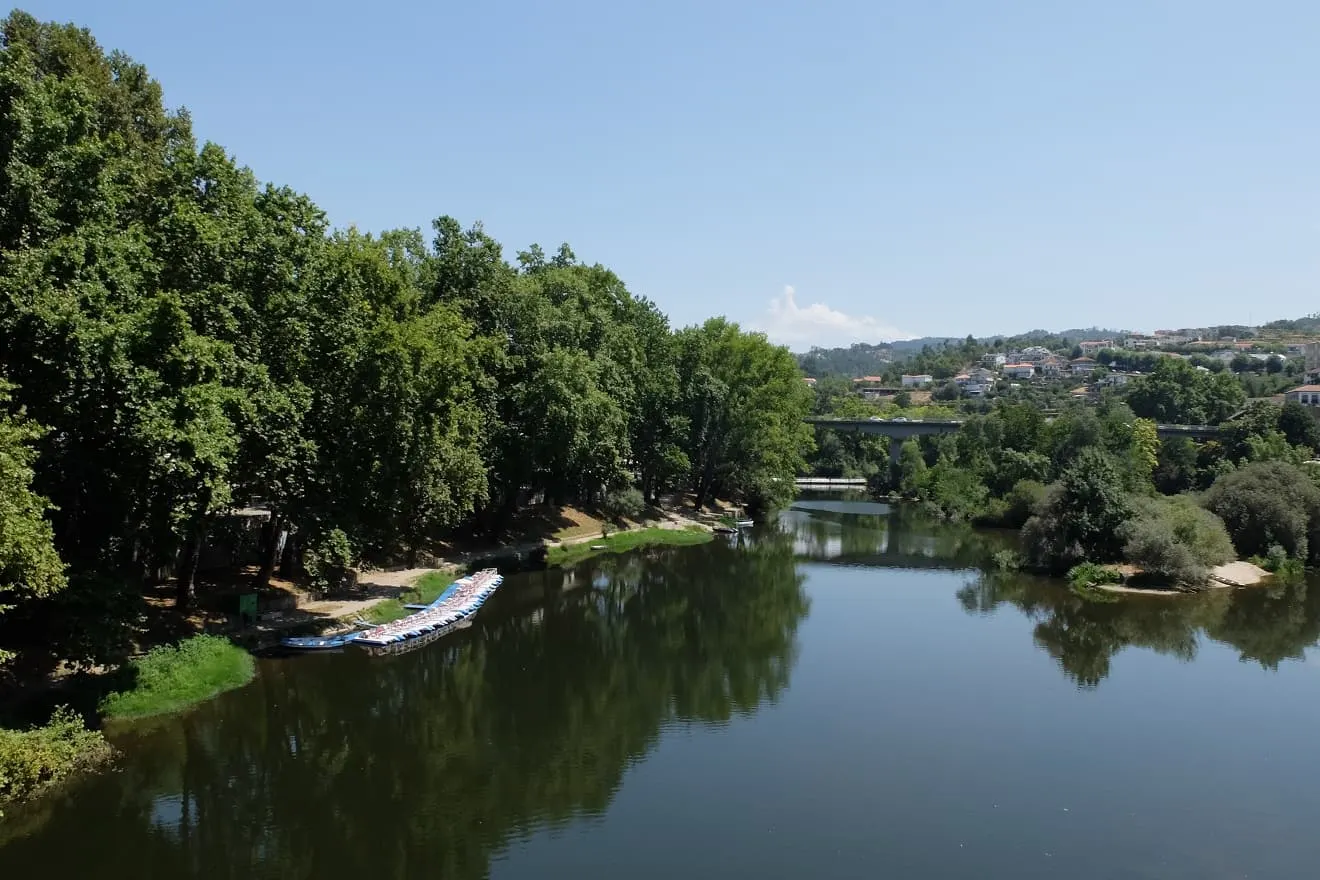
Leaning over the River Tâmega, in the district of Porto and the Tâmega e Sousa sub-region, Amarante is one of the most scenic towns in the north of Portugal. The ensemble formed by the bridge, the church and the former monastery of São Gonçalo, reflected in the calm waters of the river, has become one of the most recognisable images of northern Portugal and the calling card of a place whose heritage is inseparably bound to the figure of its patron saint.
Origin and devotion to São Gonçalo
Human presence in the region is very ancient — the nearby Serra da Aboboreira preserves prehistoric remains — but it is with São Gonçalo (c. 1187–1259) that Amarante gains historical prominence. Born in Tagilde, in the municipality of Guimarães, the future saint is said to have made pilgrimages to Rome and Jerusalem before settling as a hermit beside the Tâmega, where he devoted himself to preaching and to caring for the poor and for travellers.
Tradition attributes to him the construction or rebuilding of the first bridge over the river, paid for with alms gathered throughout the region. Around his tomb there grew a tenacious popular cult, which made São Gonçalo the matchmaker saint par excellence. To this day the June festivities, culminating in the saint’s pilgrimage, keep alive processional rituals and the famous phallic sweets of Amarante, a folkloric expression of that association with fertility and marriage.
In Amarante, devotion and landscape blend together: the town grew up literally around the tomb of a saint, and its most photographed monument is, in origin, an act of charity turned to stone.
The bridge of São Gonçalo
The original bridge, of medieval design, collapsed on 10 February 1763, swept away by an exceptional flood of the Tâmega. The structure that crosses the river today is the result of the reconstruction begun in 1782, to a design by the architect Carlos Amarante, and completed around 1790. Late Baroque in character, with three arches and two towers crowned by obelisks above the piers on each bank, the bridge has been classified as a National Monument since 1910.
Beyond its architectural value, the bridge is a place of national memory: in 1809, during the French Invasions, the people of Amarante and the Portuguese forces resisted here for weeks against the advance of Marshal Soult’s troops, an episode the monument still evokes.
Church and monastery of São Gonçalo
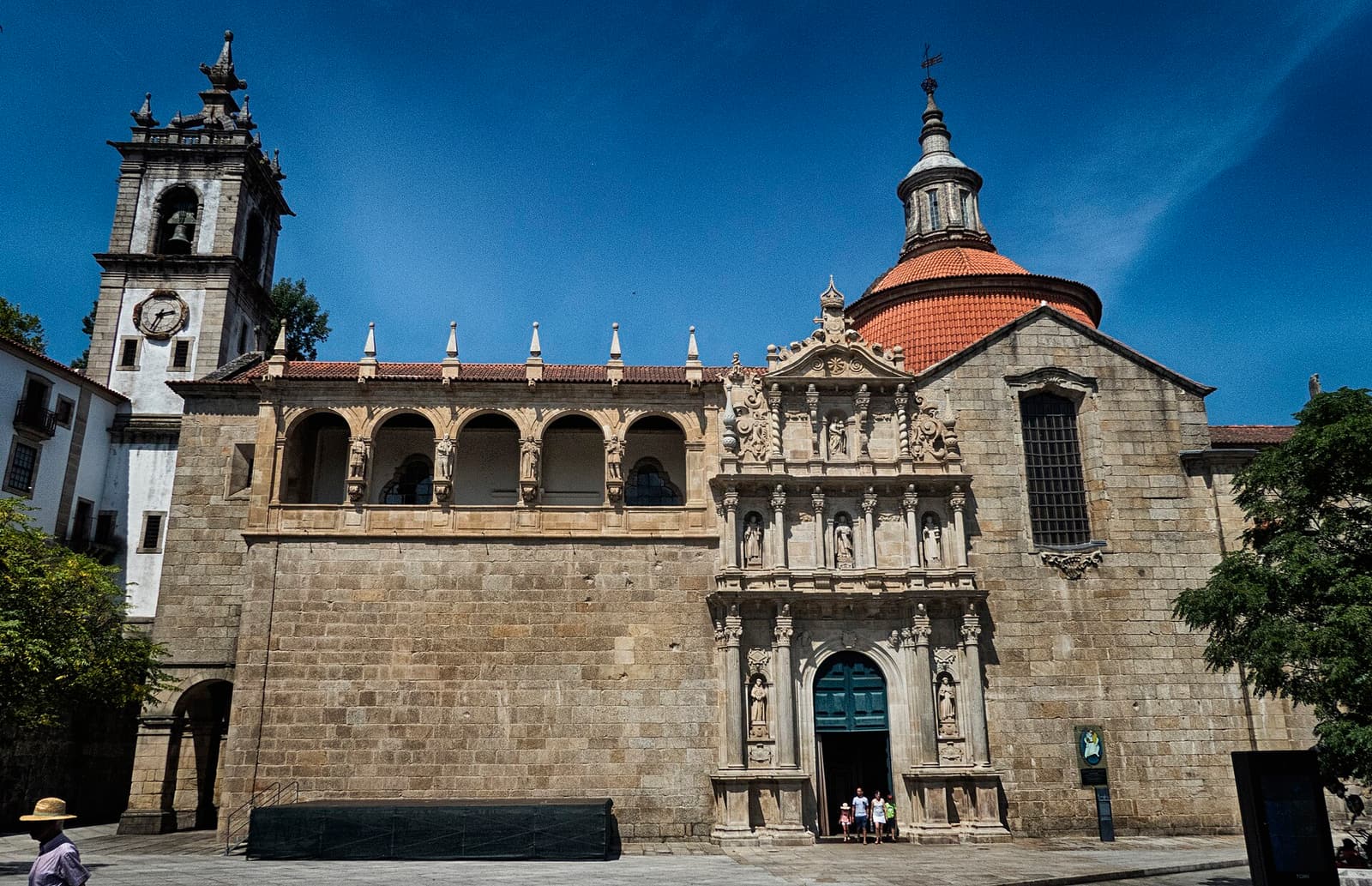
In the sixteenth century, King João III ordered the building, over the chapel where tradition places the life and burial of the saint, of the great monastic complex of São Gonçalo. The work continued for more than a century, combining Renaissance, Mannerist and Baroque elements, and culminated in the imposing façade and the Balcony of the Kings, with the statues of the monarchs who protected the building. The interior holds the tomb of the saint, the object of a centuries-old devotion, as well as a notable organ and gilded woodwork.
Alongside this core, Amarante preserves other layers of heritage: the manorial houses of the seventeenth and eighteenth centuries, the Baroque church of São Domingos and the Amadeo de Souza-Cardoso Municipal Museum, housed in the former monastery and dedicated to the Amarante-born painter who was one of the pioneers of Portuguese modernism. The town also gave national culture such names as Teixeira de Pascoaes and Agustina Bessa-Luís.
Territory and traditions
The municipality stretches across granite valleys where the vine and the produce of the land shape the landscape and the cuisine. The region lies within the production area of the vinhos verdes and extends eastward towards the Marão mountains. Not far away, within the broader context of northern heritage, lie such references as the black pottery of Bisalhães, in Vila Real, and the vast winegrowing landscape of the Alto Douro, with which Amarante shares the same rural world of Trás-os-Montes and the Douro, rich in deep-rooted traditions.
Frequently asked questions
- Where is Amarante?
- Amarante is a town in the district of Porto, in the Norte region and the Tâmega e Sousa sub-region, set on the banks of the River Tâmega, about 60 km north-east of the city of Porto.
- Who was São Gonçalo of Amarante?
- São Gonçalo (c. 1187–1259) was a hermit and preacher who, according to tradition, settled in Amarante after pilgrimages to Rome and Jerusalem. He is linked to the bridge over the Tâmega and to the cult that gave rise to the monastery where he is buried.
- Is the bridge of São Gonçalo medieval?
- The present bridge is not medieval. The original bridge collapsed in a flood in 1763; the structure we see today was rebuilt to a design by Carlos Amarante, completed around 1790, and has been classified as a National Monument since 1910.
Sources
Keep exploring
Heritage nearby
More places to discover from here. Approximate straight-line distances, within 50 km.