Monuments
Bragança Castle
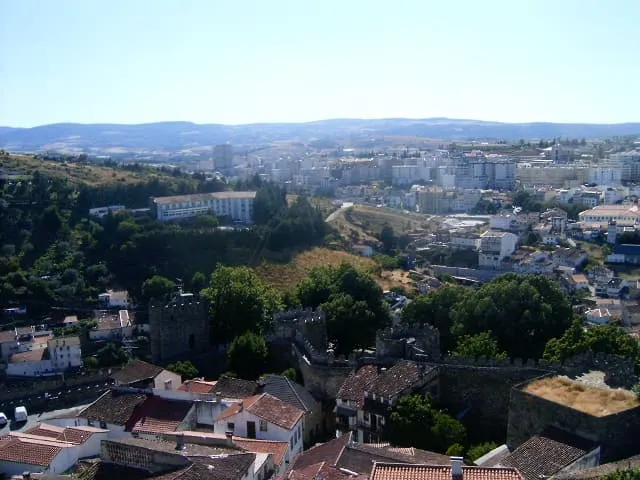
Bragança Castle and its walled medieval citadel in Trás-os-Montes, with the keep, the Domus Municipalis and the pillory.
- Location
- Bragança, Bragança
- Built
- 1187–1439
- Style
- Românico e Gótico
High on the Outeiro de Benquerença, overlooking the city of Bragança and the confluence of the Fervença and Sabor rivers, stands one of the best-preserved medieval citadels in Portugal. The fortified enclosure, covering some 3.2 hectares with walls tracing an irregular perimeter across the hill, encloses the city’s oldest urban core: a still-inhabited cluster of houses, narrow streets, the Domus Municipalis, the pillory and, dominating the whole ensemble, the imposing keep of the castle.
Origin and construction
The settlement of Bragança received its charter from King Sancho I in 1187, under which the first walled ring on the hill was raised. Later, in the reign of King Dinis at the end of the 13th century, a second defensive perimeter was built, reinforcing the enclosure that would come to form the present-day citadel. The most remarkable piece of the ensemble, the keep, was completed in the first half of the 15th century, in the context of the House of Bragança, and bears on its south façade the coat of arms associated with King João I, founder of the Avis dynasty and father of Afonso, first Duke of Bragança.
Square in plan and flanked by cylindrical turrets, the tower rises some 33 metres and contains within it a cistern, vaulted openings and a finely wrought twin pointed-arch window. Its silhouette has become a symbol of the city and accounts for its reputation as one of the most elegant keeps in Portuguese territory.
The citadel of Bragança stands out for never having been abandoned: life continues within its walls, making it a rare medieval castle that remained a town.
The Domus Municipalis and the pillory
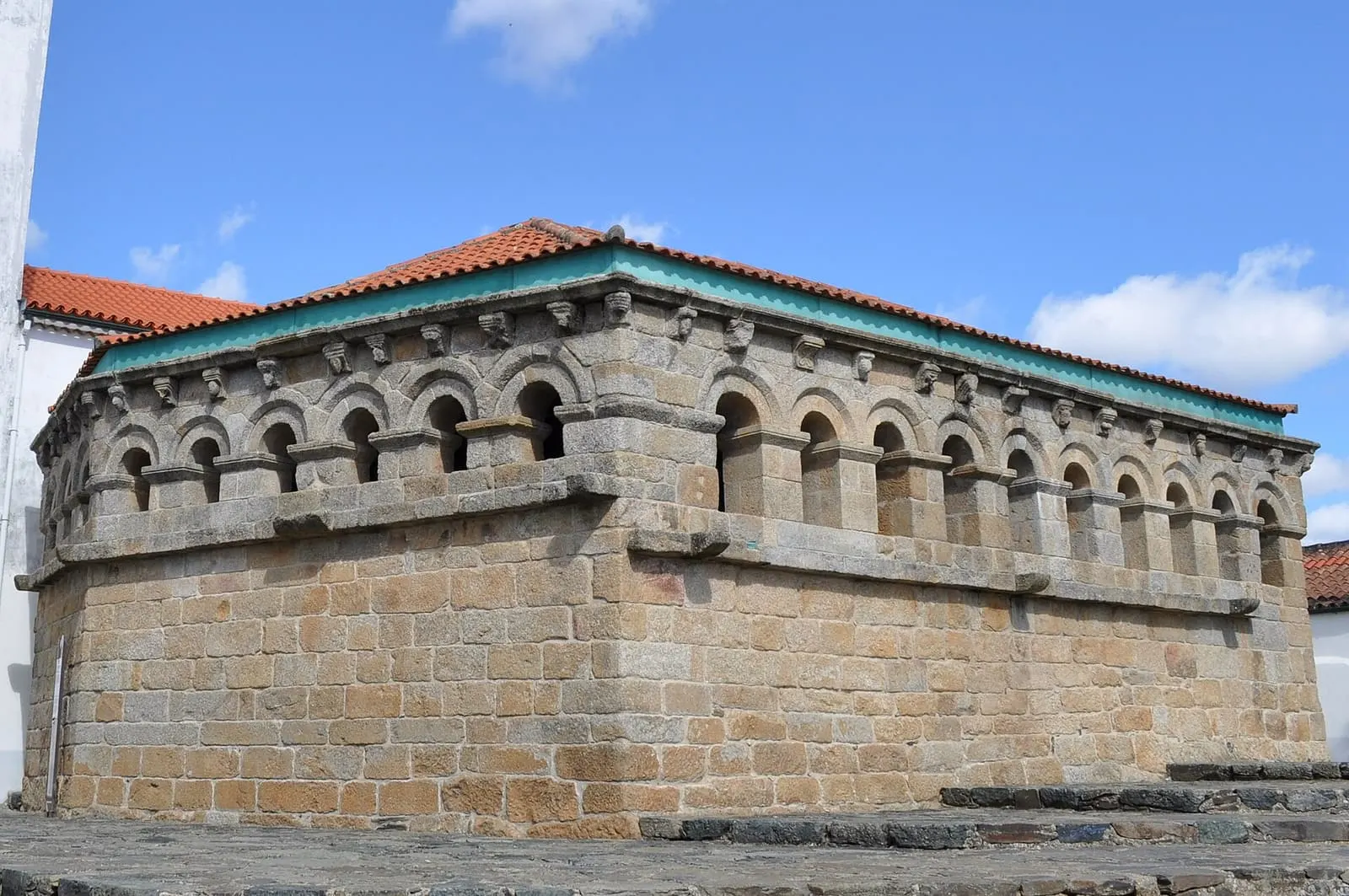
Beside the tower stands the Domus Municipalis, a pentagonal building of Romanesque character that served as the town council house and as a cistern, and which is considered a unique example of Romanesque civil architecture in the Iberian Peninsula. More recent studies place its construction at the end of the 14th century, though its origin remains a matter of debate. A few steps away rises the pillory, symbol of municipal autonomy, set upon a figure of a berrão — a zoomorphic sculpture of Castro culture tradition reused as a base, a testimony to the long occupation of the site.
The Domus Municipalis was classified as a National Monument in 1910, the same year in which the fortified ensemble received equal protection, joining the vast heritage of medieval castles that dot the country.
Significance and context
The castle and the citadel vividly illustrate the role of fortifications in consolidating the Trás-os-Montes frontier and in structuring the territory in medieval Portugal. Bragança was, moreover, the origin of the name of the most influential noble house in the kingdom: the House of Bragança, whose dukes gave Portugal its reigning dynasty from 1640 onwards. The relationship between castle, city and lineage brings Bragança close to other medieval centres of power such as Guimarães, cradle of the nation.
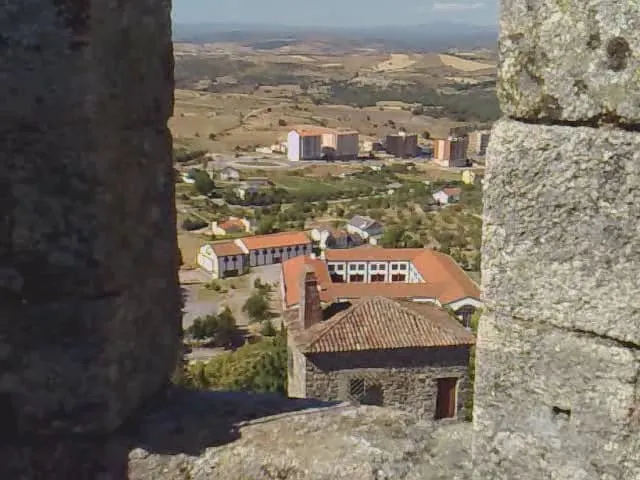
Today the keep houses the Military Museum, and the walled ensemble — restored from the 1930s onwards by the former Directorate-General for National Buildings and Monuments — invites a walk along the wall-walks, which open onto sweeping views over the Montesinho range and the Trás-os-Montes plateau.
Frequently asked questions
- Can the citadel of Bragança be visited?
- Yes. The citadel is an open urban space, with housing still occupied; the castle and the keep house the Military Museum and can be visited with a ticket.
- What is the Domus Municipalis?
- It is a Romanesque pentagonal building within the citadel, regarded as a unique example of Romanesque civil architecture in the Iberian Peninsula, classified as a National Monument in 1910.
- How tall is the keep?
- The keep stands around 33 metres tall, with a square plan flanked by cylindrical turrets, and is often singled out as one of the most beautiful in the country.
Sources
Keep exploring
Heritage nearby
More places to discover from here. Approximate straight-line distances, within 50 km.