Places
Montemor-o-Velho
Montemor-o-Velho, a town in the Coimbra district dominated by an extensive medieval castle overlooking the Mondego valley, land of rice, Tentúgal pastries and…
- Location
- Montemor-o-Velho, Coimbra
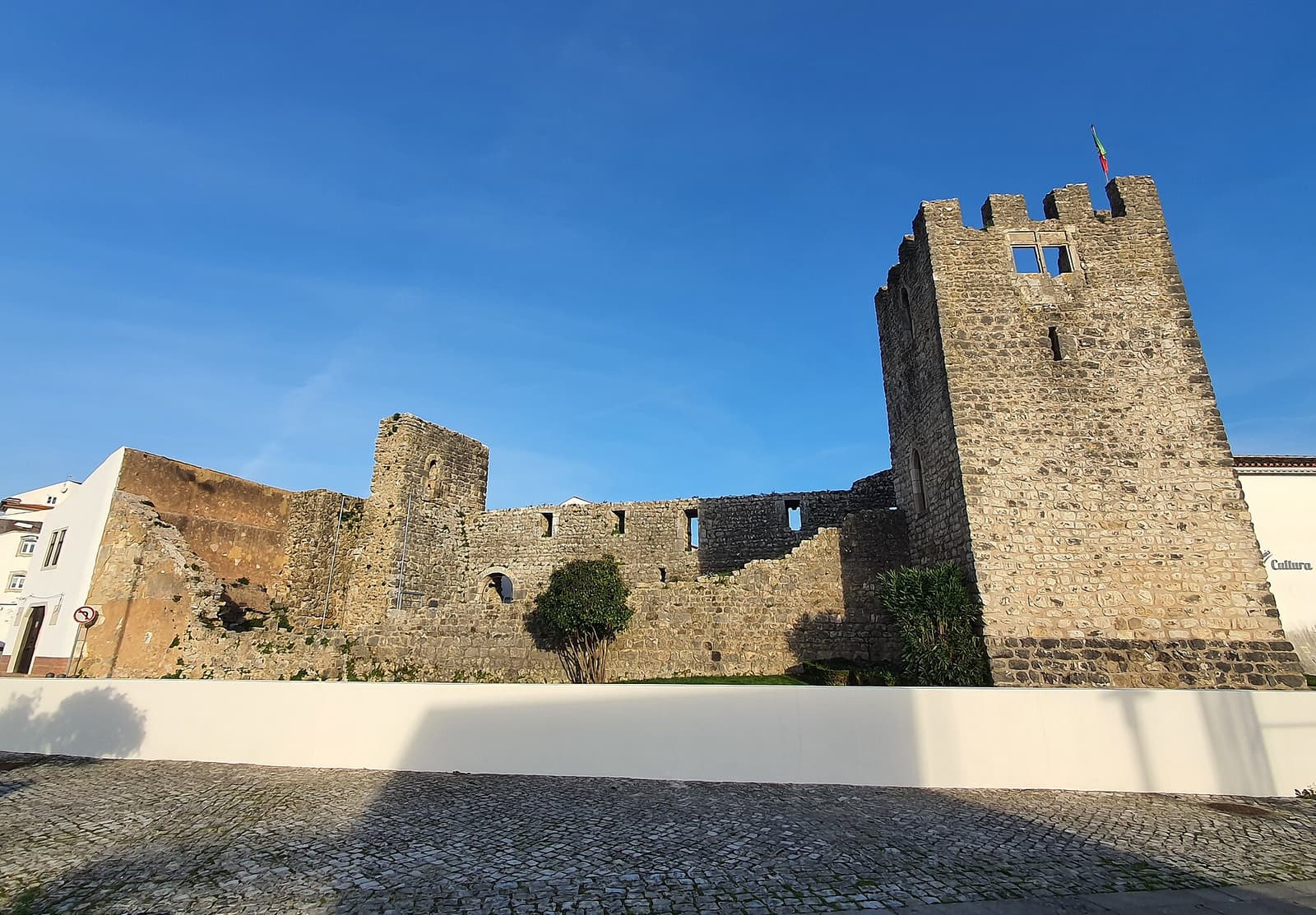
Nestled on the right bank of the Mondego River, the town of Montemor-o-Velho rises at the foot of one of Portugal’s most extensive medieval castles. The fortress’s elongated silhouette atop the hill dominating the alluvial plain has become the defining image of this land in the Coimbra district, where the military history of the Reconquista intersects with a rural landscape of rice fields and canals.
The toponym derives from the Latin Mons Maior, the greater hill, and the qualifier o-Velho distinguishes it from Montemor-o-Novo in Alentejo, founded centuries later. The municipality, with about 24,500 inhabitants, comprises eleven parishes, including Tentúgal, famous for its conventual pastries.
Mondego Frontier
Montemor-o-Velho’s position is explained by geography: near the historic mouth of the Mondego, it controlled river access to the inland Beira region and to Coimbra itself. During the centuries of the Reconquista, the river served as a shifting frontier between the Christian north and Muslim south, and the site changed hands repeatedly. In 848 it was reconquered by Ramiro I of Asturias; in 990 it fell again to the forces of Almanzor; only with the definitive capture of Coimbra in 1064 by Ferdinand the Great did it firmly enter the Christian domain, with the castle entrusted to Mozarabic count Sesnando Davides.
The line of castles along the lower Mondego — Soure, Penela, Montemor — formed the defensive cordon that secured the frontier before Portugal’s foundation, making this town an advanced sentinel of the comital territory.
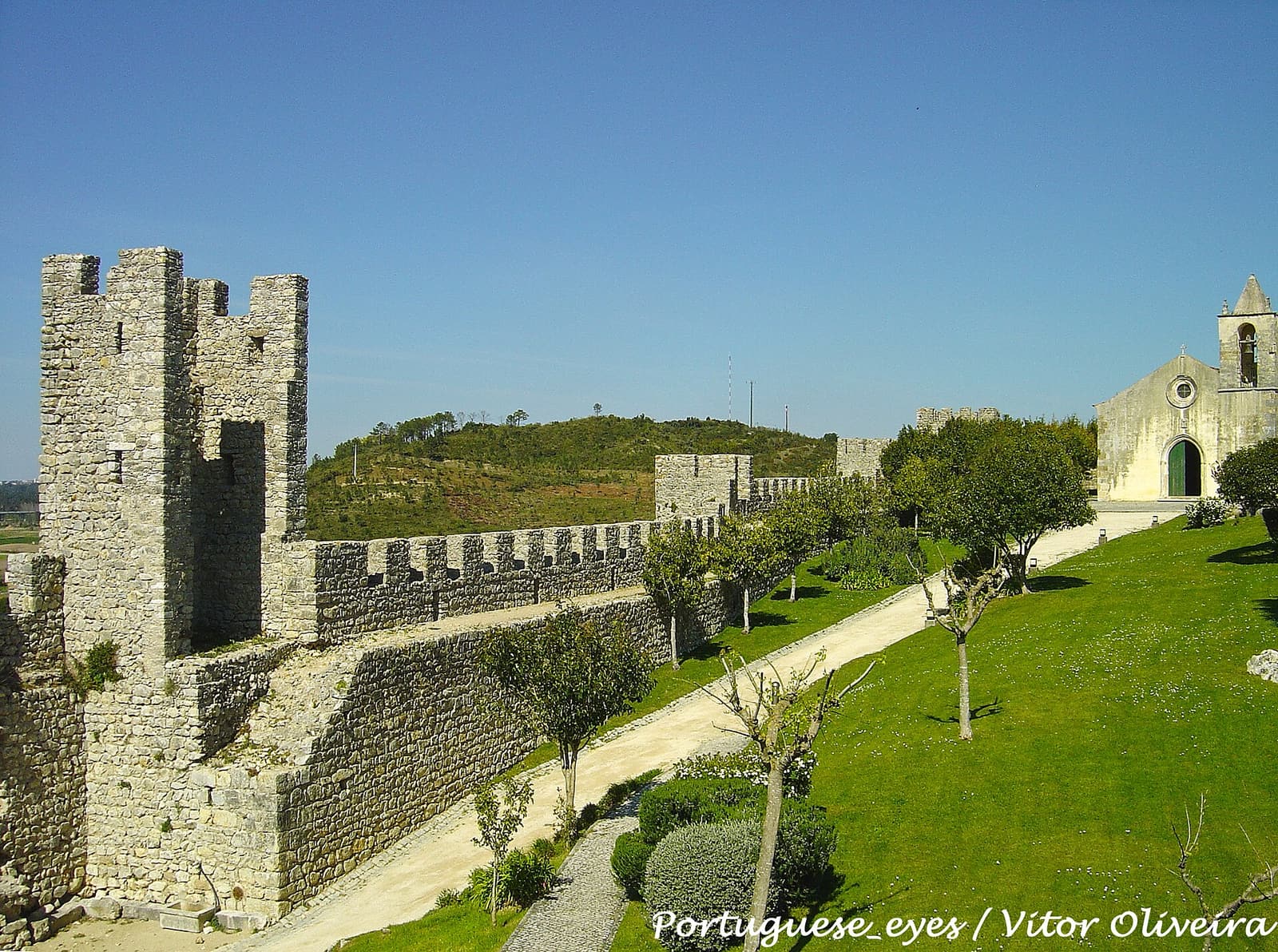
Medieval consolidation was marked by charters: the first in the early 13th century and later the new charter granted by King Manuel I in 1516, documenting the vitality of the sixteenth-century town. The great Castle of Montemor-o-Velho, with its walled enclosure punctuated by towers and the adjoining Church of Santa Maria da Alcáçova, classified as a National Monument in 1910, is the most eloquent testament to this past.
Land of Water and Rice
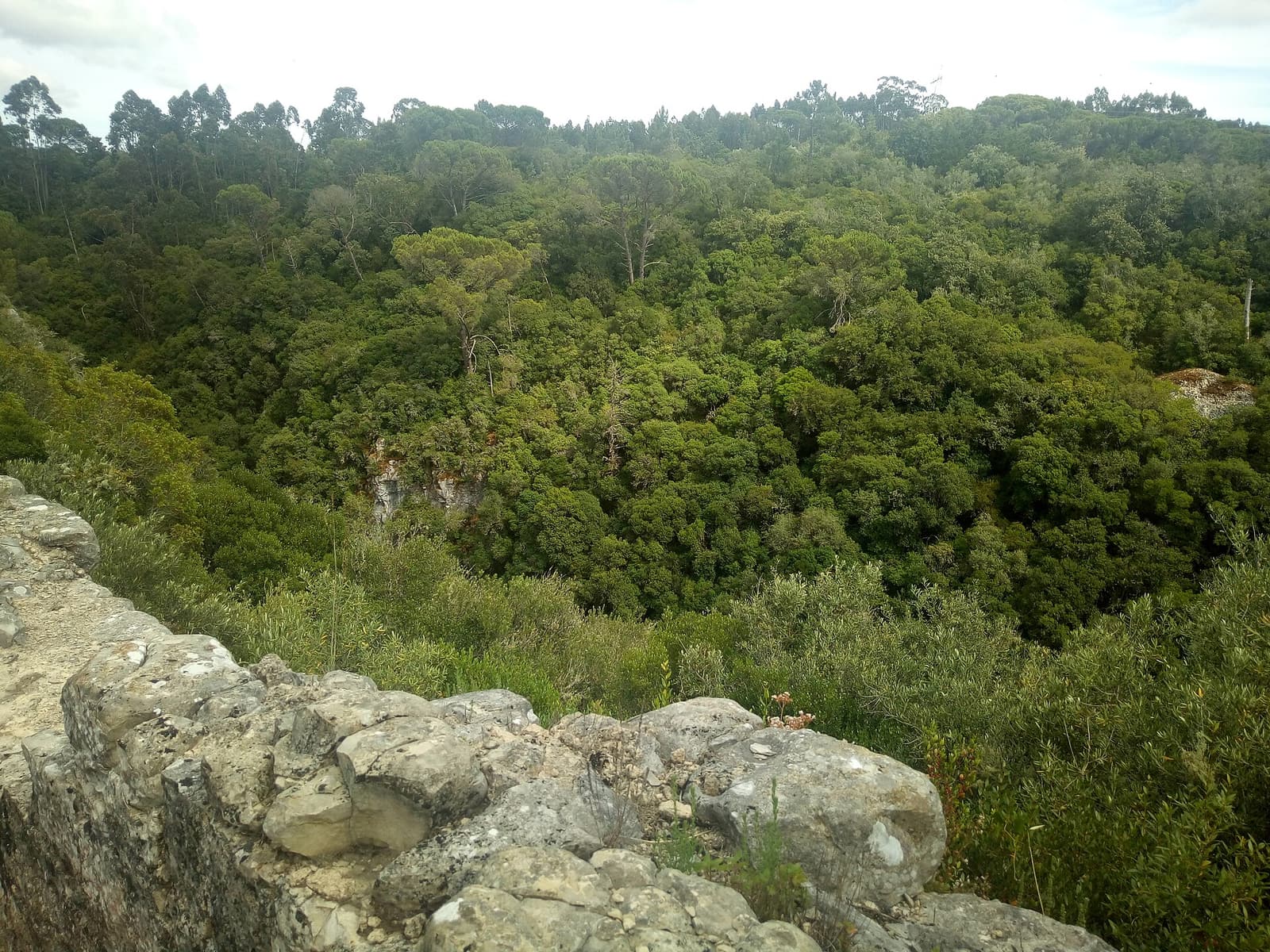
The plain stretching below the castle is one of the country’s most fertile. The fields of the lower Mondego, drained and irrigated over centuries, made rice the region’s emblematic crop, alongside corn. Around the town survive the wetlands of Arzila and Taipal, ecologically valuable areas where aquatic birds nest and fish and amphibians reproduce.
This fluvial and agricultural corridor gave Montemor-o-Velho a unique place in national sports. The High-Performance Rowing and Canoeing Center, established on a two-kilometer stretch of the Mondego, has hosted international competitions and become a training base for Portuguese national teams.
Heritage and Memory
Beyond the castle, the town preserves churches, manor houses, and the memory of figures born in the municipality, such as the navigator and chronicler Fernão Mendes Pinto, author of Peregrinação, and Diogo de Azambuja, the captain who oversaw the construction of São Jorge da Mina fortress on the African coast. Proximity to Coimbra integrates Montemor-o-Velho into one of the Centro region’s most heritage-rich territories, between Mondego castles, monasteries, and conventual pastry traditions.
Today, Montemor-o-Velho thrives between agriculture, water sports, and cultural tourism centered on the castle — a stage for festivals and reenactments that return the hill to the clamor of its walls.
Frequently asked questions
- Where is Montemor-o-Velho located?
- Montemor-o-Velho is a town and municipal seat in the Coimbra district, in the Centro region, situated on the right bank of the Mondego River, about 25 km west of the city of Coimbra.
- What to visit in Montemor-o-Velho?
- The highlight is the medieval castle crowning the hill above the town, including the Church of Santa Maria da Alcáçova. It's also worth exploring the riverside town and sampling Tentúgal pastries.
- Why is it called Montemor-o-Velho?
- The name derives from Mons Maior (greater hill). The qualifier 'o-Velho' distinguishes it from Montemor-o-Novo in Alentejo, which was founded later.
Sources
Keep exploring
Heritage nearby
More places to discover from here. Approximate straight-line distances, within 50 km.