Monuments
Salzedas Monastery
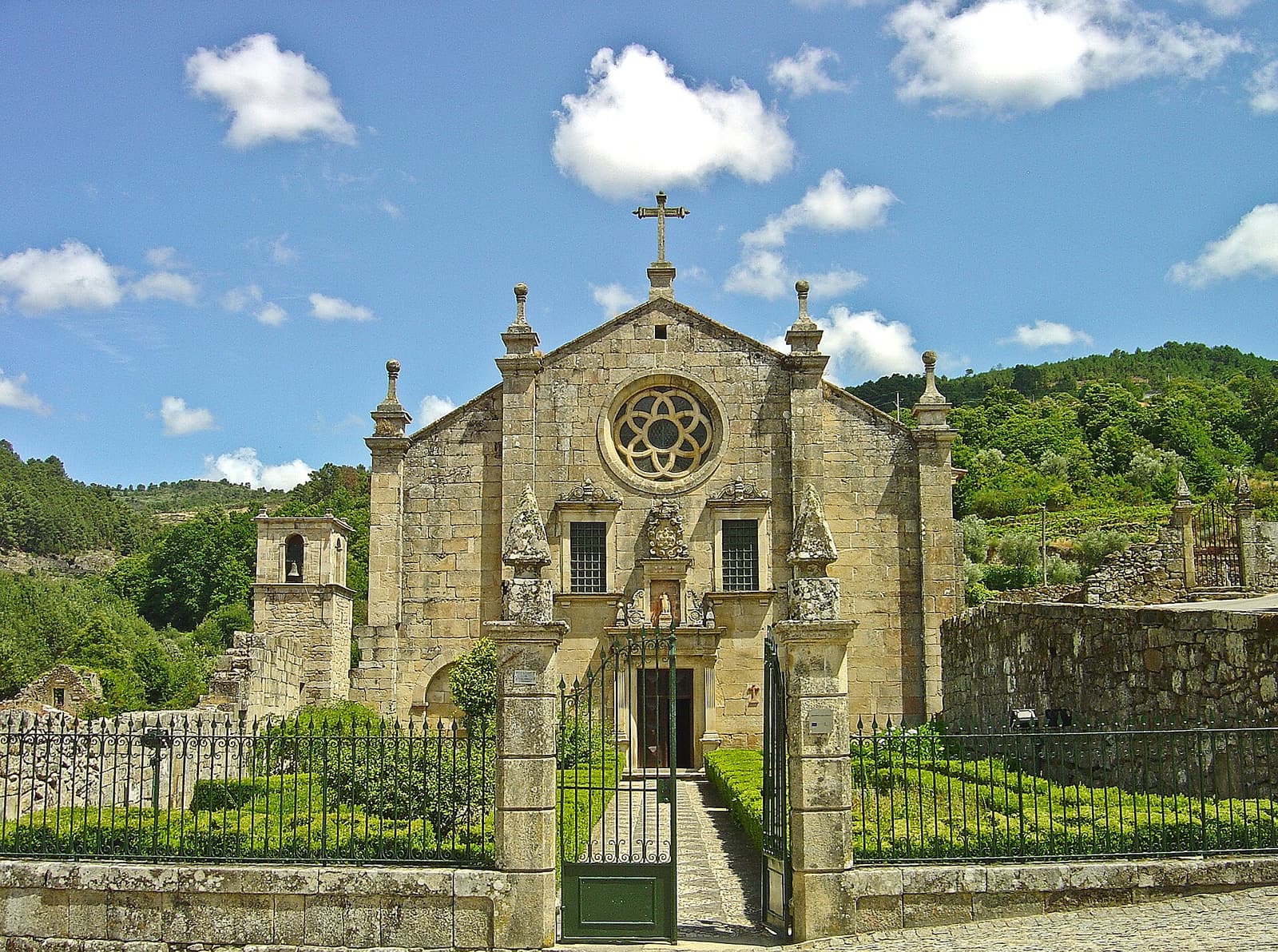
The Monastery of Santa Maria de Salzedas in Tarouca is one of the great Cistercian abbeys in the Douro Valley, spanning from Romanesque to Baroque periods.
- Location
- Salzedas, Tarouca, Viseu
- Built
- 1168 (igreja); claustro do séc. XVIII
- Style
- Românico a Barroco
Nestled in the depths of a sheltered valley south of the Douro, in the parish of Salzedas, municipality of Tarouca, the Monastery of Santa Maria de Salzedas was one of the largest Cistercian abbeys in northern Portugal. Its history spans over six centuries of monastic life, and the surviving church offers one of the clearest examples of how a religious building transitioned seamlessly from medieval Romanesque to late Baroque without erasing its past.
Foundation and adoption of the Cistercian rule
The monastery’s origins are tied to Teresa Afonso, daughter of Count Afonso Nunes de Celanova and widow of Egas Moniz (the Tutor), the celebrated nobleman from the court of Afonso Henriques. She donated the lands where the abbey would be established in the mid-12th century. The initial community followed Benedictine observance, only adopting the Cistercian rule in the late 12th century, joining the network of white monasteries expanding across the kingdom—much like the neighboring Monastery of São João de Tarouca, considered the first Cistercian monastery on Portuguese soil.
Church construction likely began in 1168, with consecration dated to 1225, placing Salzedas within the great Romanesque building movement that left remarkable monastic landmarks across the Varosa Valley and the Douro wine region.
Salzedas’ strength lies not in a single era, but in how each century rewrote the building without fully erasing the past—making it a stone textbook of Portuguese religious architecture.
From Romanesque to Baroque
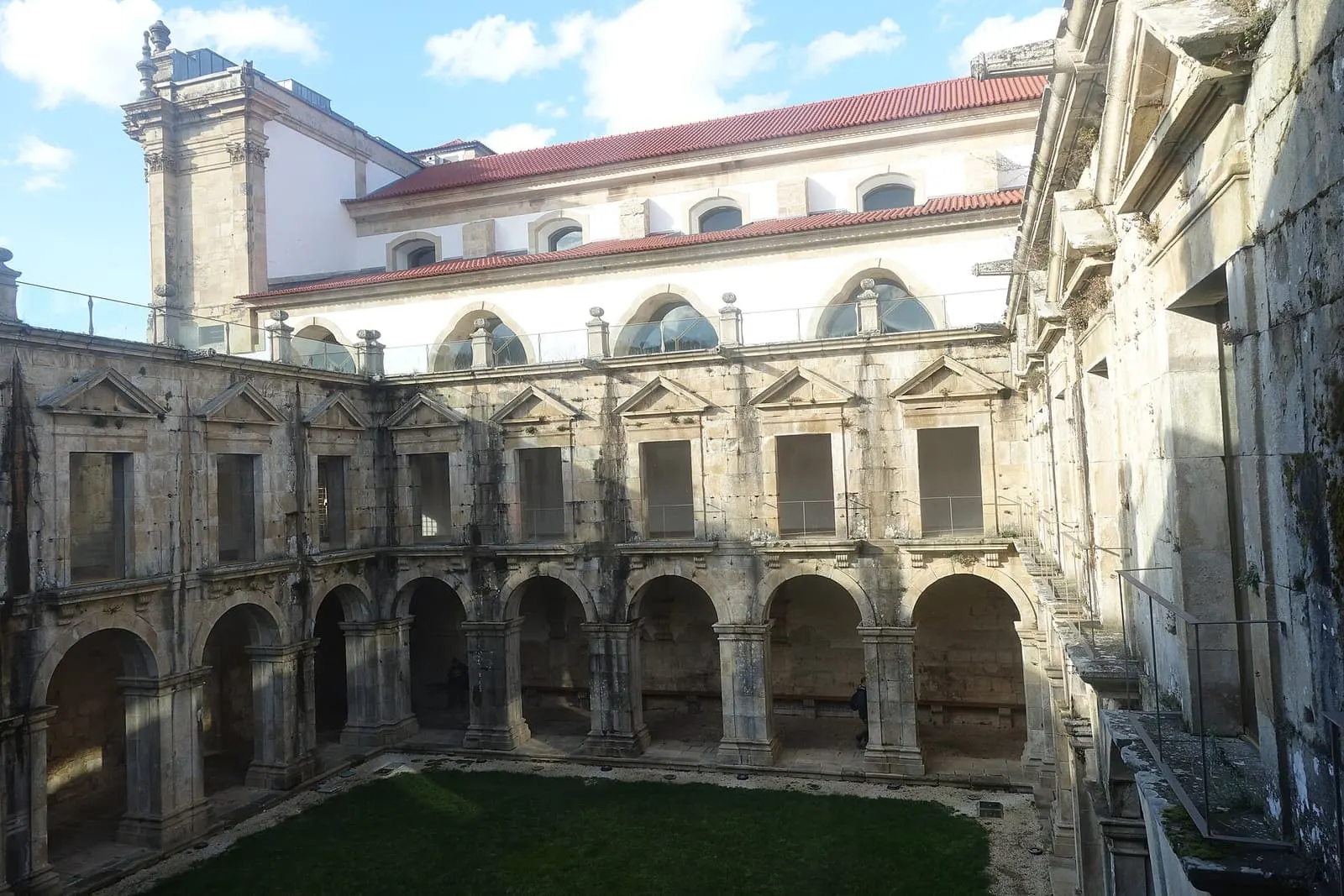
Though medieval in origin, the monastery’s current appearance owes much to 17th-18th century expansions. Highlights include a monumental new cloister traditionally attributed to Maltese architect Carlo Gimach, and the church facade with its unfinished side towers. Inside, Baroque decorative programs feature works by major Portuguese painters: preserved panels associated with Vasco Fernandes (Grão Vasco) and a painting cycle dedicated to St. Benedict and St. Bernard, patriarchs of Benedictine and Cistercian spirituality.
This layering of campaigns makes Salzedas exemplary within Romanesque architecture in Portugal and its Baroque continuity, allowing visitors to read both original Cistercian sobriety and modern reform exuberance within one complex.
Dissolution, ruin and revival
The 1834 dissolution of religious orders hit the monastery hard. The church became the parish church while most monastic quarters were sold to private owners, beginning a long decline. Only in the late 20th century did the complex regain status: classified as a National Monument in 1997, the Portuguese State launched progressive restoration of buildings and collections from 2002 onward.
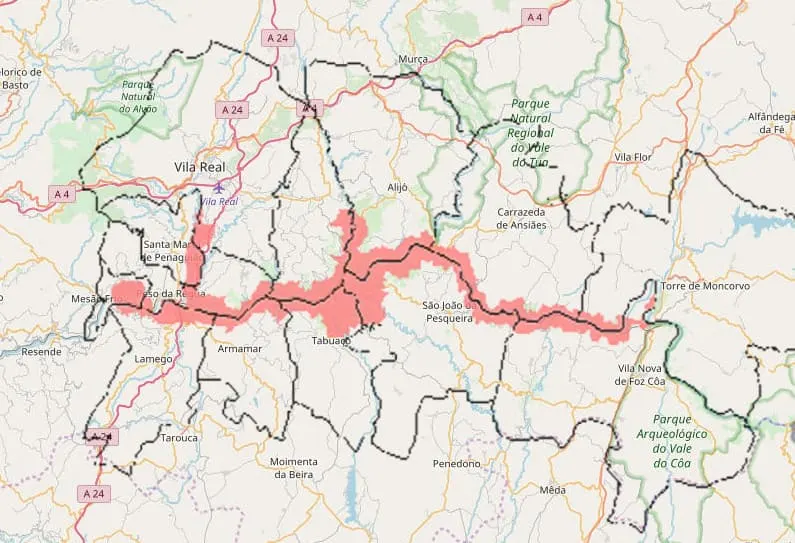
Salzedas’ 2009 integration into the Varosa Valley Project—linking regional monuments with hubs in Tarouca and the episcopal city of Lamego—enabled its 2011 public opening with museum facilities. Today, the monastery stands as a major stop on Cistercian routes in Portugal, offering visitors not a building frozen in time, but a living testament to a community that shaped this Douro valley landscape and economy for nearly seven centuries.
Frequently asked questions
- Who founded Salzedas Monastery?
- Its foundation is linked to Teresa Afonso, widow of Egas Moniz (the Tutor), who donated the land in the mid-12th century. The community, initially Benedictine, adopted the Cistercian rule by the end of that century.
- Is the monastery open to visitors?
- Yes. After restoration by the Portuguese State and integration into the Varosa Valley Project, the complex opened to the public in 2011, featuring a museum space and visits to the church and monastic quarters.
- Which architectural styles coexist at Salzedas?
- The complex documents the transition from 12th-century Romanesque to 17th-18th century Baroque, including an 18th-century cloister attributed to Maltese architect Carlo Gimach.
Sources
Keep exploring
Heritage nearby
More places to discover from here. Approximate straight-line distances, within 50 km.