Monuments
Monastery of São João de Tarouca
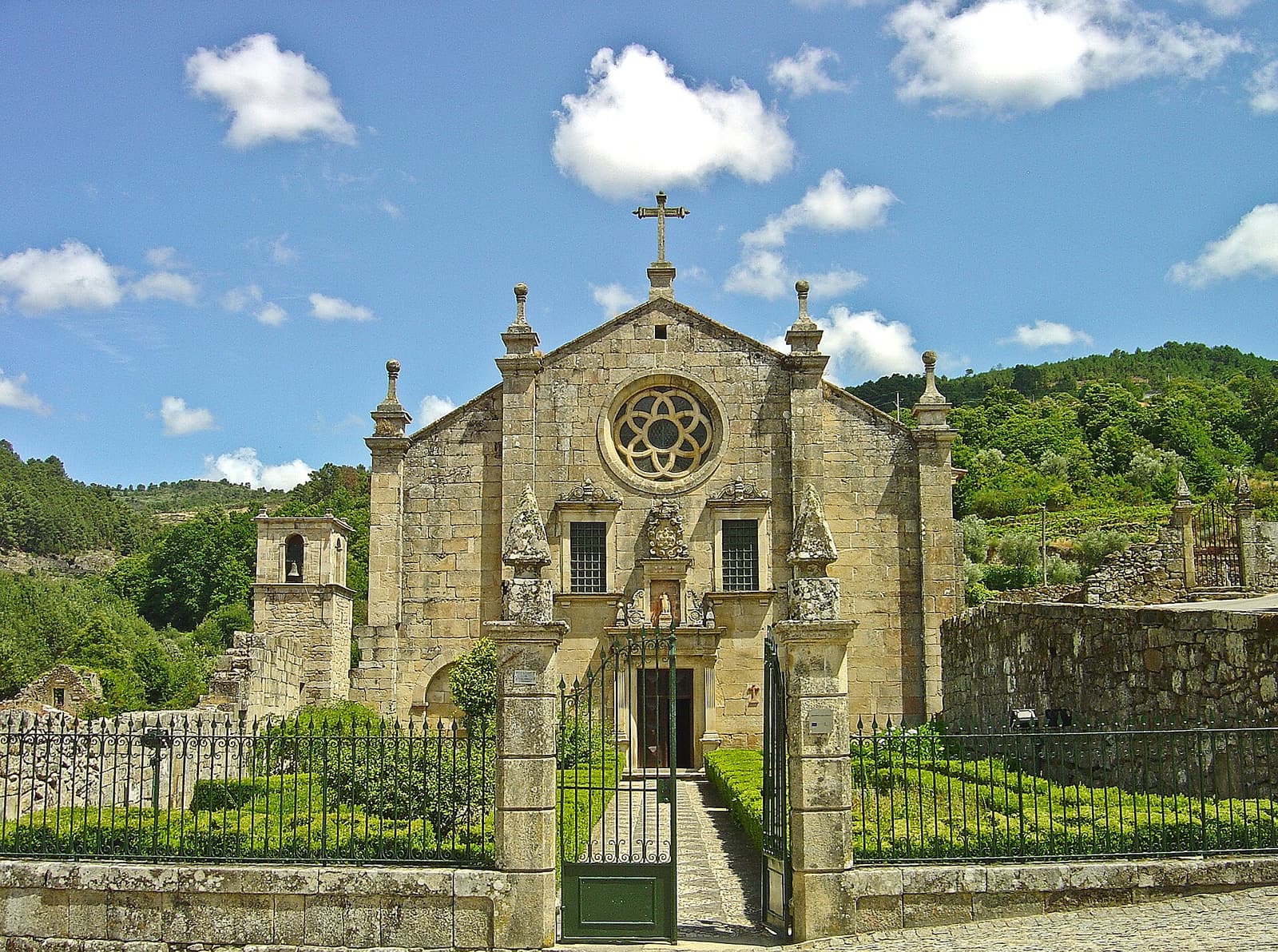
The Monastery of São João de Tarouca, in the Varosa valley, was the first Cistercian monastery founded in Portuguese territory, in the municipality of Tarouca.
- Location
- São João de Tarouca, Viseu
- Built
- 1154
- Style
- Românico e gótico
At the bottom of the Varosa river valley, on the slopes of the Leomil mountain range, stands the Monastery of São João de Tarouca — the first male monastery of the Cistercian Order founded in Portuguese territory. Its construction began around 1154, at a time when the young monarchy sought to consolidate settlement and ecclesiastical organisation in the lands south of the Douro. Its foundation was closely linked to D. Afonso Henriques, who granted the community a charter of privileges and integrated it into the network of monasteries that would shape the religious and agrarian landscape of the kingdom.
Cister arrives in Portugal
The choice of the Varosa valley was no accident. The white monks, coming from the orbit of Clairvaux, sought remote, fertile, and well-watered places where they could combine prayer with agricultural work according to the reformed Benedictine rule. Tarouca became the centre of a vast rural estate and a model for other houses of the order in the region, a movement that would later establish the nearby Monastery of Salzedas. These monasteries are now part of the itinerary typically followed on the Cistercian routes in Portugal, of which Tarouca is the founding point.
The primacy of Tarouca reminds us that the Cistercian presence in the country predates the grand abbey of Alcobaça: it was here, and not on the Estremadura coast, that the Cistercian Order took its first steps on Portuguese soil.
The church and its treasures
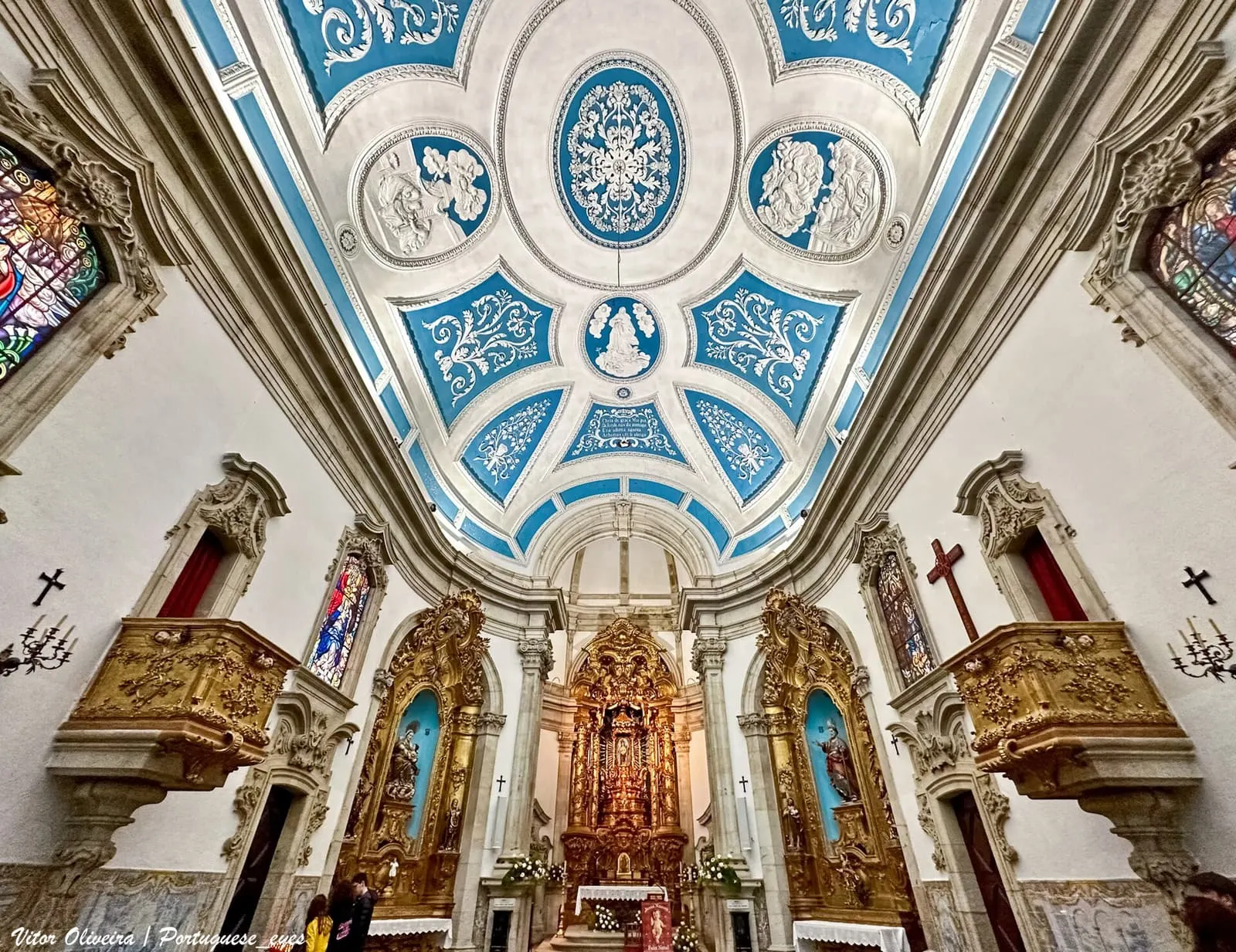
The conventual church, with a cruciform plan, retains a medieval structure with Romanesque and Gothic roots, significantly remodelled during campaigns in the 17th and 18th centuries, when the monastery was expanded with new buildings — including a colossal two-storey dormitory. Inside, it houses one of the most remarkable collections of 16th-century Portuguese painting: the altarpieces attributed to Gaspar Vaz, a disciple of Grão Vasco and a central figure of the Viseu school, including a strikingly vivid Saint Peter, considered one of the most celebrated works of national painting from that period.
In the transept lies D. Pedro Afonso, Count of Barcelos, illegitimate son of D. Dinis and author of the Livro de Linhagens. He died in 1354 and was buried in an imposing granite sarcophagus, adorned with scenes of boar hunting, often cited as the largest Gothic tomb in granite stone in the Iberian Peninsula. The monument attests to the prestige the monastery achieved among the high nobility and the royal house.
Decline and recovery
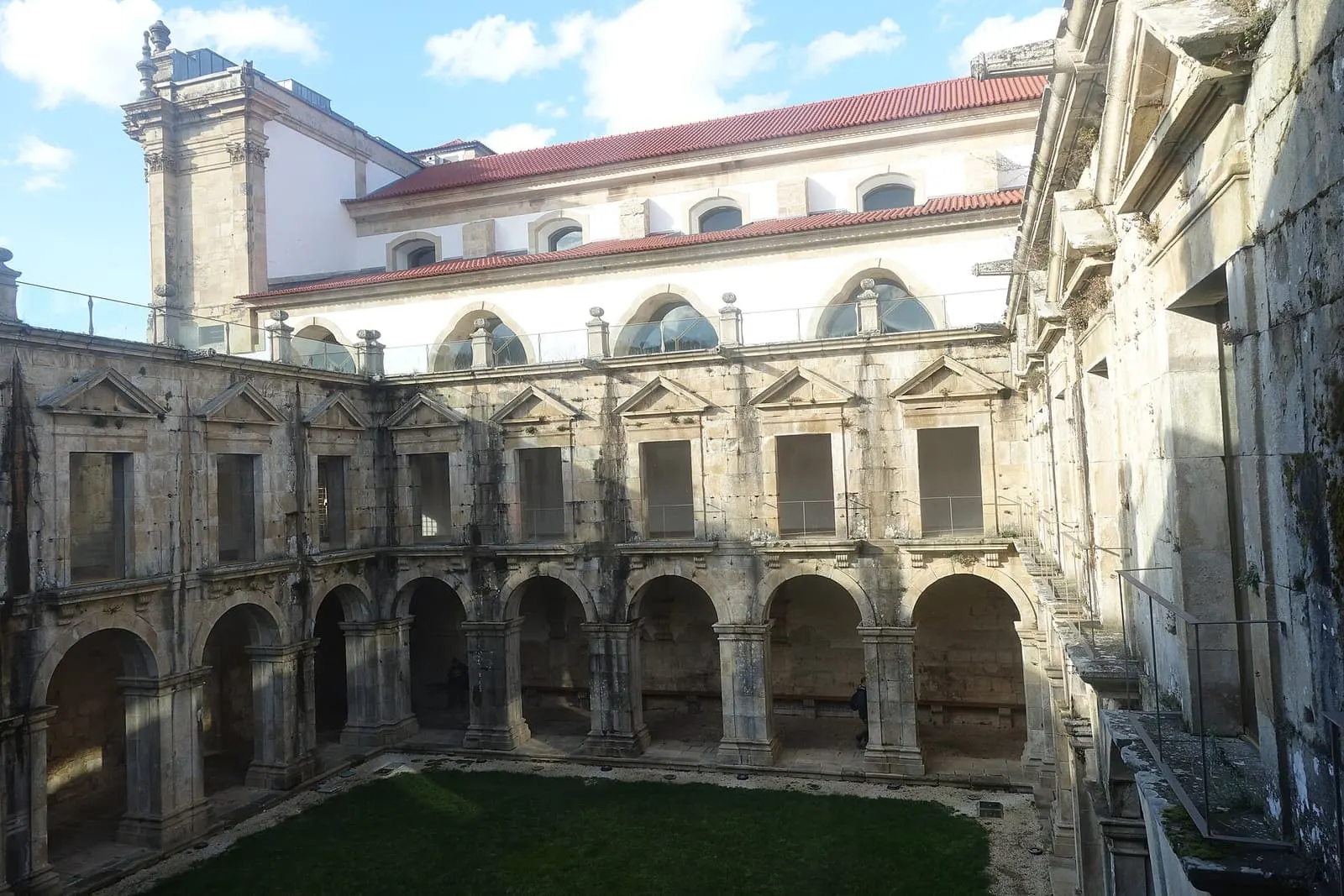
The dissolution of religious orders, decreed in 1834, marked the beginning of its decline. The church was converted into a parish church, but the monastic dependencies were sold at public auction and, over decades, exploited as a quarry, resulting in the loss of much of the conventual buildings. The state began the gradual acquisition of the monastic area in 1996, followed by restoration and archaeological excavation campaigns between 1998 and 2010, which brought to light the foundations of the cloister, kitchen, dormitories, and workshops.
Classified as a National Monument, São João de Tarouca now stands as a site where architecture, painting, and archaeology intersect. Alongside the monastic complexes of the region and the cultural landscape of the Varosa valley, near Lamego, the monastery offers a single place to trace eight centuries of Portuguese monastic history — from the founding impulse of the 12th century to the 19th-century ruin and the memory that contemporary research has managed to reclaim.
Frequently asked questions
- Why is it considered the first Cistercian monastery in Portugal?
- Construction of the male monastery of São João de Tarouca began around 1154, making it the first building of the Cistercian Order erected in Portuguese territory, predating Alcobaça.
- Who is buried in the monastery?
- Here lies the tomb of D. Pedro Afonso, Count of Barcelos, son of D. Dinis and author of the 'Livro de Linhagens', who died in 1354. His granite sarcophagus is one of the largest in the Iberian Peninsula.
- Can the monastery be visited?
- Yes. The church remains in use for worship, and the monastic complex, restored by the state since 1996, is open to visitors, including the Interpretative Centre and the excavated archaeological area.
Sources
Keep exploring
Heritage nearby
More places to discover from here. Approximate straight-line distances, within 50 km.