Places
Bragança
Bragança, a district capital in the Trás-os-Montes region, with its medieval citadel, the castle, the Romanesque Domus Municipalis and the cradle of the House…
- Location
- Bragança, Bragança
- Built
- 1187
In the far north-east of Portugal, hard against the Spanish border and ringed by the cold mountains of Trás-os-Montes, stands Bragança, the capital of the district that bears its name. The city grew in the shadow of a hill crowned by walls, where one of the most intact medieval urban ensembles in the country survives. The place name probably derives from the Celtic Brigantia, “fortified place”, a testimony to an occupation far earlier than the founding of the kingdom.
The citadel and the castle
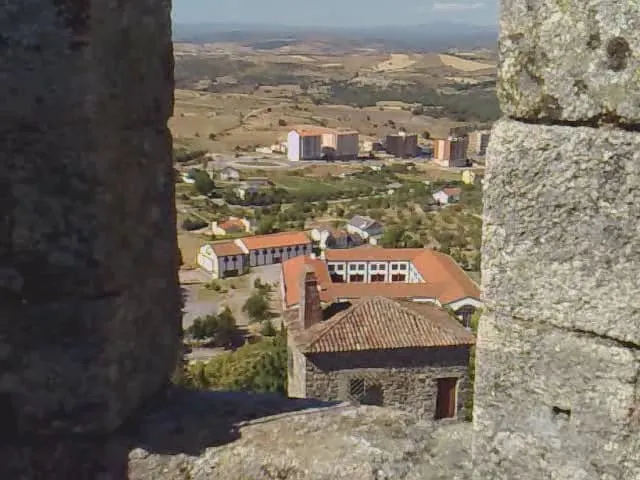
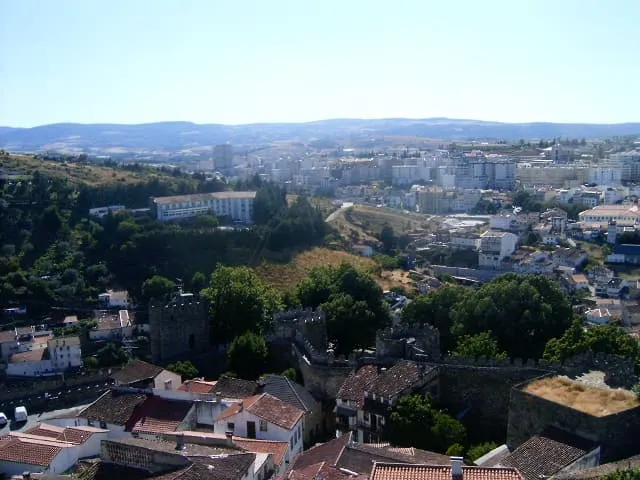
The historic heart of Bragança is its citadel, a walled enclosure that still preserves dwellings within, a rare case in Europe. Sancho I granted the settlement a charter in 1187, and it was under this impetus that the fortification was consolidated. The castle of Bragança, rebuilt during the reign of João I in the late fourteenth century, dominates the ensemble with its imposing keep, today the seat of a military museum. Beside the walls there still stands the curious pillory set upon a berrão, a zoomorphic Iron Age sculpture reused as a pedestal — an eloquent sign of the long layering of eras that characterises this city.
The citadel of Bragança is one of the few in Portugal where, within the medieval walls, life still goes on: narrow streets, armorial houses and vegetable gardens coexist with the castle and the Romanesque monuments.
The Domus Municipalis, a unique jewel
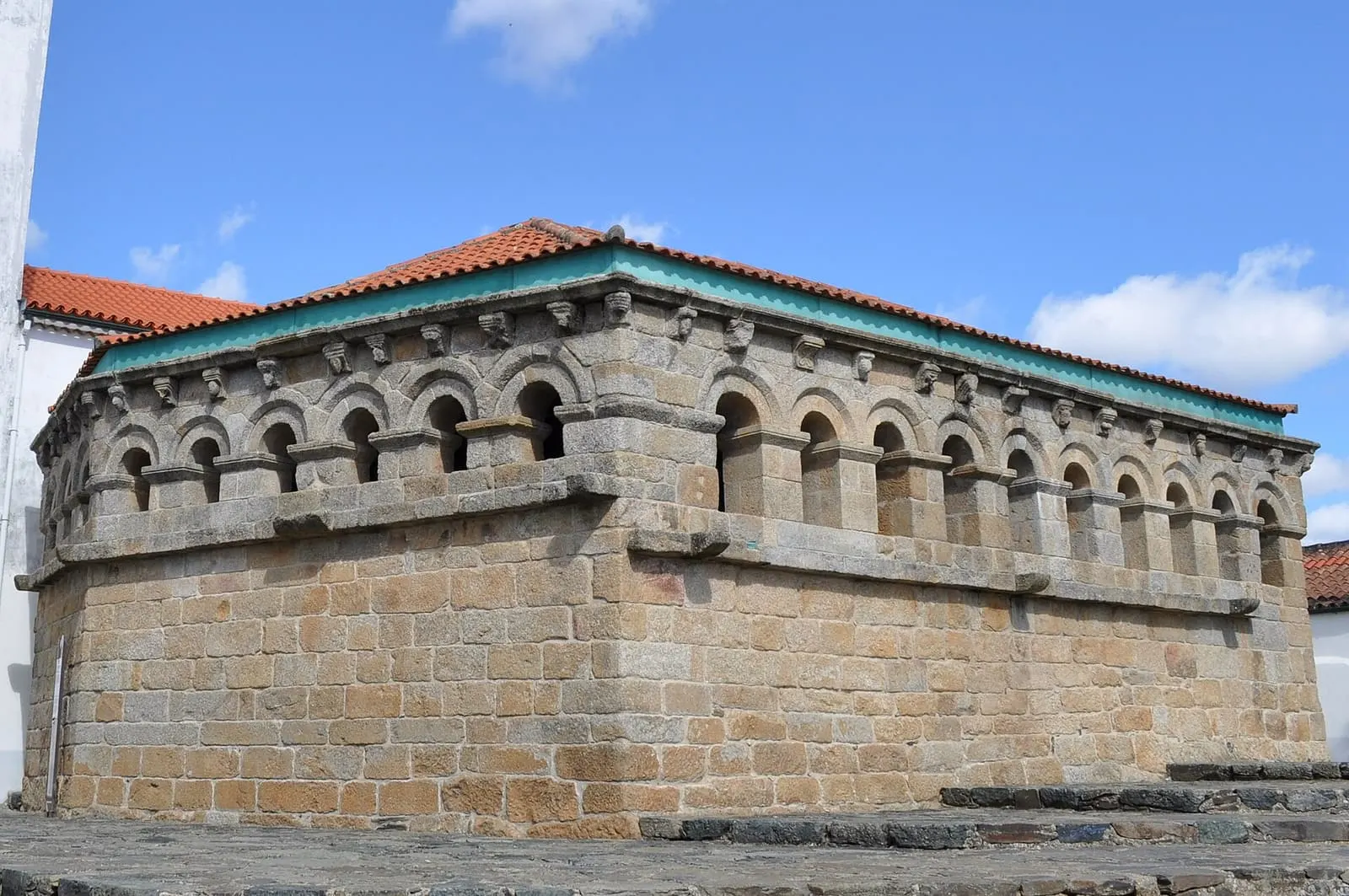
Within the walled enclosure stands the Domus Municipalis of Bragança, a building of pentagonal plan raised in granite that served as the council meeting house and cistern. Datable to the twelfth and thirteenth centuries, it is considered the only example of Romanesque civic architecture in the whole of the Iberian Peninsula, and has been classified as a National Monument since 1910. Its gallery of round arches, opening onto the enclosure, constitutes one of the most singular testimonies of Romanesque architecture in Portugal. Beside it rises the church of Santa Maria, completing the monumental core of the hill.
Cradle of a dynasty
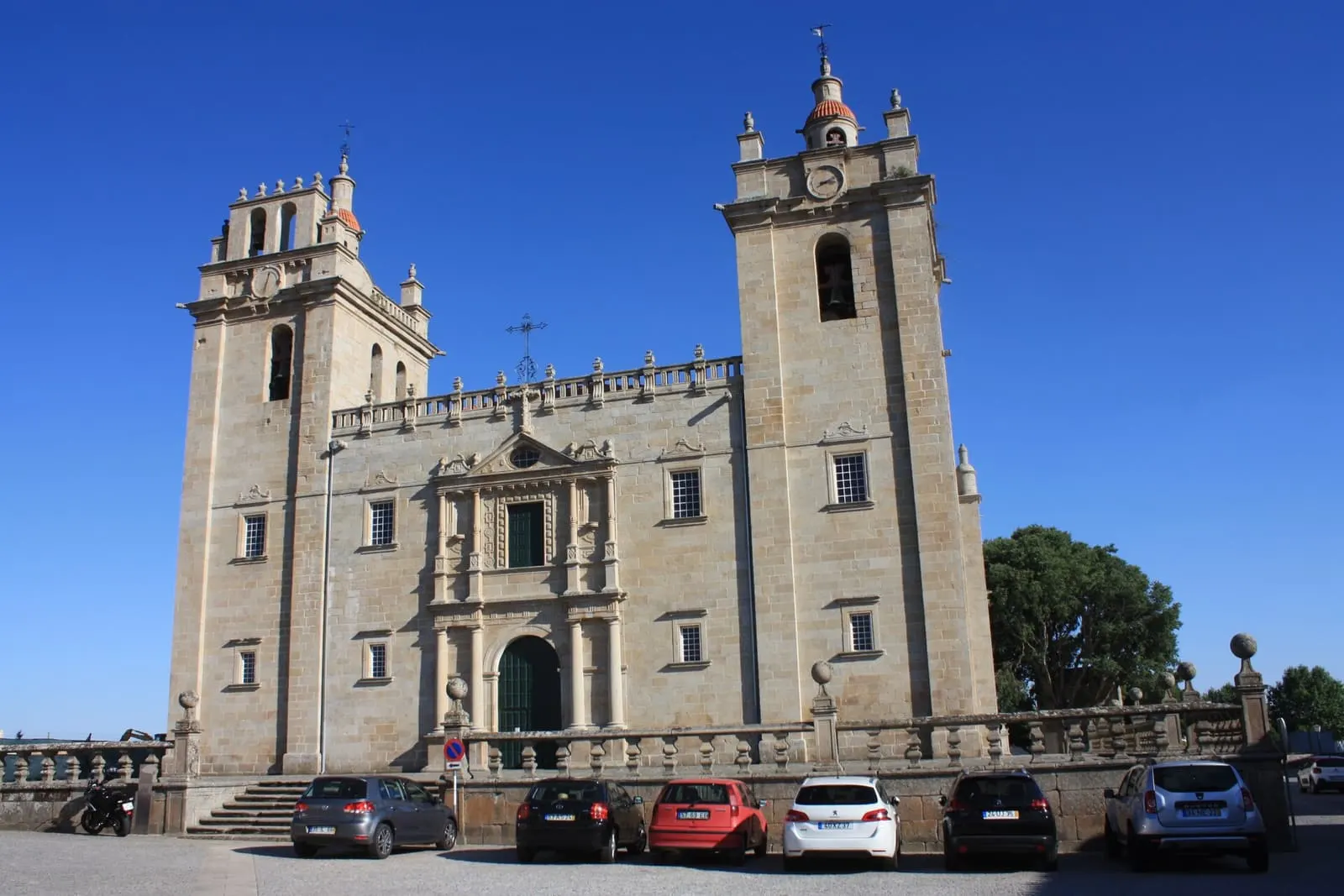
The name of Bragança became indelibly linked to national history when, in 1442, the title of Duke of Bragança was created, granted to Afonso, the illegitimate son of João I. The House of Bragança became the richest and most influential of the Portuguese nobility and, in 1640, with the acclamation of João IV, ascended to the throne, beginning the dynasty that would reign until the proclamation of the Republic in 1910. Afonso V raised the town to the status of a city in 1464. In the lower town, the Cathedral of Bragança recalls the creation of the diocese in 1770, heir to the former bishopric of Miranda.
Traditions of the plateau
Bragança is also one of the capitals of the Trás-os-Montes winter festivals, in which the caretos and ritual masks enliven the villages of the municipality with their ancestral origins. This popular religiosity and communal theatricality continue in events such as the Festa dos Rapazes, recognised as intangible cultural heritage. Those who travel the north-east from here will also find neighbouring Miranda do Douro and the cluster of border fortresses that for centuries sealed this frontier, making Bragança one of the privileged points of departure for discovering the deepest and least travelled part of the Norte region.
Frequently asked questions
- Why is Bragança important in the history of Portugal?
- Bragança gave its name to the House of Bragança, the dynasty that reigned in Portugal from 1640 to 1910. The title of Duke of Bragança was created in 1442 and became the most powerful in the Portuguese nobility.
- What is the Domus Municipalis of Bragança?
- It is a Romanesque civic building with a pentagonal plan located in the citadel, considered the only surviving example of Romanesque civic architecture in the whole of the Iberian Peninsula. It has been classified as a National Monument since 1910.
- Where is the citadel of Bragança?
- The citadel rises on a hill overlooking the city, in the north-eastern Trás-os-Montes region. Within the walls survive the castle, the keep, the Domus Municipalis and the church of Santa Maria.
Sources
Keep exploring
Heritage nearby
More places to discover from here. Approximate straight-line distances, within 50 km.