Monuments
Co-Cathedral of Bragança
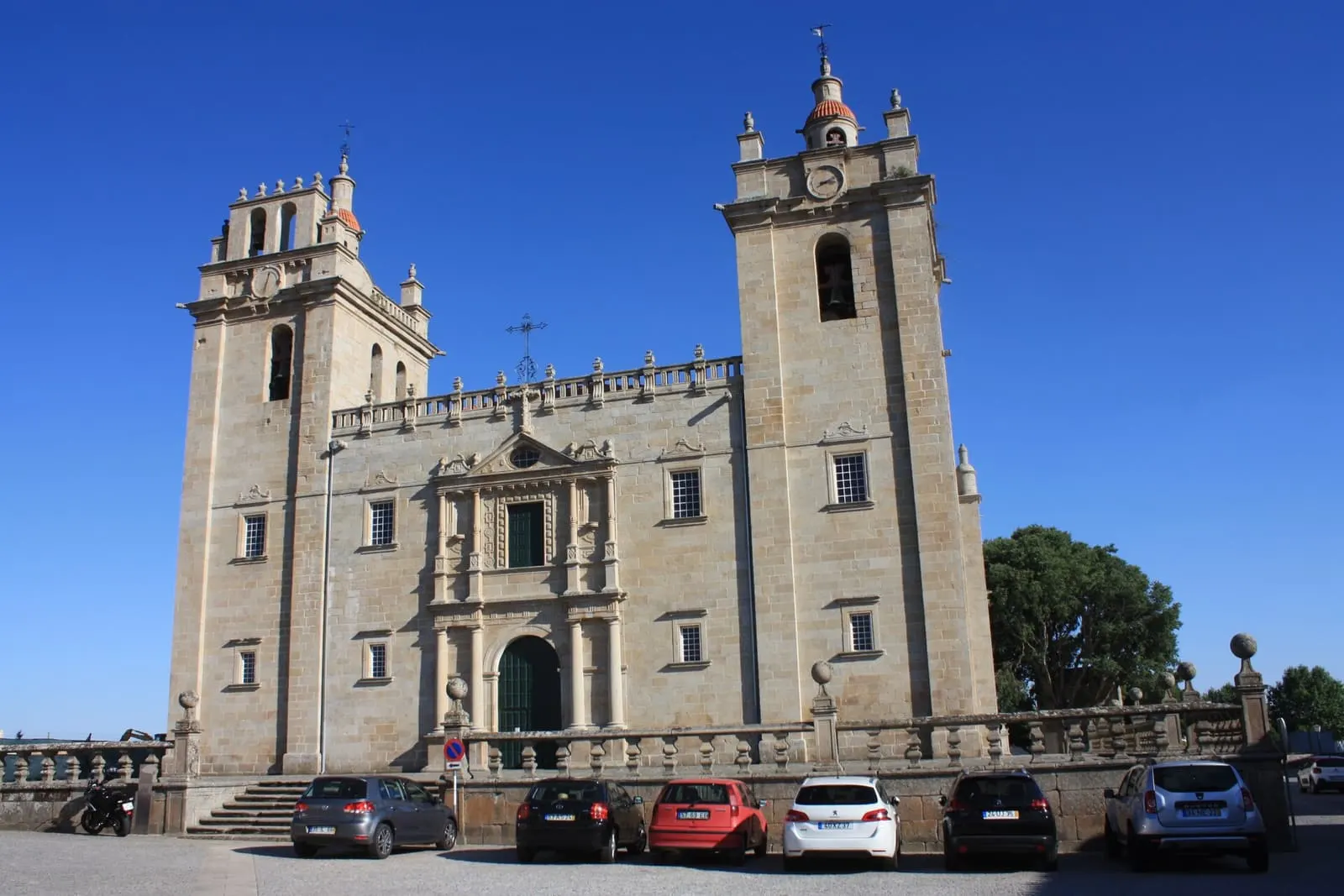
The Co-Cathedral of Bragança, a former Jesuit church elevated to cathedral status in 1764, and the new cathedral built in 2001, serving as the Trás-os-Montes…
- Location
- Bragança, Bragança
- Built
- séc. XVI; elevada a Sé em 1764
- Style
- Maneirismo e barroco (Antiga Sé); contemporâneo (Sé Nova, 2001)
In the heart of Trás-os-Montes’ historic center, the Co-Cathedral of Bragança holds a unique place in Portugal’s religious heritage: it is a see that changed buildings. The city’s cathedral dignity originated not from a purpose-built structure but from the elevation of an old Jesuit temple, culminating in the early 21st century with Portugal’s first cathedral erected in the new millennium.
A Jesuit church elevated to cathedral
The historic core of Bragança Cathedral is the Church of St. John the Baptist, part of the former College of the Holy Name of Jesus. Built in the 16th century, the church was entrusted to the Society of Jesus, which maintained a college and residence here until the order’s expulsion in 1759. The temple exemplifies a hybrid typology, where a classicist and Mannerist model was adapted to the Counter-Reformation modules of Jesuit architecture; its fully Baroque interior decorative program ranks among the most remarkable in the Northeast.
The turning point came in 1764. As part of the transfer of the episcopal see from Miranda do Douro to Bragança, the former Jesuit church was elevated to cathedral status and substantially expanded to match its new dignity. The diocese, formally reorganized in 1780, became known as Bragança-Miranda, retaining the old Miranda cathedral as a co-cathedral—a sharing arrangement that explains the close relationship between the /se-de-braganca/ and the /se-de-miranda-do-douro/.
From the Old Cathedral to the contemporary cathedral
For over two centuries, the Church of St. John the Baptist served as the diocesan cathedral. However, the city’s growth and the old temple’s location led to the decision to build a new cathedral. Designed by architect Vassalo Rosa, the New Cathedral was inaugurated on October 7, 2001, and consecrated to Our Lady Queen, becoming Portugal’s first cathedral built in the 21st century. With contemporary architecture and an amphitheater-style layout, its design seeks to reflect Trás-os-Montes’ identity, from materials to the ceramic panel evoking Northeastern motifs.
With the new cathedral’s inauguration, the old cathedral reverted to being a parish church, now known as the Old Cathedral. The church and cloister were classified as a Monument of Public Interest in 2012, recognizing their historical and artistic value.
A complex in the historic center
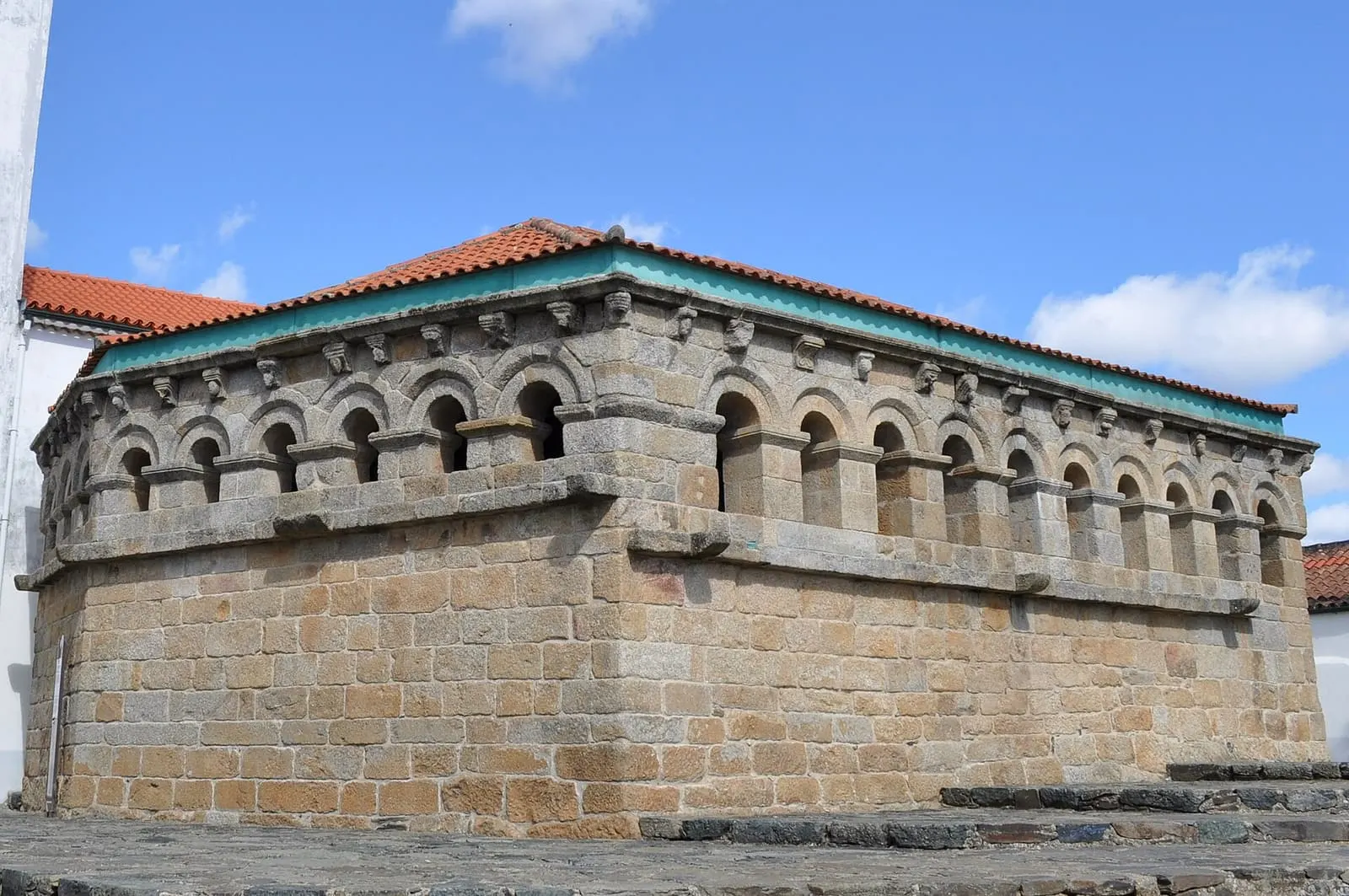
The Old Cathedral is part of a dense monumental cluster near the medieval citadel and the /castelo-de-braganca/, and a short distance from the emblematic /domus-municipalis-braganca/, a rare example of Romanesque civil architecture. Part of the former Jesuit college premises now houses the city’s cultural facilities, extending the civic vocation of a space that, over five centuries, has been a convent, college, cathedral, and parish church. This succession of roles makes Bragança Cathedral a living testament to the ecclesiastical and urban history of Portugal’s far northeast.
Frequently asked questions
- Why does Bragança have two cathedrals?
- The former Jesuit church of St. John the Baptist served as the cathedral from 1764. As it became too small and off-center relative to the modern city, a new cathedral was built and inaugurated in 2001, dedicated to Our Lady Queen. The old one then reverted to being a parish church.
- When did Bragança first have a cathedral?
- In 1764, as part of the transfer of the episcopal see from Miranda do Douro to Bragança, the former Jesuit college church was elevated to cathedral status and expanded to serve as the diocesan seat.
- What is the difference between a cathedral and a co-cathedral?
- In a diocese where the see is shared between two cities, the cathedral is the principal church and the co-cathedral the secondary one, with equal dignity. In the Diocese of Bragança-Miranda, Bragança is the cathedral seat while Miranda do Douro retains co-cathedral status.
Sources
Keep exploring
Heritage nearby
More places to discover from here. Approximate straight-line distances, within 50 km.