Monuments
Elvas Castle
Elvas Castle, a medieval fortress at the highest point of this Alentejo stronghold, crowns the World Heritage bastioned fortifications.
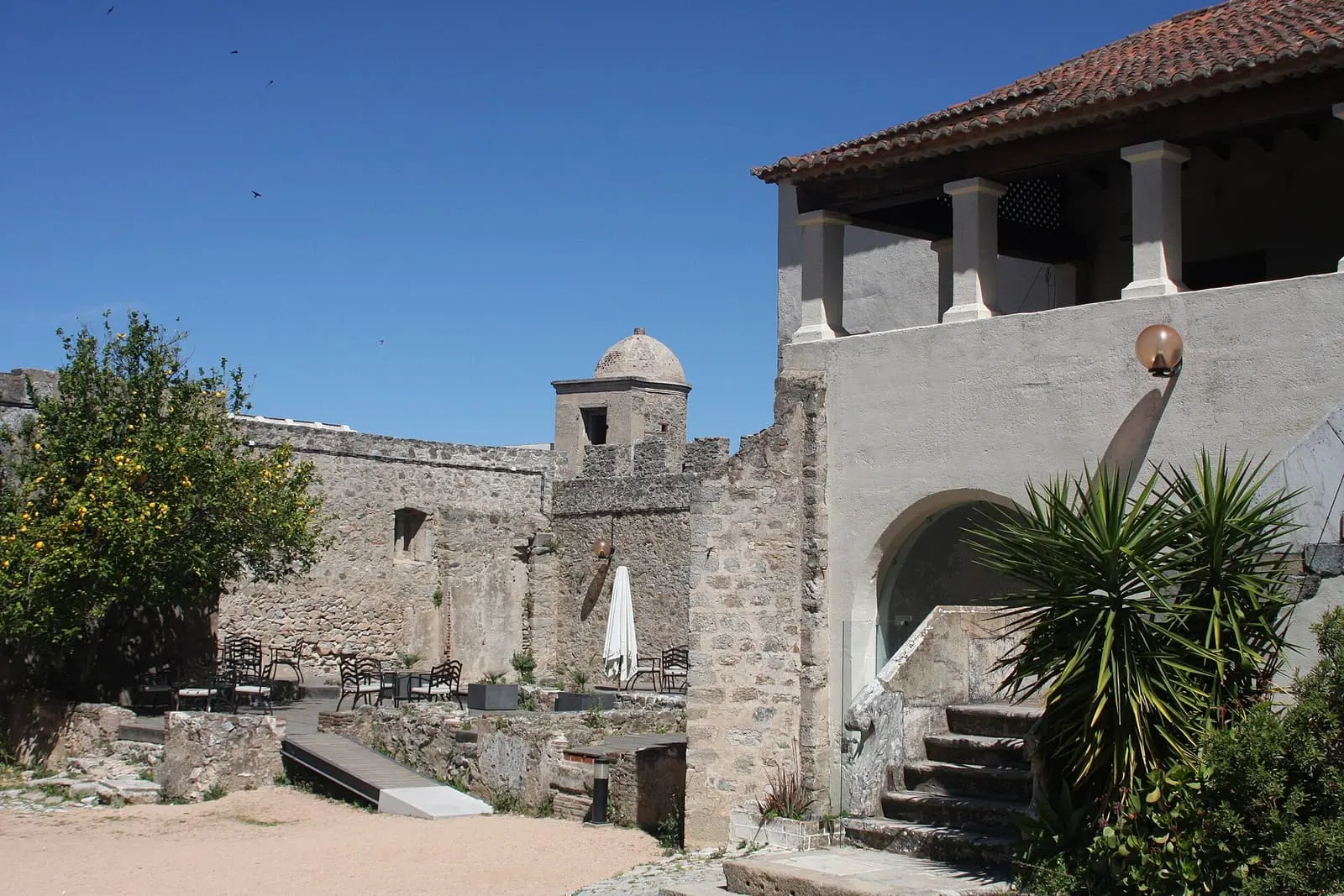
- Location
- Elvas, Portalegre
- Built
- séculos XIII–XV (sobre fortificação muçulmana anterior)
- Style
- Gótico militar
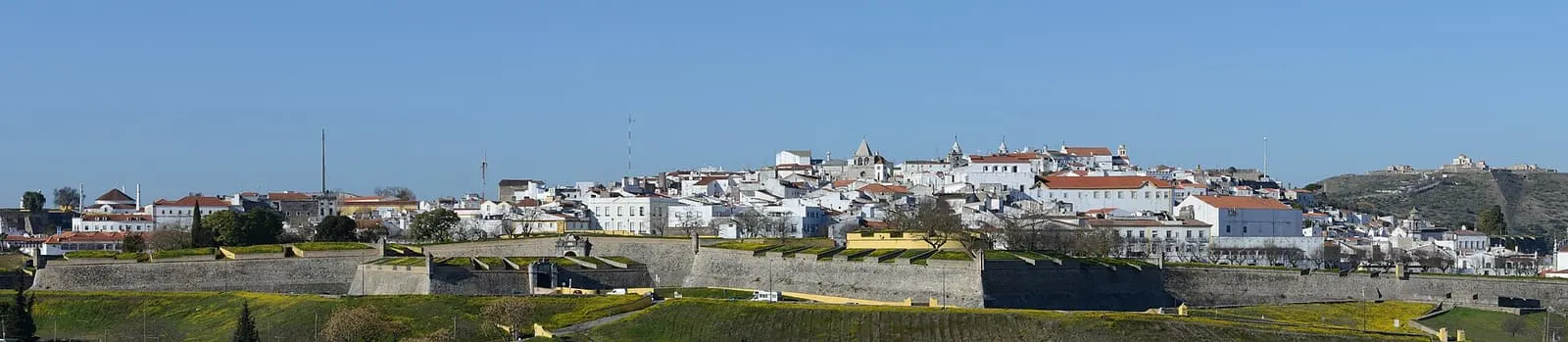
At the highest point of the hill over which Elvas spreads stands the medieval castle that for centuries was the key to the defence of the Alentejo frontier. Dominating the white houses and the plain that stretches as far as Badajoz, in Spain, the fortress is the historic core from which the walls and bastions grew in successive layers, earning the town its status as a World Heritage Site.
From Muslim origins to the reconquest
The site was occupied long before the castle we know today. Over an ancient settlement, the Muslims raised a citadel that they called, in various forms, Ielbax or Ialbax, controlling the routes between Mérida, Badajoz and present-day Alentejo. Taken definitively for the Portuguese crown in the reign of King Sancho II, who granted a royal charter in 1229, the stronghold was progressively endowed with new defences. Between the 13th and 14th centuries, under Afonso III and Afonso IV, the castle and the urban wall were rebuilt, the latter pierced by numerous towers and gates that enclosed the medieval town.
More than a seigneurial residence, Elvas Castle was always a military instrument: each reform responded to a concrete threat coming from the other side of the border.
The imposing keep that still stands out today belongs to this logic of a fortress of war. It was erected between 1488 and 1490, taller and sturdier than its predecessors, designed to withstand the weight and recoil of the first pieces of artillery. In the early 16th century, King Manuel I also ordered the complex to be repaired and enlarged, at a time when peace with Castile allowed the building’s symbolic function to be reconsidered.
A fortress within a stronghold
The true defensive leap forward in Elvas came, however, later. During the Restoration War (1640–1668), when the independence of Portugal once again depended on the ability to halt the Spanish armies, the old medieval castle proved insufficient against modern artillery. It was then surrounded by an extensive belt of bastioned walls, designed according to the principles of fortification in the modern manner and built by military engineers such as Luís Serrão Pimentel and the Jesuit João Cosmander.
The castle thus became the innermost and highest redoubt of a defence in depth that would also come to include the forts of Santa Luzia and Graça. This superimposition of periods — the Gothic tower embraced by seventeenth-century bastions — is precisely what makes the stronghold of Elvas a case study in the history of the art of war. A full account of this system can be found in the dossier devoted to the Garrison Border Town of Elvas and its Fortifications, listed by UNESCO in 2012.
Visiting and context
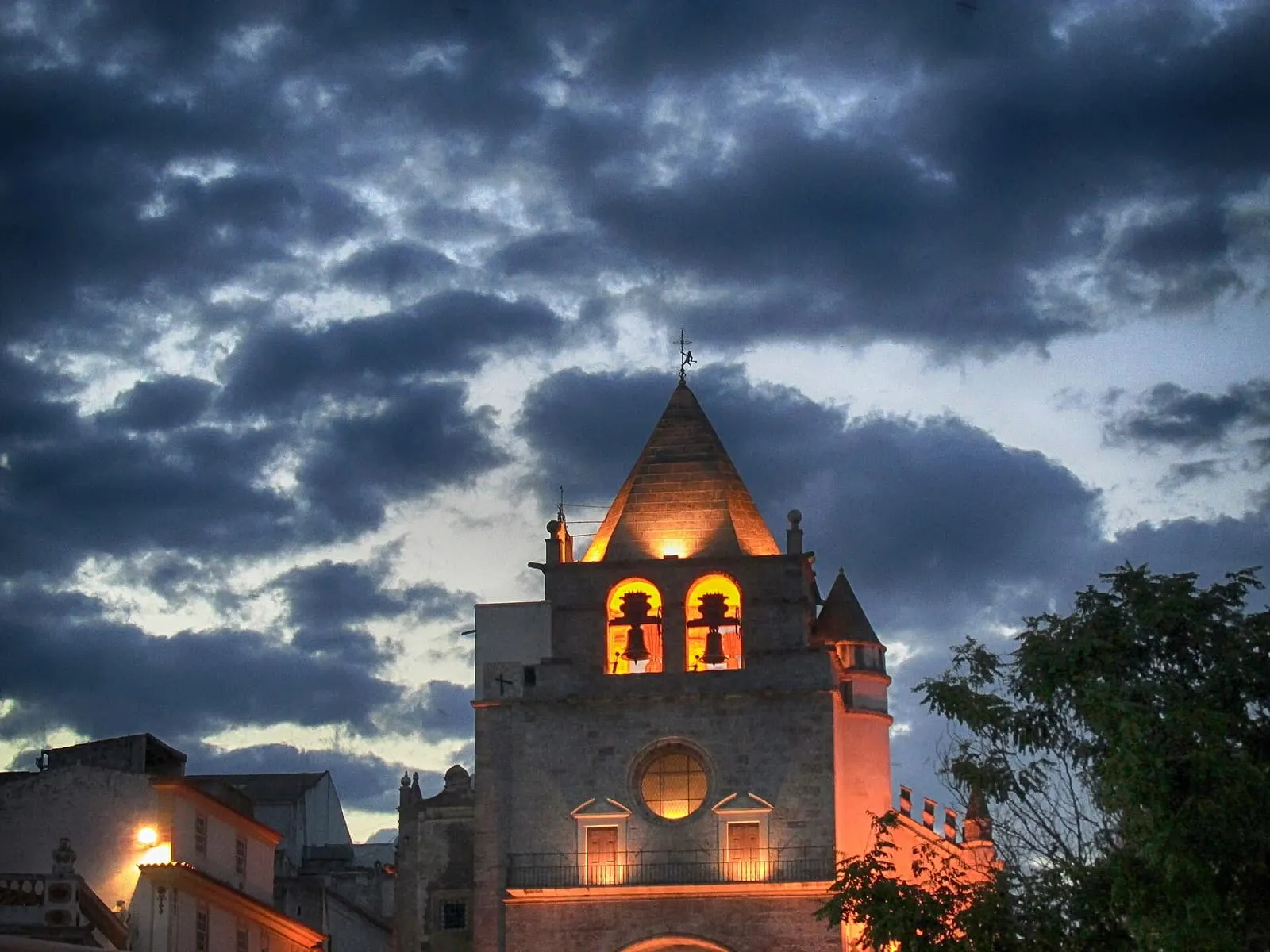
Today the castle is open to visitors and offers, from the top of the keep, one of the broadest panoramas over the Alto Alentejo, with the Amoreira Aqueduct streaking across the horizon and the houses descending towards the Cathedral of Elvas. Within a few metres of its walls lies much of the town’s monumental heritage, making the whole an almost continuous route between the medieval and the modern.
Part of the great family of Portuguese castles and of the world of bastioned fortresses, Elvas Castle stands out for not being an isolated monument, but the heart of a fortress-town that grew up around it. It is this relationship between the tower, the walls and the plain it watches over that best explains why Elvas is still known today as the “Queen of the Frontier”.
Frequently asked questions
- Is Elvas Castle a World Heritage Site?
- The castle forms part of the Garrison Border Town of Elvas and its Fortifications, listed by UNESCO as World Heritage in 2012, although it is not a separate property on that list.
- When was Elvas Castle built?
- It rises over a Muslim fortification and was rebuilt by the Portuguese monarchs between the 13th and 15th centuries. The present keep dates from the late 15th century, between 1488 and 1490.
- Where is Elvas Castle?
- At the highest point of the town of Elvas, in the district of Portalegre, in the Alto Alentejo, close to the border with Spain.
Sources
Keep exploring
Heritage nearby
More places to discover from here. Approximate straight-line distances, within 50 km.