Monuments
Monastery of Santa Clara-a-Nova (Coimbra)
The Monastery of Santa Clara-a-Nova, in Coimbra, is a seventeenth-century Mannerist convent that holds the tomb of the Holy Queen Isabel on the hill…
- Location
- Coimbra, Coimbra
- Built
- 1649–1696
- Style
- Maneirismo
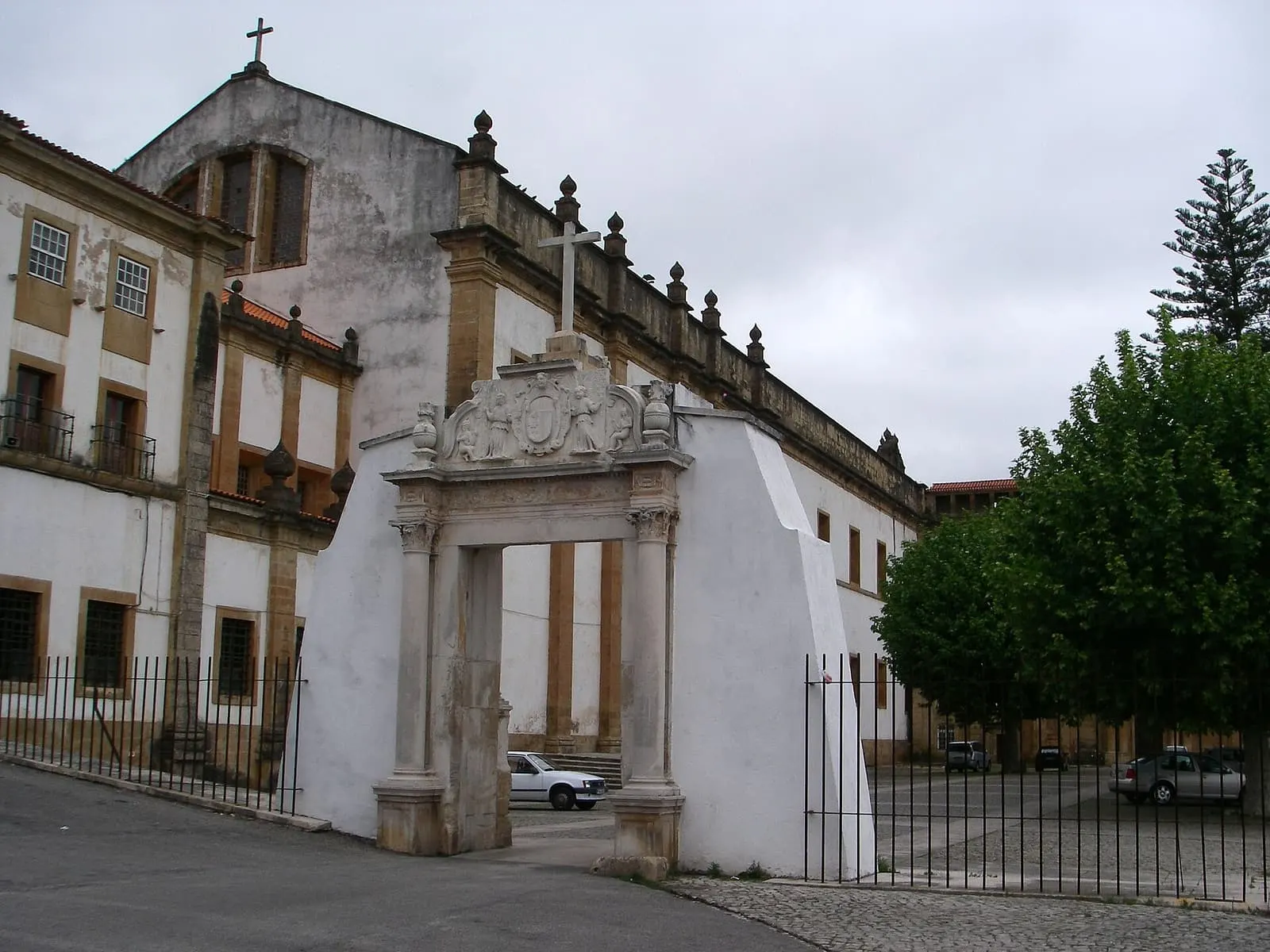
High atop the hill on the left bank of the Mondego, dominating the city of Coimbra, stands the Monastery of Santa Clara-a-Nova. Built in the seventeenth century, it arose from a practical need and a devotional purpose: to give safe shelter to the community of Poor Clares who, for almost four centuries, had struggled in vain against the waters that flooded their old convent down below, on the riverside floodplain.
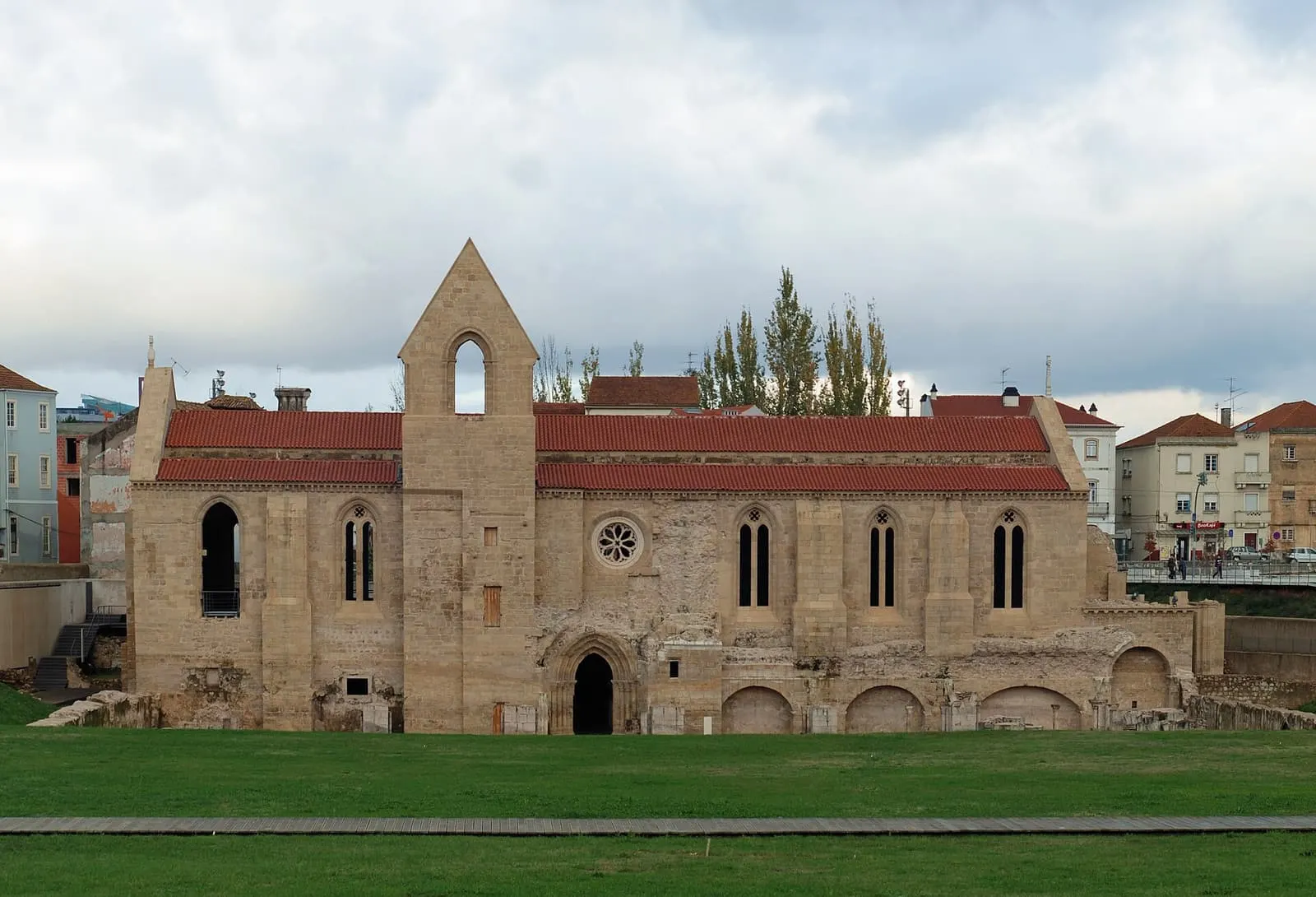
From ruin to the hill
Life for the nuns at the Monastery of Santa Clara-a-Velha had become unsustainable. The periodic floods of the Mondego progressively covered the Gothic building with mud, forcing the community to live on successively higher floors. The decision to move the convent to high, dry ground became inevitable.
Work began in 1649, following the design of the Benedictine friar João Torriano, chief engineer of the kingdom and professor of Mathematics at the University. The new monastery adopted a sober and orderly plan, with a clear preference for straight lines and contained volumes, within the Mannerist aesthetic that dominated Portuguese religious architecture of the period. The church was consecrated in 1696, the year in which the community settled there definitively. The imposing main cloister would only be completed in the eighteenth century.
The tomb of the Holy Queen Isabel
The transfer had a central moment: the conveyance of the mortal remains of the Holy Queen Isabel of Aragon, wife of King Dinis and chief protector of the Poor Clares of Coimbra. The queen, who died in 1336 and was canonized in 1625, had been buried in the old monastery, and her cult was already one of the most fervent in the kingdom.
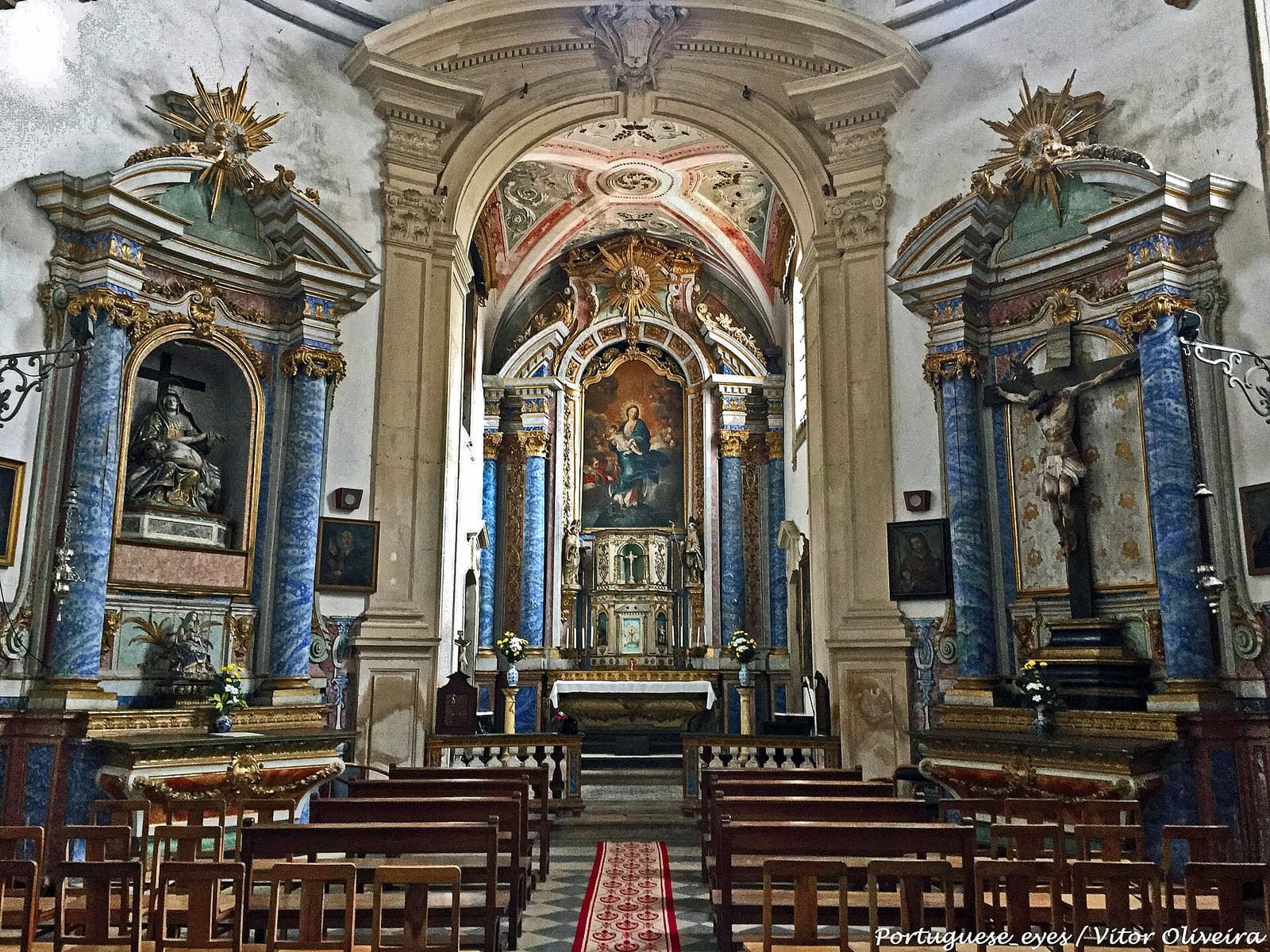
In the new church, her body was placed in a silver and crystal urn upon the high altar, where it remains a destination of pilgrimage. The original Gothic tomb — attributed to Master Pero and carved from a single block of stone at the commission of the queen herself — was installed in the lower choir of the nuns, accompanied by polychrome wooden panels narrating episodes of her life. The ensemble makes the monastery a true sanctuary of the Holy Queen, a role reinforced by the festivities dedicated to her in the city every two years.
Significance and classification
The Monastery of Santa Clara-a-Nova forms part of the network of great monastic houses that shaped the religious landscape of Coimbra, alongside the Monastery of Santa Cruz and the institutions associated with the University. Classified as a National Monument in 1910, it was occupied for centuries by the Poor Clare community until the death of the last nun, in 1891, thereafter becoming associated with the Confraternity of the Holy Queen Isabel.
Part of its premises long served military purposes, but the ensemble preserves the interest of its artistic heritage, from the carved gilt-wood altarpieces to the azulejos, and its standing as the principal place of memory of the Holy Queen. Today it forms part of the itinerary of the great Portuguese monasteries, still offering, from its forecourt, one of the broadest panoramas over the city of the Mondego.
Frequently asked questions
- Why was the Monastery of Santa Clara-a-Nova built?
- It was raised from 1649 onwards, atop the hill of Santa Clara, to house the community of Poor Clare nuns who were abandoning the old Monastery of Santa Clara-a-Velha, by then ruined by the recurrent flooding of the River Mondego.
- Where is the Holy Queen Isabel buried?
- The body of the Holy Queen Isabel lies in the monastery church, in a silver and crystal urn placed upon the high altar since 1696. Her original Gothic tomb, in stone, is preserved in the lower choir.
- Who was the author of the design?
- The original design is owed to the Benedictine friar João Torriano, chief engineer of the kingdom and professor of Mathematics at the University of Coimbra. The great cloister was completed later, already in the eighteenth century.
Sources
Keep exploring
Heritage nearby
More places to discover from here. Approximate straight-line distances, within 50 km.