Places
Idanha-a-Velha
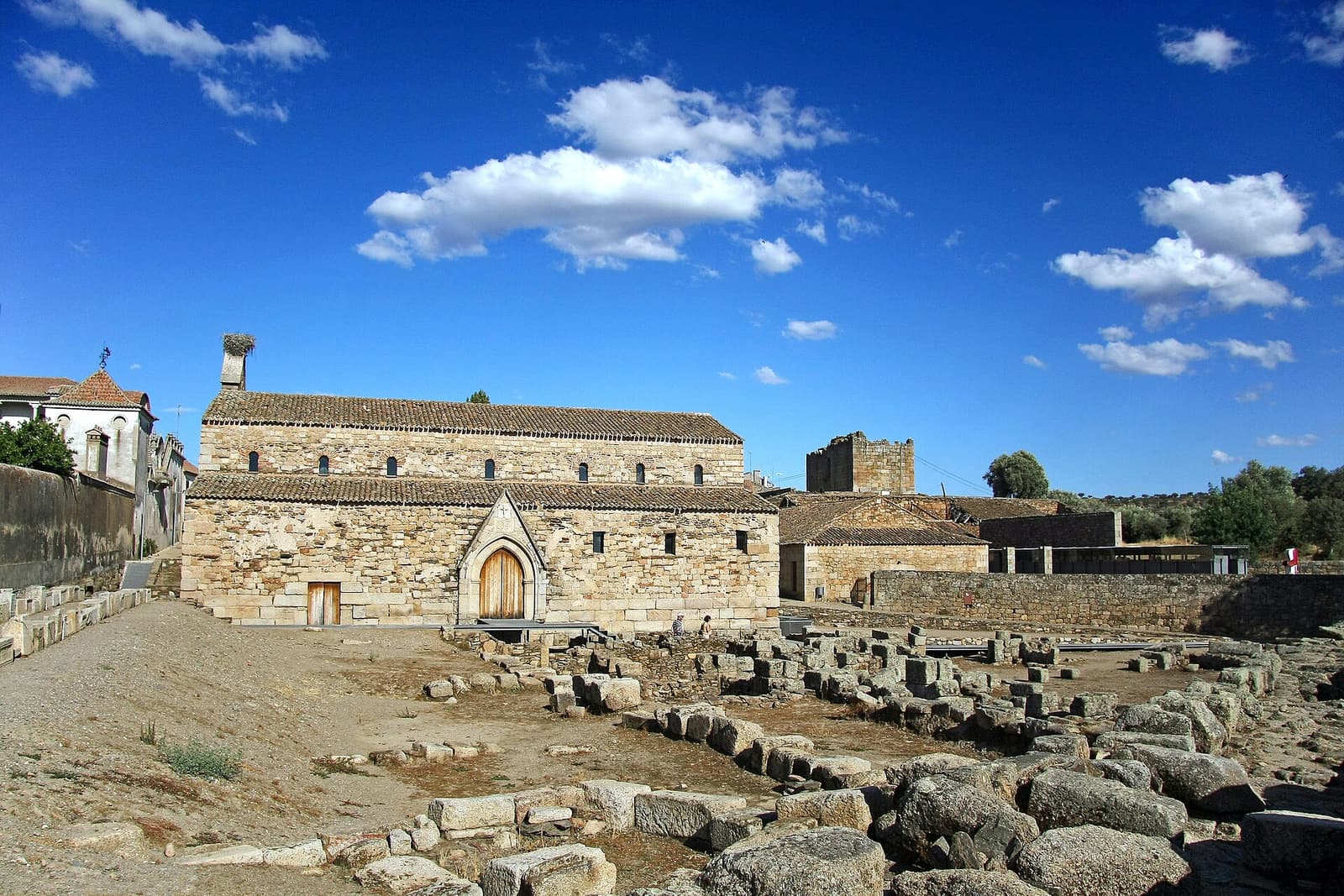
Idanha-a-Velha, a historic village in the municipality of Idanha-a-Nova, built upon the Roman town of Egitânia, with an Early Christian basilica and walls.
- Location
- Idanha-a-Velha, Castelo Branco
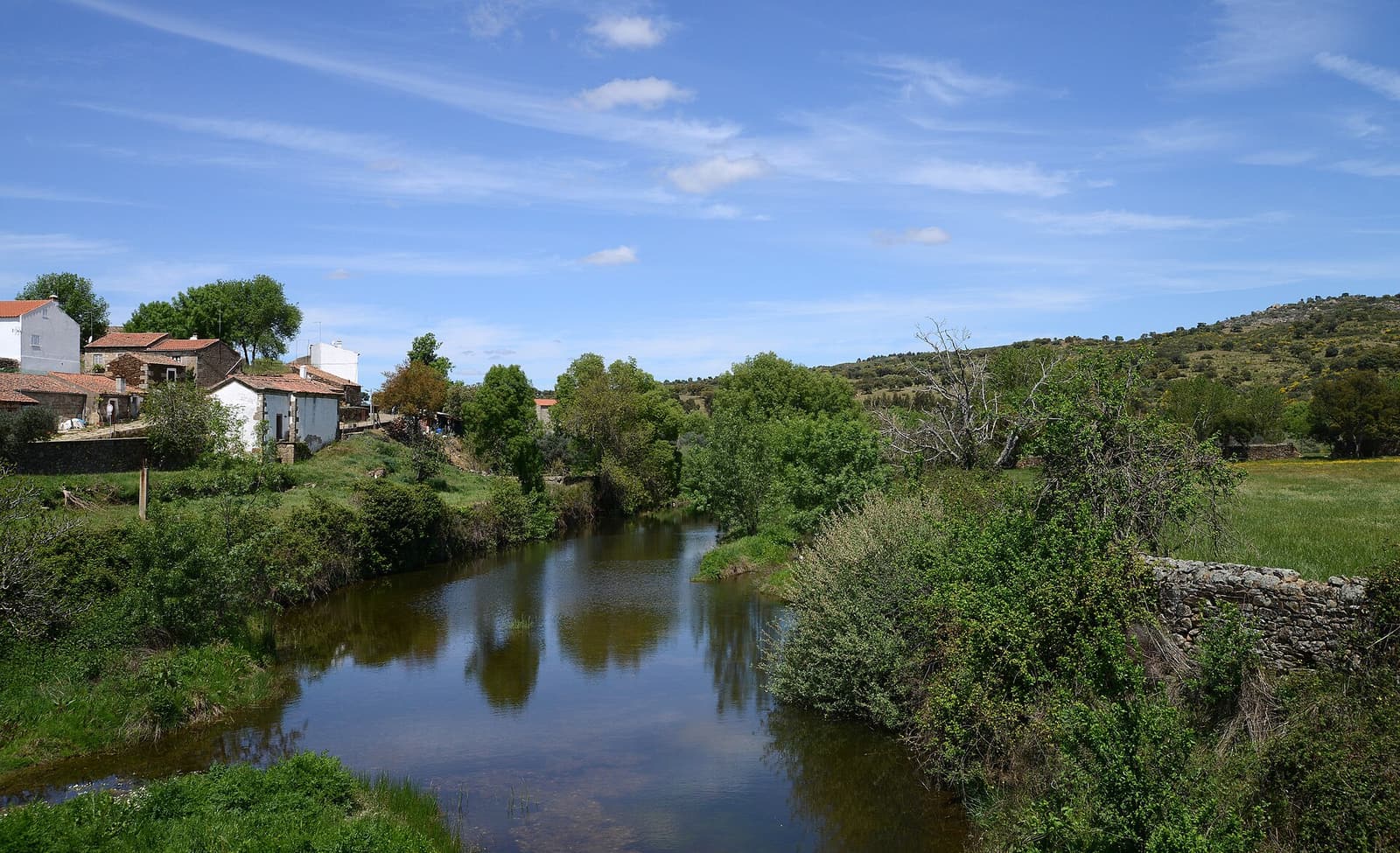
Idanha-a-Velha is a small village in the Beira Baixa, in the municipality of Idanha-a-Nova and the district of Castelo Branco, built upon the ruins of the Roman town of Egitânia, beside the Pônsul stream. Although today it numbers only a few dozen inhabitants, it concentrates more than two thousand years of history within a handful of streets, layering the Roman matrix over the Suevic, Visigothic, Islamic and medieval phases. It is one of the oldest places in the network of the Historic Villages of Portugal and a rare case in which the ancient urban fabric has remained legible.
From Roman Egitânia to episcopal see
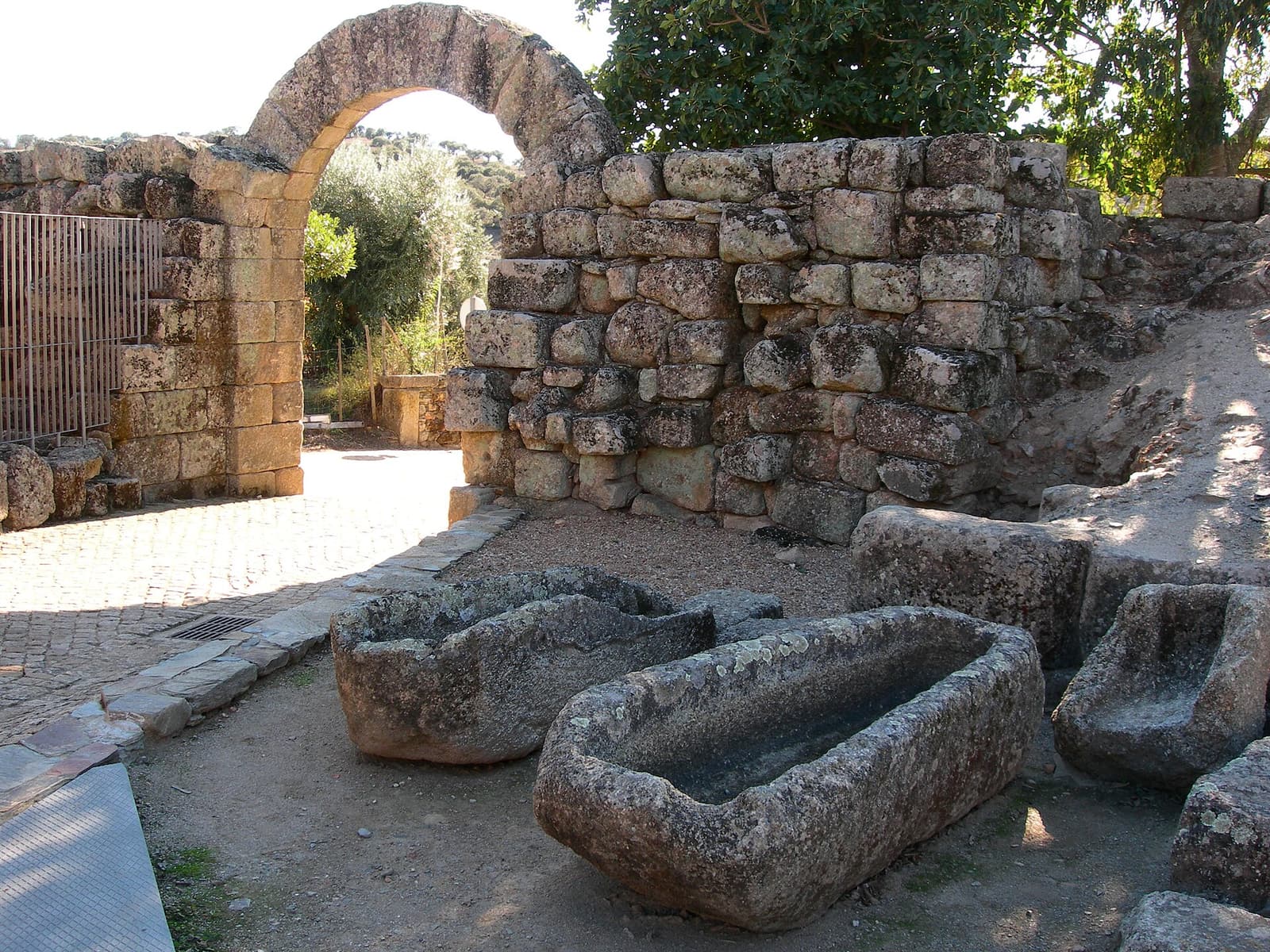
The settlement arose as the civitas Igaeditanorum, capital of the Igaeditani people, organised in the time of the Emperor Augustus, in the first century BC. Situated on a road axis between inland Lusitania and Mérida (Emerita Augusta), Egitânia was endowed with walls, a forum, public buildings and a bridge over the Pônsul. Vestiges of this period remain visible in the stretch of wall, in reused shafts and capitals, and in the vast collection of inscriptions gathered in the former beam-press oil mill, at the southeastern edge of the village. A more detailed reading of these material remains is developed in the page on the archaeology of Egitânia, which sets Idanha-a-Velha within Roman Portugal.
With Christianisation, Egitânia became the seat of a diocese: a bishop of Idanha took part in the Council of Lugo in 569, and the place name appears in documents of the sixth century. The bishopric gave the town an administrative and religious weight that placed it among the most important centres of the inland Beira during the Visigothic period.
Continuity of occupation is here the true monument: every church, tower or wall reuses materials from the previous phase, making the village a kind of palimpsest built up over twenty centuries.
The cathedral and the medieval legacy
The most remarkable building is the former cathedral, often called the Early Christian basilica. With a plan of three naves, separated by columns supporting arches — in part of Visigothic inspiration —, it brings together Early Christian, Visigothic and medieval elements, with shafts reused from earlier Roman constructions. This ensemble is treated in detail on the page dedicated to the Cathedral of Idanha-a-Velha.
The diocese of Egitânia was suppressed in the wake of the Muslim invasion of 715 and would only be restored, by then transferred, as the diocese of Guarda, in 1199. After the Reconquest, the territory was consolidated under the Portuguese Crown and, in 1319, King Dinis granted the settlement to the Order of Christ. From that period survives the Templar Tower, built upon the foundations of a Roman temple. The loss of episcopal status and the silting caused by floods of the Pônsul contributed to the decline that turned Idanha-a-Velha into a village, while settlement shifted to Idanha-a-Nova.
A place among historic villages
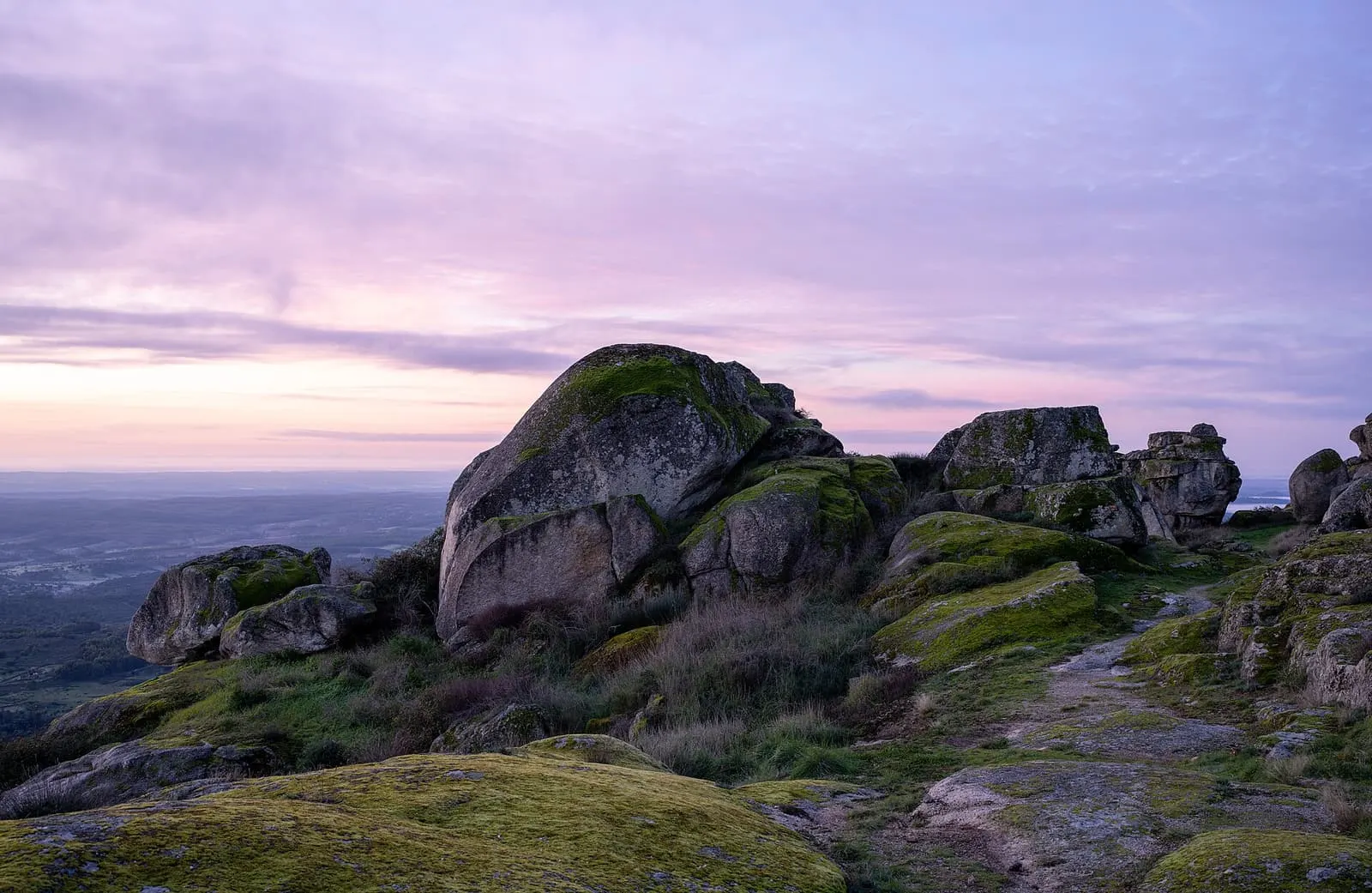
Idanha-a-Velha belongs to a group of granite settlements of the borderland and the highlands that preserve very ancient memories. Nearby stands Monsanto, famous for its houses wedged among enormous boulders, with which it shares the same parish. The journey through these villages, in the context of the Centre region, allows one to understand how the Portuguese inland frontier gradually took shape, from the Roman town to the medieval fortification. In Idanha-a-Velha, that stratification is all on view, within reach of anyone walking the narrow streets that still follow, in part, the layout of ancient Egitânia.
Frequently asked questions
- Where is Idanha-a-Velha?
- It lies in the parish of Monsanto e Idanha-a-Velha, municipality of Idanha-a-Nova, district of Castelo Branco, in the Beira Baixa, beside the Pônsul stream.
- What was the Roman name of Idanha-a-Velha?
- It was called Egitânia, capital of the civitas Igaeditanorum, founded in the time of Augustus, in the first century BC.
- What can you visit in Idanha-a-Velha?
- The highlights are the former cathedral (an Early Christian basilica), the surviving stretch of Roman wall, the Templar Tower and the beam-press oil mill housing the epigraphic collection.
Sources
Keep exploring
Heritage nearby
More places to discover from here. Approximate straight-line distances, within 50 km.