Monuments
Church of the Misericórdia of Porto
Mannerist and Baroque church on the Rua das Flores in Porto, with a façade by Nicolau Nasoni and home to the celebrated Fons Vitae panel.
- Location
- Porto, Porto
- Built
- 1555–1559; fachada 1750
- Style
- Maneirista e barroco
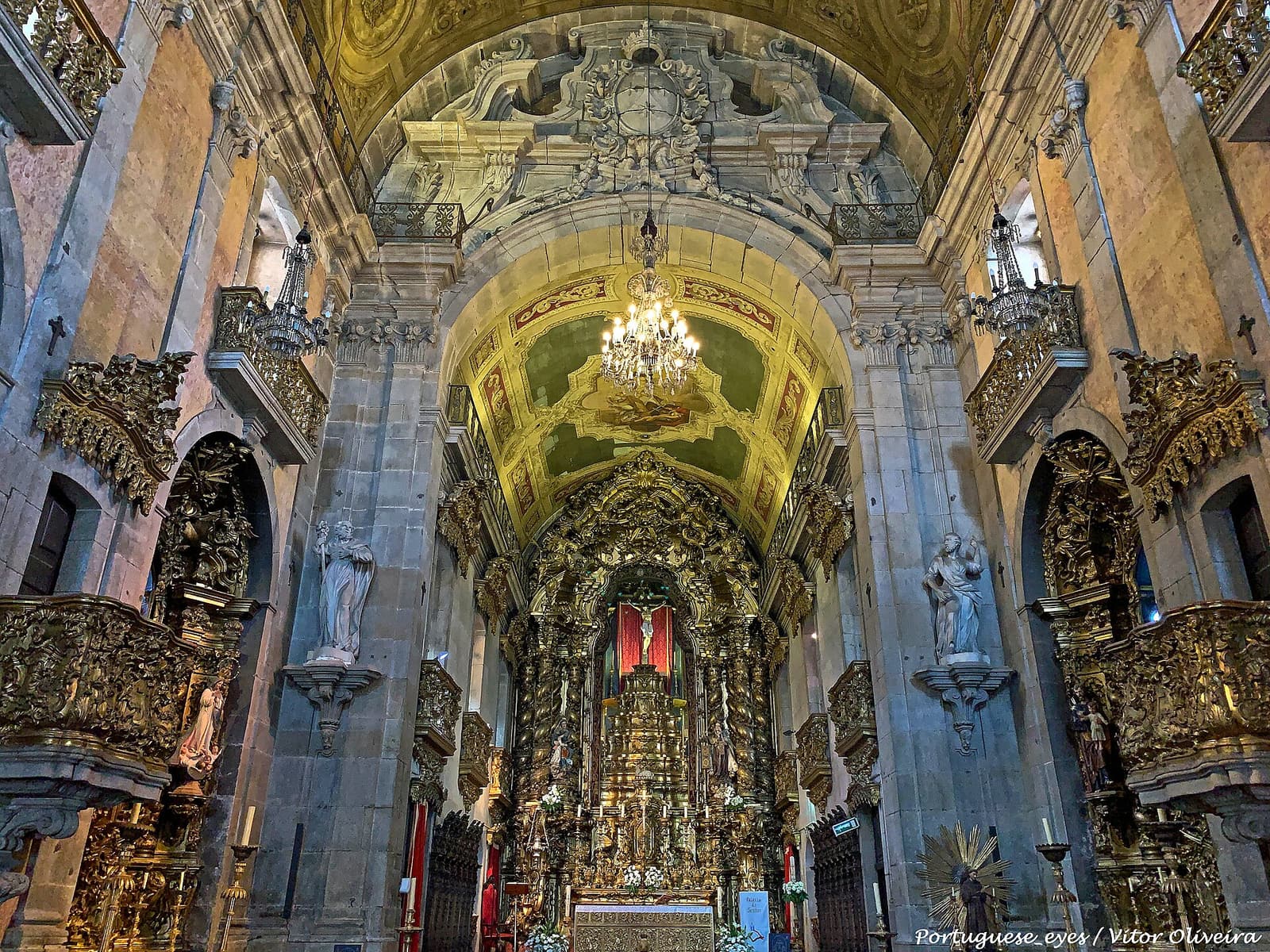
The Church of the Misericórdia of Porto stands halfway along the Rua das Flores, in the heart of the city’s historic centre, and forms the monumental nucleus of the Santa Casa da Misericórdia of Porto, an institution founded in 1499. The church combines a sixteenth-century Mannerist structure with an exuberant Baroque façade, making it one of the most remarkable examples of religious architecture in Porto. It has been classified as a Property of Public Interest since 1977.
Construction and remodelling
Construction of the church began in 1555, on a plot granted to the brotherhood in the then newly opened Rua das Flores, a noble thoroughfare of Porto’s Renaissance urban expansion. The church was blessed on 13 December 1559 and the chapel was completed in 1584, following a design of Mannerist character. In April 1621, a lightning strike destroyed part of the façade, opening a long cycle of works and repairs.
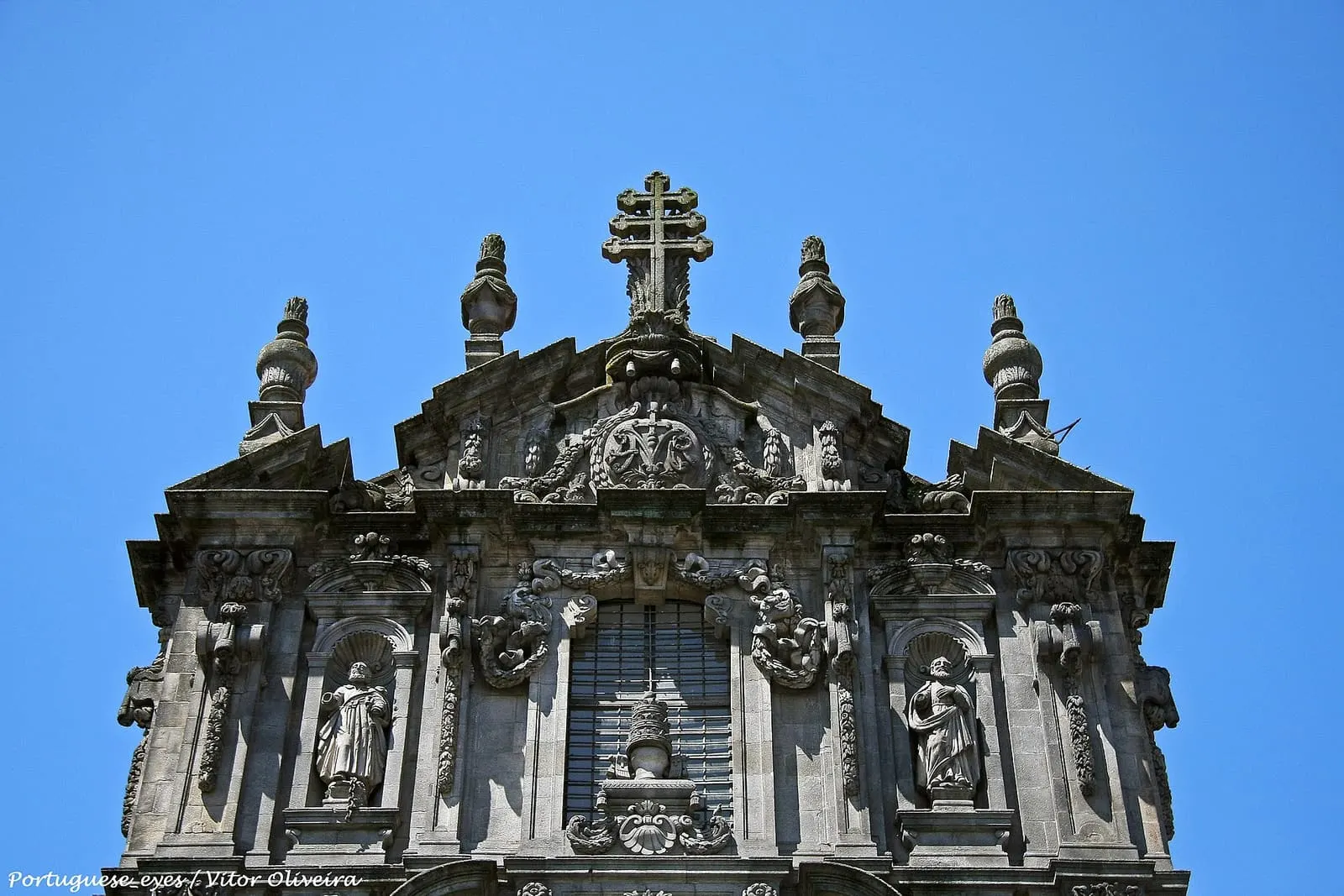
The great transformation of the building took place in the mid-eighteenth century. After the collapse of the vault in 1748, the Santa Casa undertook a thorough remodelling entrusted to the Italian architect Nicolau Nasoni, a central figure of the Baroque in northern Portugal and the author of the nearby Torre dos Clérigos. The new façade, dated 1750 by an inscription on the central arch, articulates columns, pediments, niches and carved granite decoration with Rococo details, in a scenographic interplay characteristic of the master. Inside, the tiles were renewed in 1866 and the images of the evangelists repainted in 1888.
The Fons Vitae panel
The greatest treasure associated with the church is the Fons Vitae (“Fountain of Life”) panel, a large-format Flemish panel — some 267 by 210 centimetres, oil on oak — dated to about 1515–1517 and attributed to the painter Colijn de Coter. The work depicts King Manuel I, kneeling with his family, beside the fountain of the blood of the crucified Christ, fusing Manueline royal iconography with the devotional theme of Calvary and the Pietà.
Probably commissioned in Flanders for the Porto Misericórdia, the Fons Vitae bears witness to the city’s vitality and its ties with northern Europe in the early sixteenth century. It is one of the most important Flemish paintings in Portugal and a landmark in the circulation of Portuguese primitives and Flemish works within the kingdom. The piece is today displayed in the institution’s museum.
The museum and its surroundings
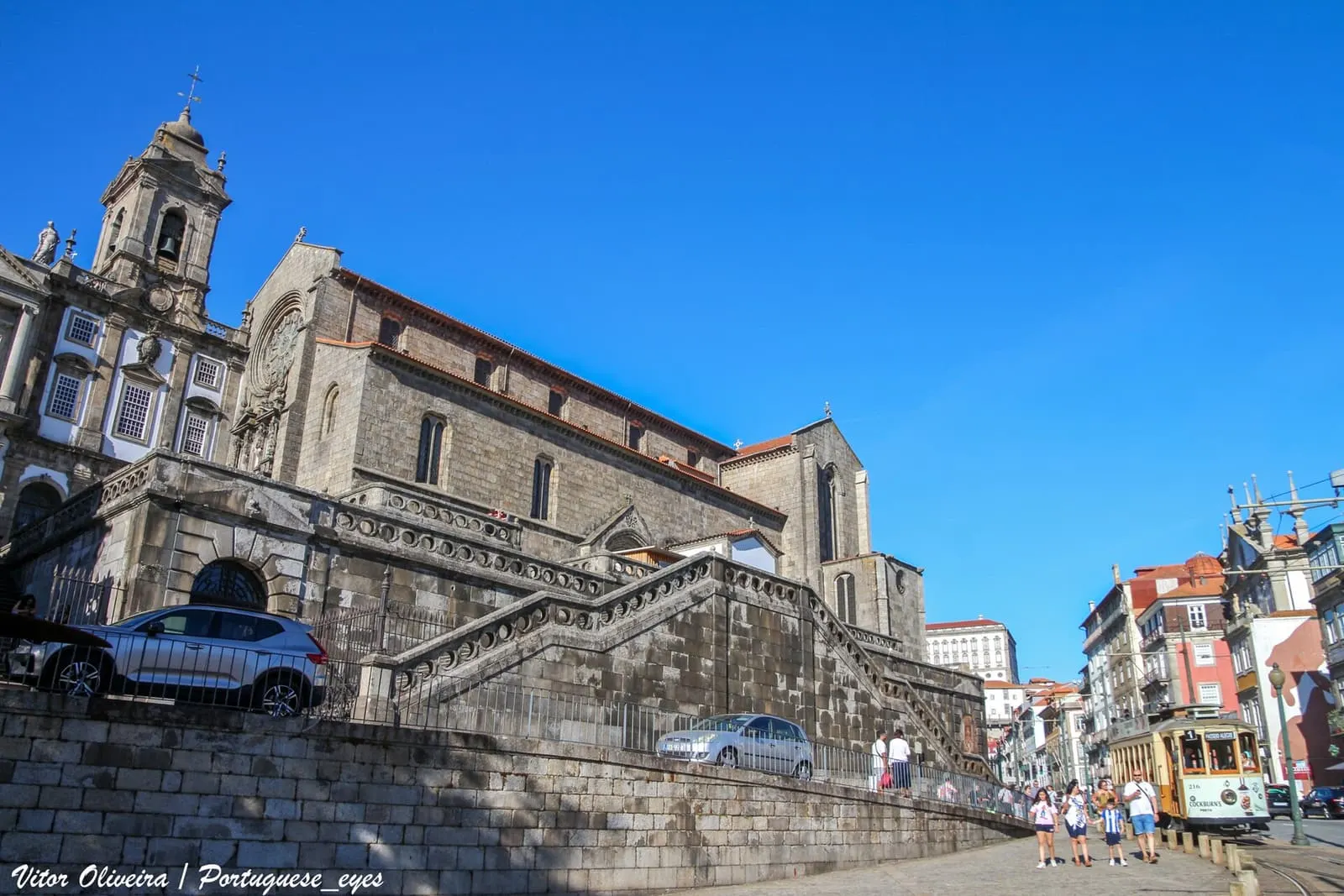
Since 2015, the church has formed part of the route of the MMIPO – Museum of the Misericórdia of Porto, which links the church, the Casa do Despacho and the collection of painting, goldwork and documentation gathered over centuries by the Santa Casa. Its location places it on the heritage trail of the lower town, a few steps from the Cathedral of Porto and the Church of São Francisco, in an ensemble that illustrates the richness of Mannerism in Portugal and of the Baroque in the city. The Rua das Flores, restored in recent decades, has restored visibility to this monument once somewhat forgotten.
Frequently asked questions
- Who designed the façade of the Church of the Misericórdia of Porto?
- The Baroque façade, dated 1750, is attributed to the Italian architect Nicolau Nasoni, author of the eighteenth-century intervention on the church.
- What is the Fons Vitae panel?
- It is a large Flemish panel of around 1515–1517, attributed to Colijn de Coter, depicting King Manuel I and the royal family beside the fountain of the blood of the crucified Christ.
- Can the church be visited?
- Yes. Since 2015 it has formed part of the route of the MMIPO – Museum of the Misericórdia of Porto, which brings together the church, the Casa do Despacho and the collection of the Santa Casa.
Sources
Keep exploring
Heritage nearby
More places to discover from here. Approximate straight-line distances, within 50 km.