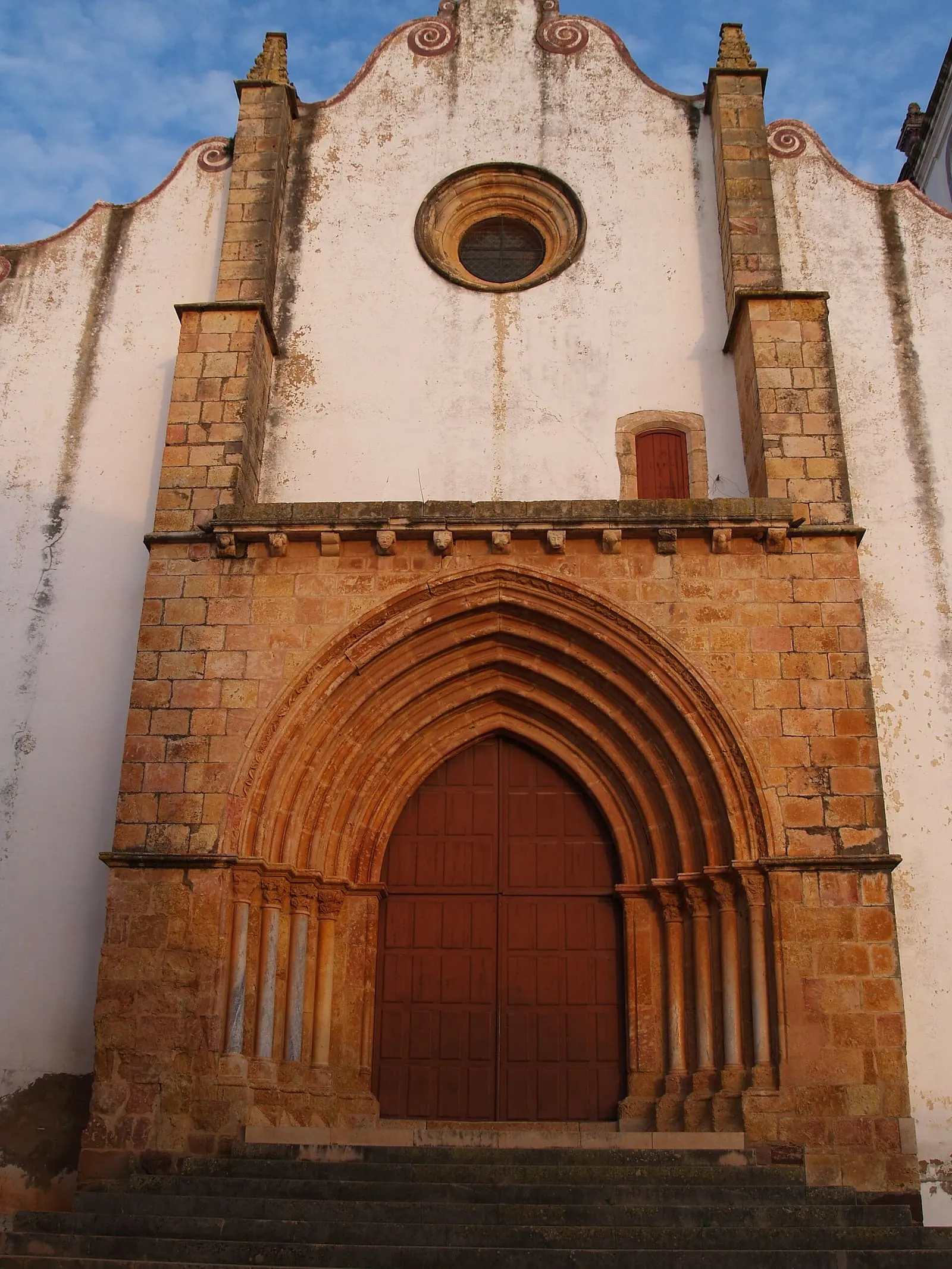
Places
Lagos
Lagos, the Algarve city of the Discoveries: its walls, the Church of Santo António, the Forte da Ponta da Bandeira and the former Slave Market.
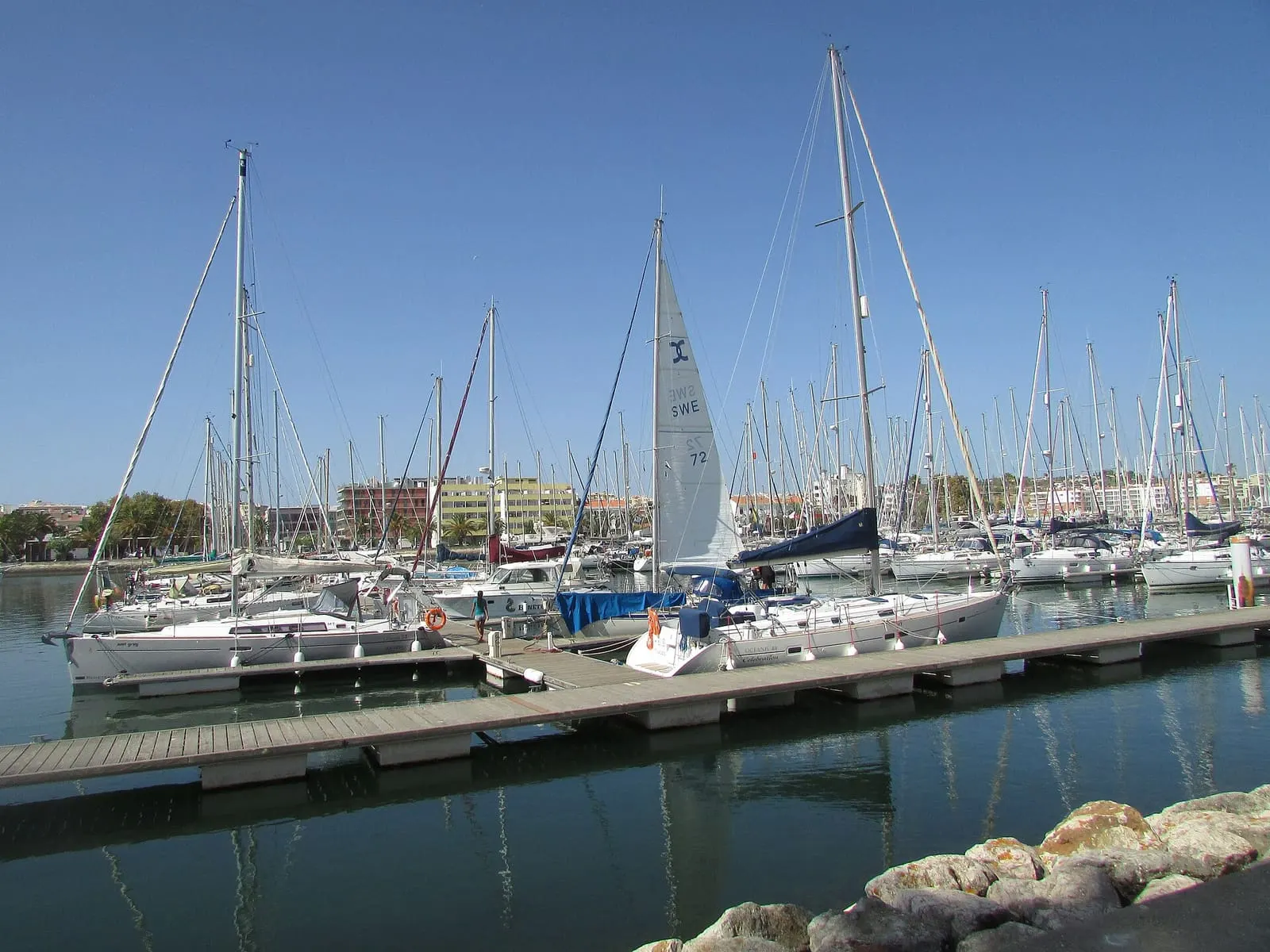
- Location
- Lagos, Faro
On the western coast of the Algarve, at the mouth of the Bensafrim stream and sheltered by the inlet of the Bay of Lagos, stands one of the most history-laden cities of the Portuguese seaboard. The seat of a municipality in the district of Faro, Lagos owes its character to a superimposition of eras: the pre-Roman settlement of Lacobriga, the walled medieval port and, above all, the central role it played in the maritime epic of the fifteenth and sixteenth centuries.
From Roman Lacobriga to the sixteenth-century city
Human occupation of the site dates back to pre-Roman times, with the settlement of Lacobriga, later incorporated into the network of southwestern towns under Roman rule. With the Reconquista and definitive integration into the kingdom of Portugal, Lagos established itself as a major Atlantic port. King Pedro I granted it its own jurisdiction in 1361 and, in 1573, King Sebastião raised it to the status of a city — a rare distinction in the Algarve of the time and a reflection of the economic and military weight of the port.
Prosperity was rendered in stone. The town walls, expanded over the centuries, enclosed the ancient perimeter and connect to the broader tradition of Portuguese town walls that defended coastal cities against corsairs and enemy fleets.
The port of the Discoveries
It was from Lagos that Prince Henry the Navigator organised and dispatched much of the expeditions to the African coast. Its strategic position, facing the Atlantic and close to the promontory of Sagres, made the city a point of departure and arrival for the caravels that opened up navigation along the coast of Guinea.
This prominence has a darker reverse side. In 1444 the first public sale of enslaved Africans brought by sea took place in Lagos, in the building today known as the Slave Market — considered the first slave market of colonial Europe. The space now houses a museum centre that confronts the visitor with this dimension of the history of expansion.
The nautical greatness of Lagos and the tragedy of the trade in enslaved people were born of the same port and the same impulse of expansion — an ambivalence the city does not conceal.
Baroque, fortifications and the earthquake of 1755
In the urban heart, the Church of Santo António preserves one of the most sumptuous Baroque interiors in Portugal, clad in gilded woodwork, eighteenth-century azulejos and illusionistic ceiling paintings. Built at the beginning of the eighteenth century as the chapel of the Lagos Infantry Regiment, it was severely damaged by the earthquake of 1755 and rebuilt in 1769.
Beside the riverfront, the Forte da Ponta da Bandeira, built between 1679 and 1690, formed part of the system of maritime fortifications that defended what was then the capital of the military government of the Algarve. Small but well sited, it is one of the most photographed examples of the group of coastal forts along the Algarve seaboard.
The earthquake and tsunami of 1755 marked a rupture. The waves that surged across the bay razed part of the city and shook its regional primacy, with the capital of the Algarve passing to Faro. Despite the losses, Lagos preserved a remarkable heritage that continues to bear witness to centuries of Atlantic prominence, on an Algarve itinerary that extends to the castle of Silves and to other stops in the Algarve.
Frequently asked questions
- Why is Lagos known as the city of the Discoveries?
- It was from Lagos that Prince Henry the Navigator organised and dispatched many of the expeditions to the coast of Africa in the fifteenth century. The navigator lived for much of his time in the region, and the city served as a logistical base for Portuguese maritime expansion.
- What can you visit in Lagos?
- Highlights include the Church of Santo António, with one of the richest Baroque interiors in the country, the Forte da Ponta da Bandeira, the medieval and sixteenth-century walls, and the building of the former Slave Market.
- Was Lagos the capital of the Algarve?
- Yes. Lagos was the seat of the military government of the Algarve and the capital of the province until the earthquake of 1755, which devastated the city and led to the transfer of the capital to Faro.
Sources
Keep exploring
Heritage nearby
More places to discover from here. Approximate straight-line distances, within 50 km.