Places
Castelo Rodrigo
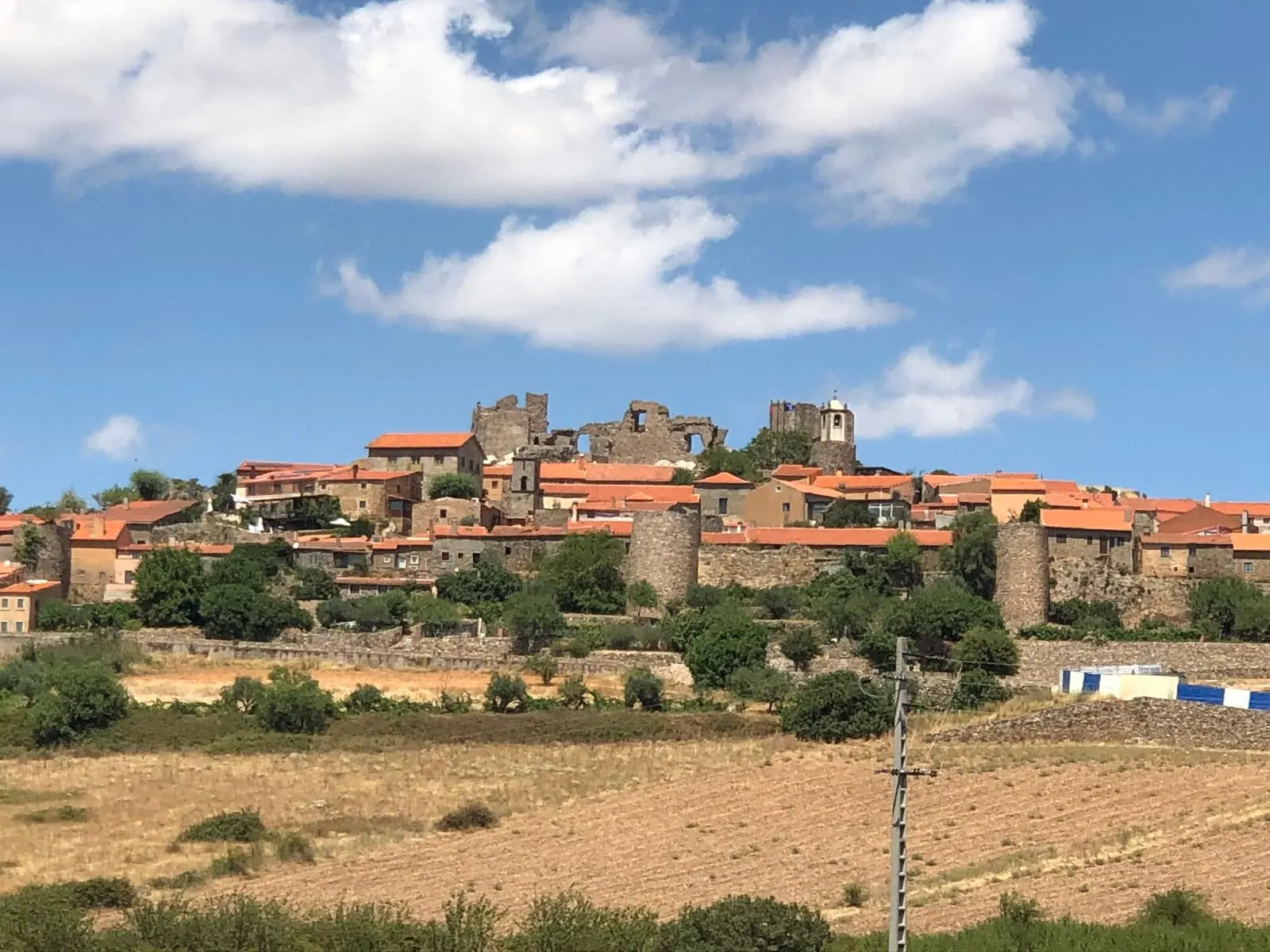
Castelo Rodrigo, a historic walled village atop the Serra da Marofa, in the district of Guarda, close to the borderland frontier with Spain.
- Location
- Castelo Rodrigo, Guarda
- Built
- séc. XIII
- Style
- medieval, gótico e manuelino
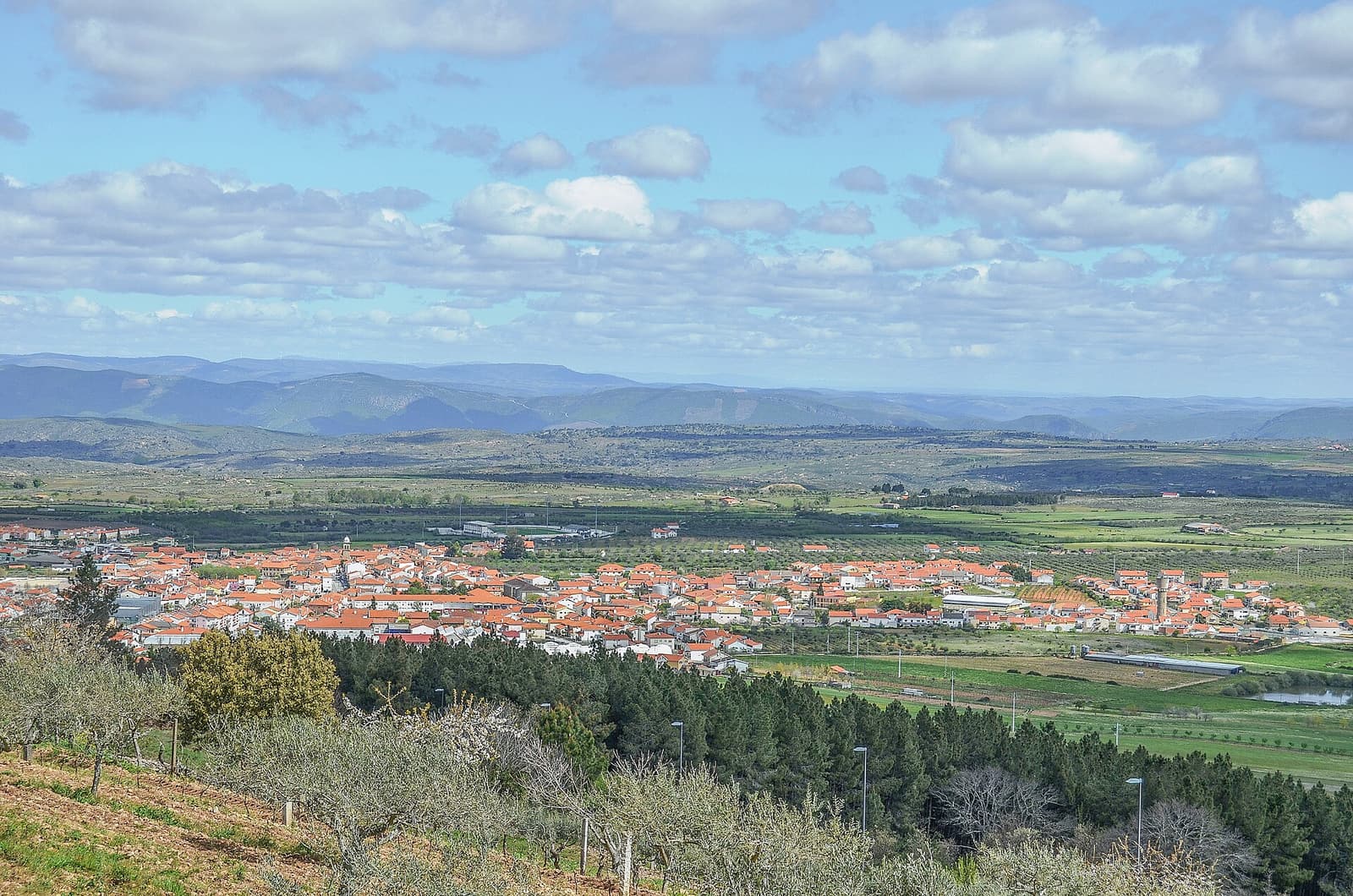
On an isolated hilltop of the Serra da Marofa, at around 820 metres above sea level, Castelo Rodrigo raises its tightly packed houses within a girdle of walls. A few kilometres from the Spanish border, the village commands a vast horizon of plateaux, vineyards and the deep-set valley of the Douro, a position that explains its centuries-old role as a sentinel of the Beira frontier. Today it belongs to the municipality of Figueira de Castelo Rodrigo, in the district of Guarda, but for centuries it was itself the head of a broad frontier territory.
A contested frontier
The settlement occupies a site inhabited since remote times, with traces reaching back to the Palaeolithic, but its identity took shape in the Middle Ages, amid the dispute between León, Castile and Portugal. Castelo Rodrigo received a charter from King Sancho I in 1209, still under Leonese influence, and only passed definitively to the Portuguese crown in 1297, through the Treaty of Alcañices, in the reign of King Dinis, which fixed much of the Luso-Castilian border that we still recognise today.
Its borderland condition shaped the village’s destiny. During the dynastic crisis of 1383–1385, the town is said to have taken Castile’s side; according to tradition, King João I ordered the arms of the kingdom to be reversed in the local heraldry as a punishment for disloyalty — a detail still recalled in the town’s coat of arms.
Few places condense the history of the frontier so well: here, every wall and every coat of arms was raised with the enemy on the other side of the line in mind.
The monumental ensemble
Within the walled enclosure, the castle of Castelo Rodrigo presides over the houses with its enceinte and medieval towers, rebuilt time and again. A few steps away open the parish church, of Gothic origin, and the remarkable cistern-well, a vaulted underground structure that ensured the water supply in times of siege. The pillory, a symbol of municipal autonomy, recalls that between 1209 and 1836 Castelo Rodrigo was the seat of a municipality, before the administrative authority passed to neighbouring Figueira de Castelo Rodrigo.
The most dramatic piece of the ensemble is the ruins of the palace of Cristóvão de Moura, a nobleman who served Philip II of Spain and was made Marquis of Castelo Rodrigo during the Iberian Union. When the Restoration of independence came, in 1640, the population rose up against the pro-Castilian lord and set fire to his palace; the scorched walls that survive remain, to this day, a living memory of that reckoning.
A historic village and its surrounding landscape
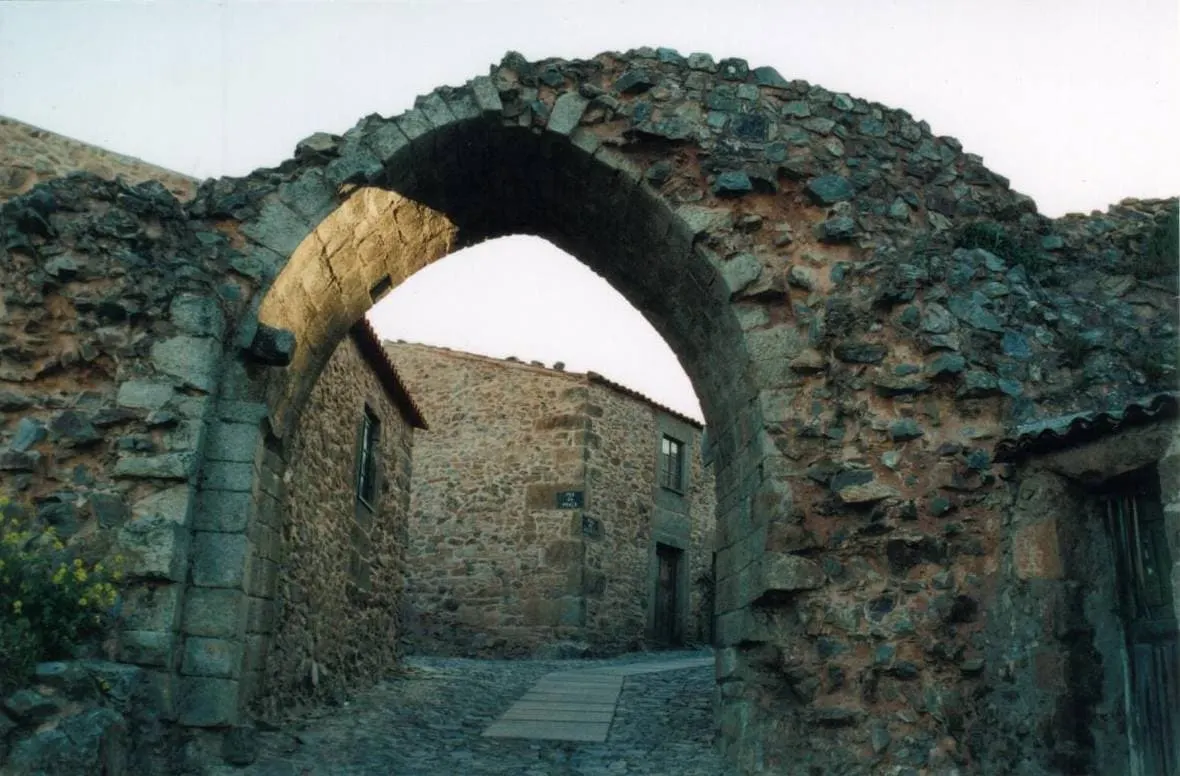
In 1991, Castelo Rodrigo joined the network of the Historic Villages of Portugal, which made it possible to restore streets, armorial houses and Manueline windows that had withstood depopulation. The route through the cobbled lanes reveals carved thresholds, arches and stonework that bear witness to the town’s sixteenth-century prosperity.
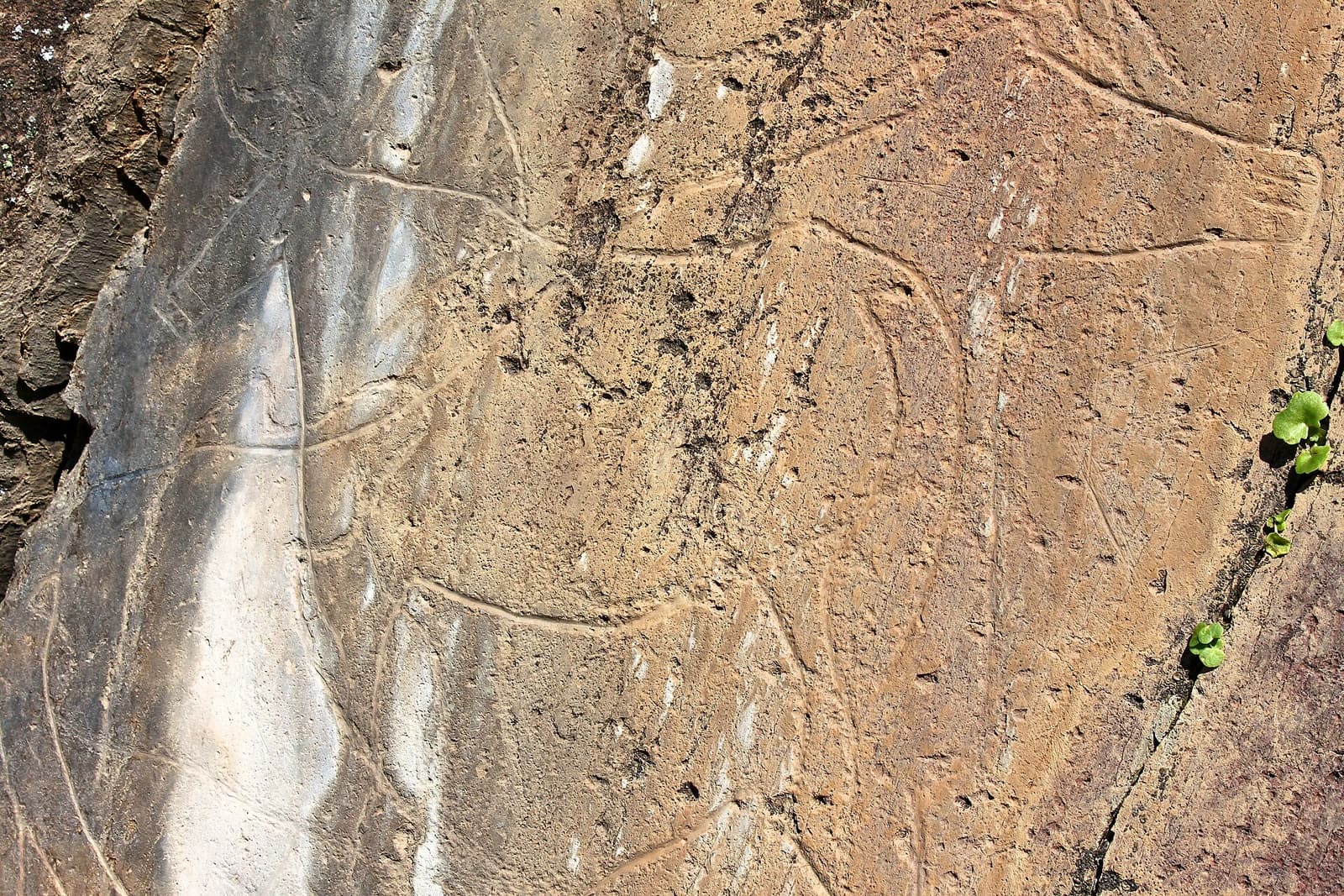
The village also serves as a gateway to an exceptional natural territory. Around it stretch the Douro Internacional Natural Park, the Serra da Marofa and the Faia Brava reserve, and a short distance away lies the archaeological world of the Côa Valley, with its Palaeolithic rock art. Further south, along the same frontier strip, rises another great borderland stronghold, the castle of Almeida, whose bastioned fortification completes the defensive system of the Beira Interior.
Visited in the late afternoon, when the raking light sets the granite stone ablaze, Castelo Rodrigo restores the rare sensation of a medieval settlement suspended in time, faithful to the severe and luminous landscape that saw it born.
Frequently asked questions
- Where is Castelo Rodrigo?
- Castelo Rodrigo lies in the municipality of Figueira de Castelo Rodrigo, in the district of Guarda, in the north-east of the Beira Alta, on a hilltop of the Serra da Marofa, very close to the border with Spain.
- Why is Castelo Rodrigo a Historic Village of Portugal?
- It has been part of the network of the Historic Villages of Portugal since 1991, on account of its intact walled medieval core, its castle, its Gothic cistern and its ensemble of armorial houses that document centuries of life on the frontier.
- What is there to see within the walls?
- The highlights are the castle and the walled enclosure, the parish church, the Gothic cistern-well, the pillory and the ruins of the palace of Cristóvão de Moura, burned down in 1640.
Sources
Keep exploring
Heritage nearby
More places to discover from here. Approximate straight-line distances, within 50 km.