Places
Figueira de Castelo Rodrigo
Figueira de Castelo Rodrigo, a border municipality in the district of Guarda, in the Riba Côa region, home to the historic village of Castelo Rodrigo and the…
- Location
- Figueira de Castelo Rodrigo, Guarda
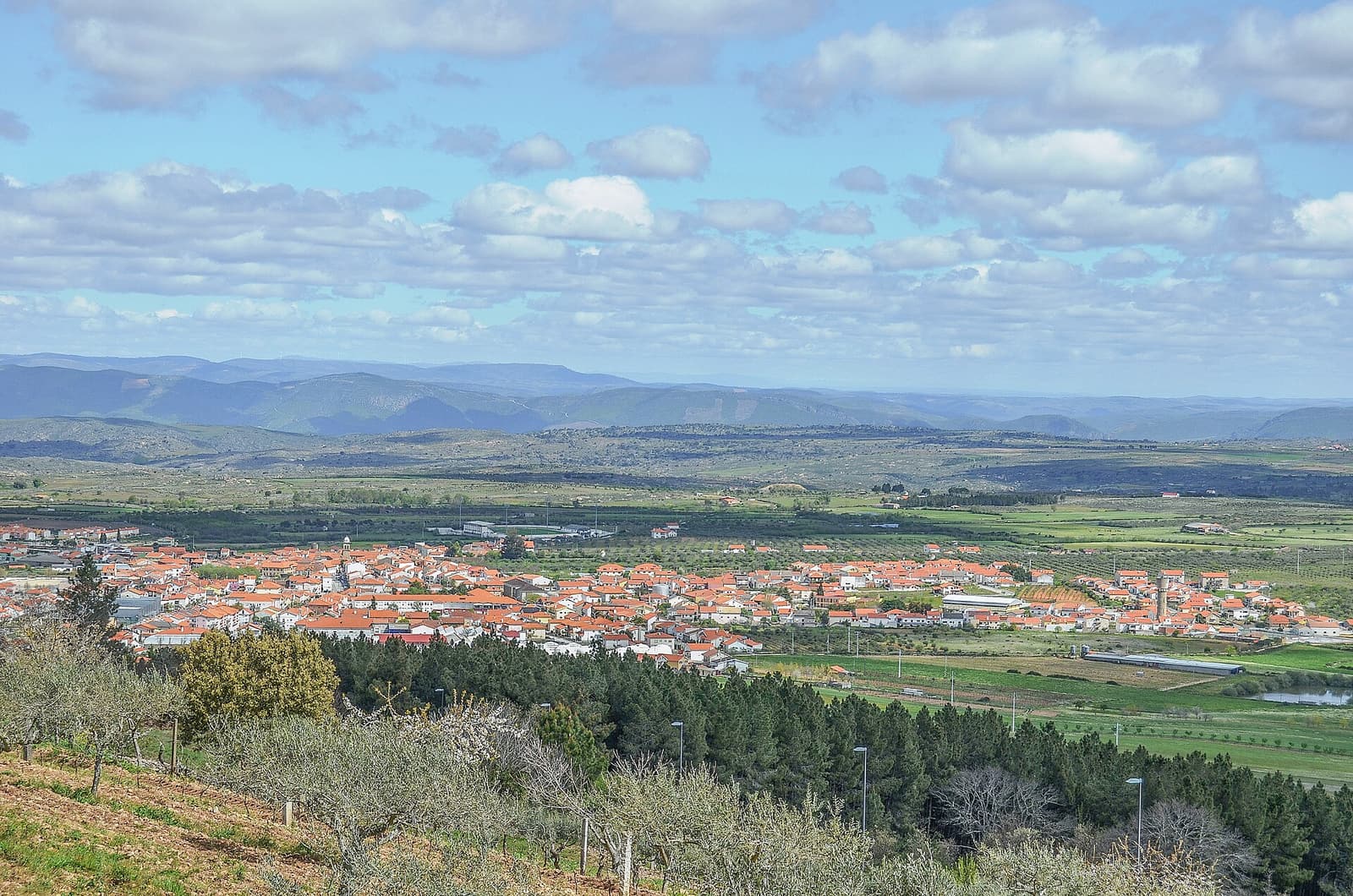
Figueira de Castelo Rodrigo is a border municipality in the north-east of the district of Guarda, in the Centro region, situated in the sub-region of Riba Côa, at the edge of the Upper Douro. It borders Spain to the east and extends over some 509 km², across a landscape of plateaus, vineyards and almond groves shaped by the proximity of the River Côa and the River Douro. The municipal seat is the town of Figueira, but the historical memory of the territory is concentrated above all in the neighbouring village of Castelo Rodrigo, which for more than six centuries was the head of the municipality.
A borderland
During the Middle Ages the settlement of this part of Riba Côa was disputed between the kingdoms of León and Portugal. The charter granted by Alfonso IX of León in 1209 established Castelo Rodrigo as a Leonese stronghold, and only with the Treaty of Alcanizes in 1297, during the reign of King Dinis, did the territory pass definitively to the Portuguese crown. This frontier condition shaped the built landscape: walls, watchtowers and fortified settlements multiplied along the border, making the region part of a defensive system that extends southwards to Almeida and the border highlands.
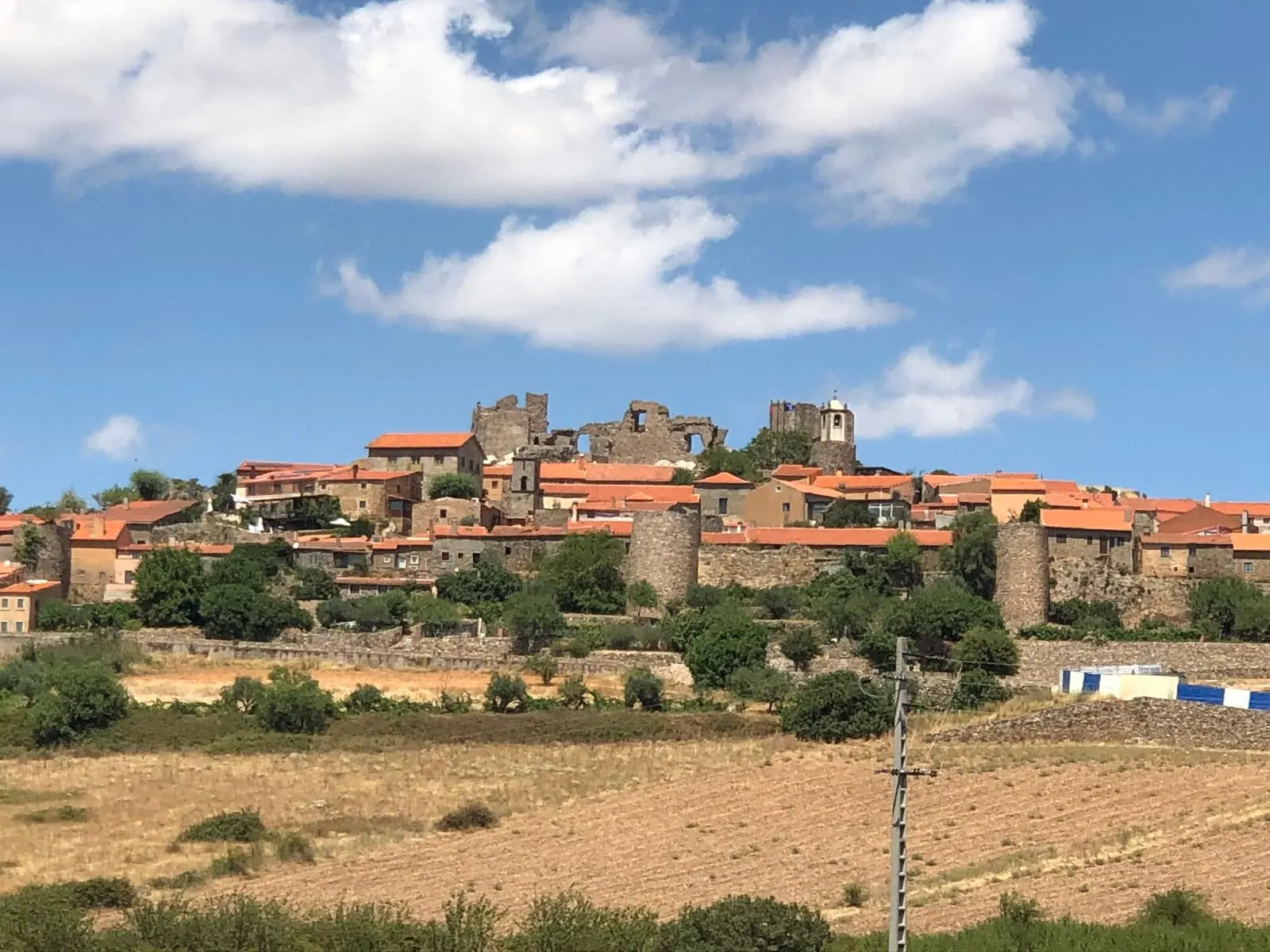
The transfer of the municipal seat from Castelo Rodrigo to Figueira took place in 1836, when the old walled town, in demographic decline, ceded administrative pre-eminence to a more accessible settlement at the bottom of the valley. Castelo Rodrigo nonetheless preserved its medieval core, today one of the historic villages of Portugal.
The built heritage
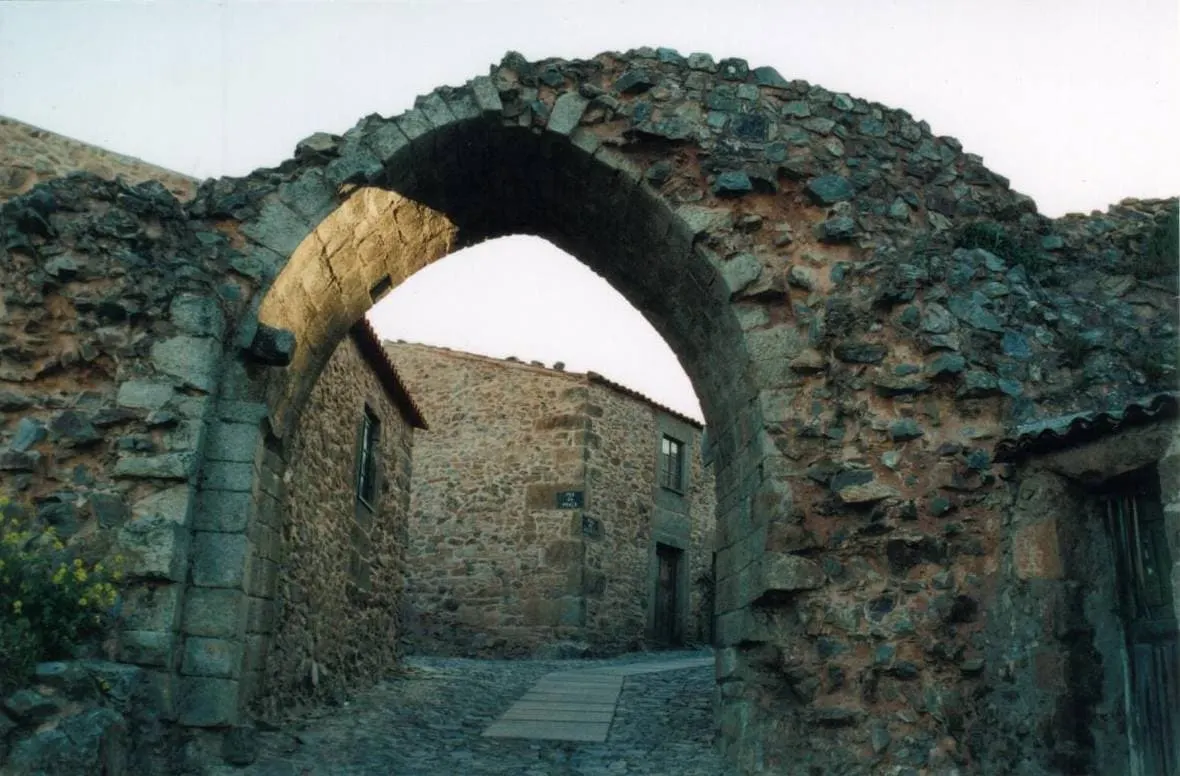
The most remarkable ensemble in the municipality is the village of Castelo Rodrigo, whose ring of walls and accompanying castle have been classified as a National Monument since 1922. Within the walled precinct stand the Manueline cage-pillory, ashlar houses with sixteenth-century openings and Mudéjar influences, and the ruins of the palace of Cristóvão de Moura, a nobleman who supported Philip II of Spain and whose residence was set alight by the populace during the Restoration of 1640. The defensive structure is described in greater detail on the page for the Castle of Castelo Rodrigo.
A few kilometres away rises the Convent of Santa Maria de Aguiar, a Cistercian foundation of the late twelfth century that forms part of the order’s network of houses in Portugal and belongs to the Cistercian routes in Portugal. The monastic building, of Romanesque roots and later remodellings, bears witness to the monastic expansion that accompanied the consolidation of the frontier. Scattered across the parishes there also survive parish churches, chapels and Roman remains, among them inscribed altars that document the ancient occupation of the civitas cobelcorum.
Landscape and territory
The highest point of the municipality is the Serra da Marofa, which reaches some 977 metres and offers broad horizons over the Beira plateau and the Douro valley; on its summit a statue of Christ the King was erected in 1956. To the north, beside the Douro, the Faia Brava Reserve protects escarpments and birds-of-prey habitats, in one of the most ecologically valuable territories in the region.
The town of Figueira de Castelo Rodrigo, seat of the municipality, lies at about 40.90° N and 6.97° W, at an altitude of around 630 metres. The municipality is part of the Centro region of Portugal — see centro — sharing with the neighbouring municipalities of Riba Côa a common identity as a borderland, marked by rural depopulation and a medieval heritage intensely bound up with the history of the Luso-Castilian frontier.
Frequently asked questions
- In which district is Figueira de Castelo Rodrigo located?
- It lies in the district of Guarda, in the Centro region, close to the border with Spain, in the sub-region of Riba Côa (Upper Douro).
- What is the municipality's main heritage attraction?
- The historic village of Castelo Rodrigo, with its ring of medieval walls classified as a National Monument, is the municipality's principal heritage site.
- When was the municipality of Figueira de Castelo Rodrigo created?
- The seat of the municipality was transferred from Castelo Rodrigo to the town of Figueira in 1836, during the reign of Queen Maria II.
Sources
Keep exploring
Heritage nearby
More places to discover from here. Approximate straight-line distances, within 50 km.