Places
Estremoz
Estremoz, the white city of Central Alentejo: a medieval castle, the Tower of the Three Crowns, marble and the UNESCO-recognised Bonecos de Estremoz clay figures.
- Location
- Estremoz, Évora
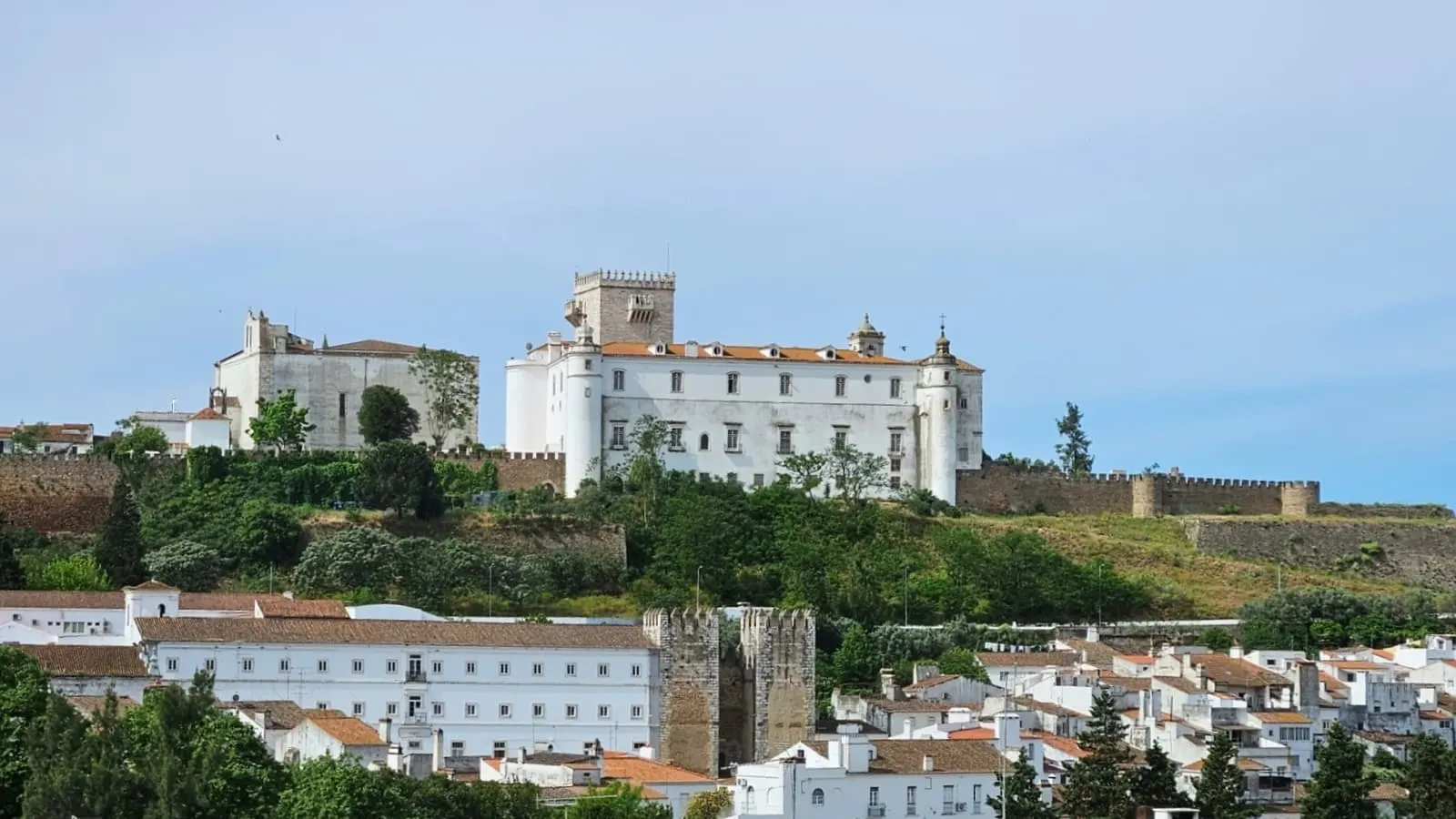
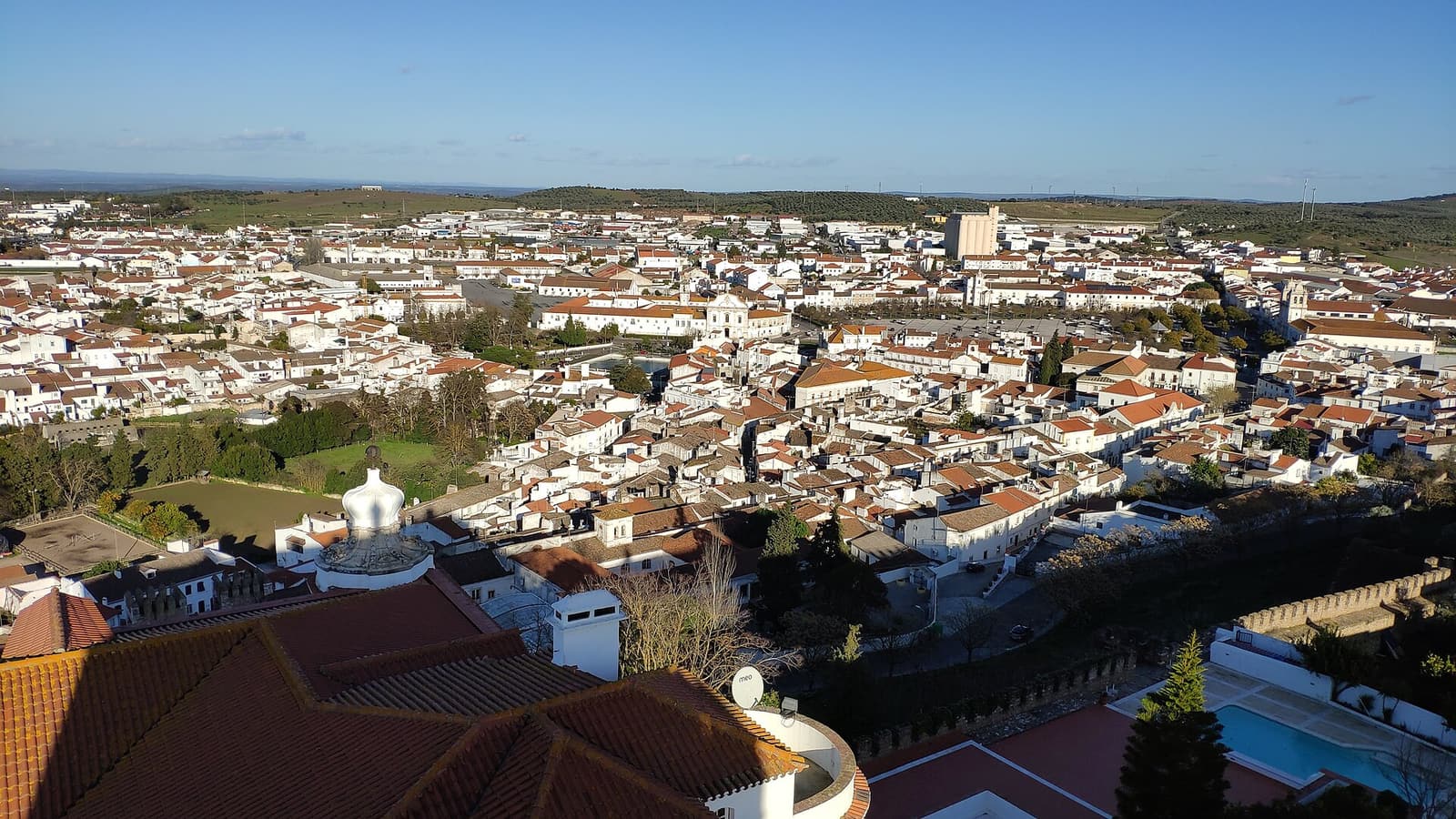
Estremoz is a town in Central Alentejo, seat of a municipality in the district of Évora, known throughout the country as the “white city”. The name captures two of its strongest features: the pale houses covering the hill crowned by the castle and, above all, the deposits of white marble that run beneath the region and that have made the name of Estremoz internationally renowned. Set on a high point of the plain, the historic town commands a horizon of vineyards, cork oak and holm oak woodlands, olive groves and quarries, with the Serra d’Ossa closing the landscape to the west.
A frontier stronghold
The Christian consolidation of Estremoz followed the expulsion of the Muslims from the region in the mid-twelfth century, in the context of the conquest of Évora by Geraldo Geraldes, the Fearless. The settlement received its charter in the thirteenth century and soon took on military importance, integrated into the network of strongholds that guarded the kingdom’s frontier against Castile. The monumental ensemble of the citadel — walls, gates and the keep — would attain the status of National Monument, a testimony to the defensive role of the town throughout the Middle Ages and the early modern period.
The heart of this fortification is the white marble keep of Estremoz castle, known as the Tower of the Three Crowns. The name evokes the tradition that its construction stretched across three successive reigns — those of Afonso IV, Pedro I and Fernando — which also earned it the standing of one of the most remarkable medieval Portuguese towers built entirely in marble.
The queen and the royal memory
Estremoz was bound to the court and the royal memory of Portugal. In the citadel lived, at different periods, Queen Saint Isabel of Aragon, wife of King Dinis and one of the most venerated figures in the nation’s history, who died here in 1336. Devotion to the queen left lasting marks on the town, from the chapel that recalls her sojourn to the depictions that local artisans still dedicate to her today.
Few Alentejo towns condense within so small a space a frontier fortress, the memory of a saintly queen and a craft tradition recognised by humanity.
Marble and clay: two crafts of Estremoz
Estremoz Marble is the material that best identifies the territory. The stone quarried in the so-called Estremoz Anticline feeds an economic sector of great reach: the Alentejo makes Portugal one of the world’s largest exporters of this material, and marble from here has travelled since Antiquity — it is present, for example, in the Roman Temple of Évora and in altars and facings of monuments throughout the region.
To marble is added clay. The production of clay figures from Estremoz, popularly known as the Bonecos de Estremoz, is a tradition of centuries-old roots, with a technique documented since at least the seventeenth century. These small polychrome figures — nativity scenes, Spring, Love is Blind or Queen Saint Isabel herself — draw on rural Alentejo daily life. In 2017 they became the first clay figures in the world to be inscribed on UNESCO’s Representative List of the Intangible Cultural Heritage of Humanity, a distinction that carried the figurative and clay craft of Estremoz beyond the national borders.
Visiting Estremoz and the region
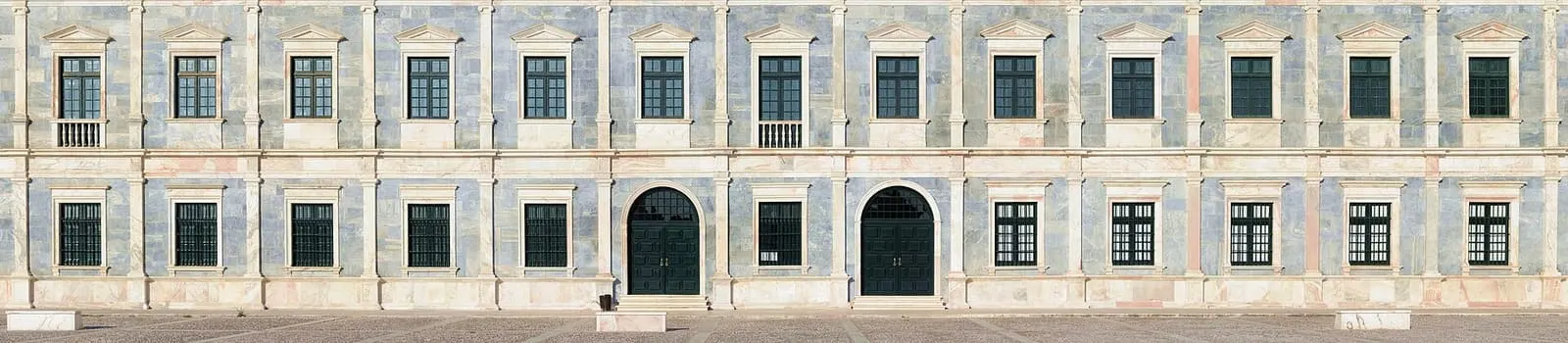
The town is organised around two centres: the medieval upper city, around the castle and the former citadel, and the lower part, with the busy Rossio — the Rossio Marquês de Pombal — where the traditional Saturday market is held, a showcase of local produce and crafts. Estremoz fits naturally into a tour of the Alentejo that may extend to Vila Viçosa, the neighbouring ducal town, equally associated with marble and the House of Bragança.
Frequently asked questions
- Why is Estremoz called the white city?
- The epithet stems from the pale colour of its houses and, above all, from the region's deposits of white marble, the celebrated Estremoz Marble, which shapes the architecture and landscape of the municipality.
- What is the Tower of the Three Crowns?
- It is the keep of Estremoz castle, raised in white marble. It owes its name to the fact that its construction spanned three reigns: those of Afonso IV, Pedro I and Fernando.
- Are the Bonecos de Estremoz a UNESCO heritage item?
- Yes. The production of clay figures from Estremoz was inscribed in 2017 on UNESCO's Representative List of the Intangible Cultural Heritage of Humanity, making it the first clay figurative craft in the world to receive such a distinction.
Sources
Keep exploring
Heritage nearby
More places to discover from here. Approximate straight-line distances, within 50 km.