Monuments
Military Field of São Jorge (Battlefield of Aljubarrota)
Military Field of São Jorge: the battlefield of Aljubarrota (1385), a National Monument, with wolf pits, the Chapel of São Jorge and an interpretation centre.
- Location
- Calvaria de Cima, Porto de Mós, Leiria
- Built
- 1385 (sistema defensivo); capela de 1393
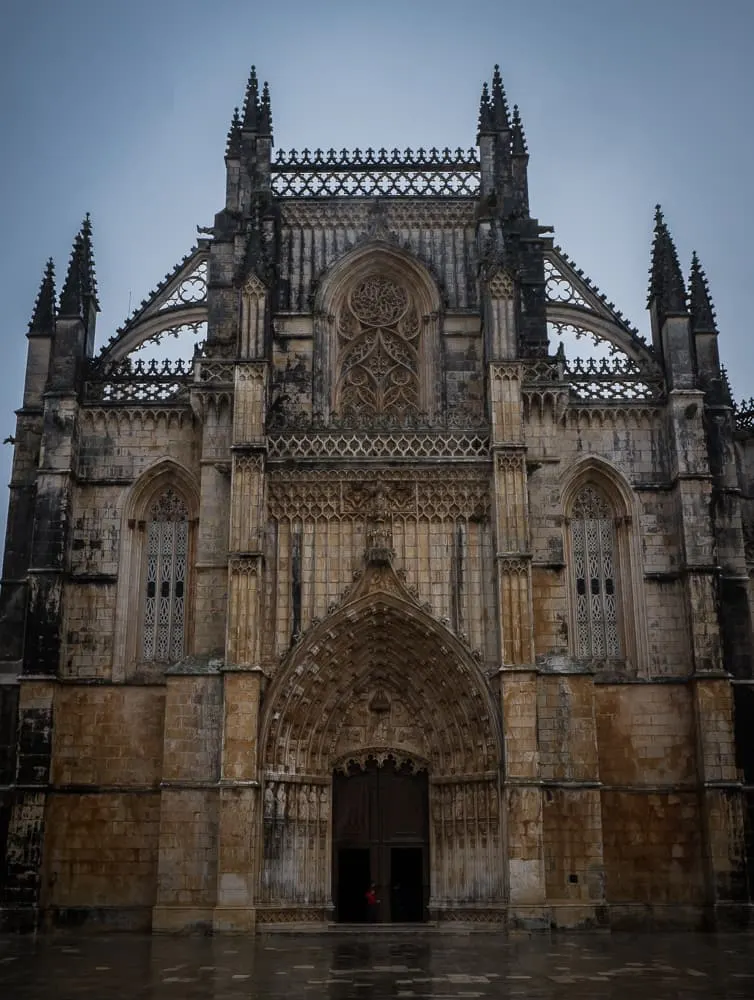
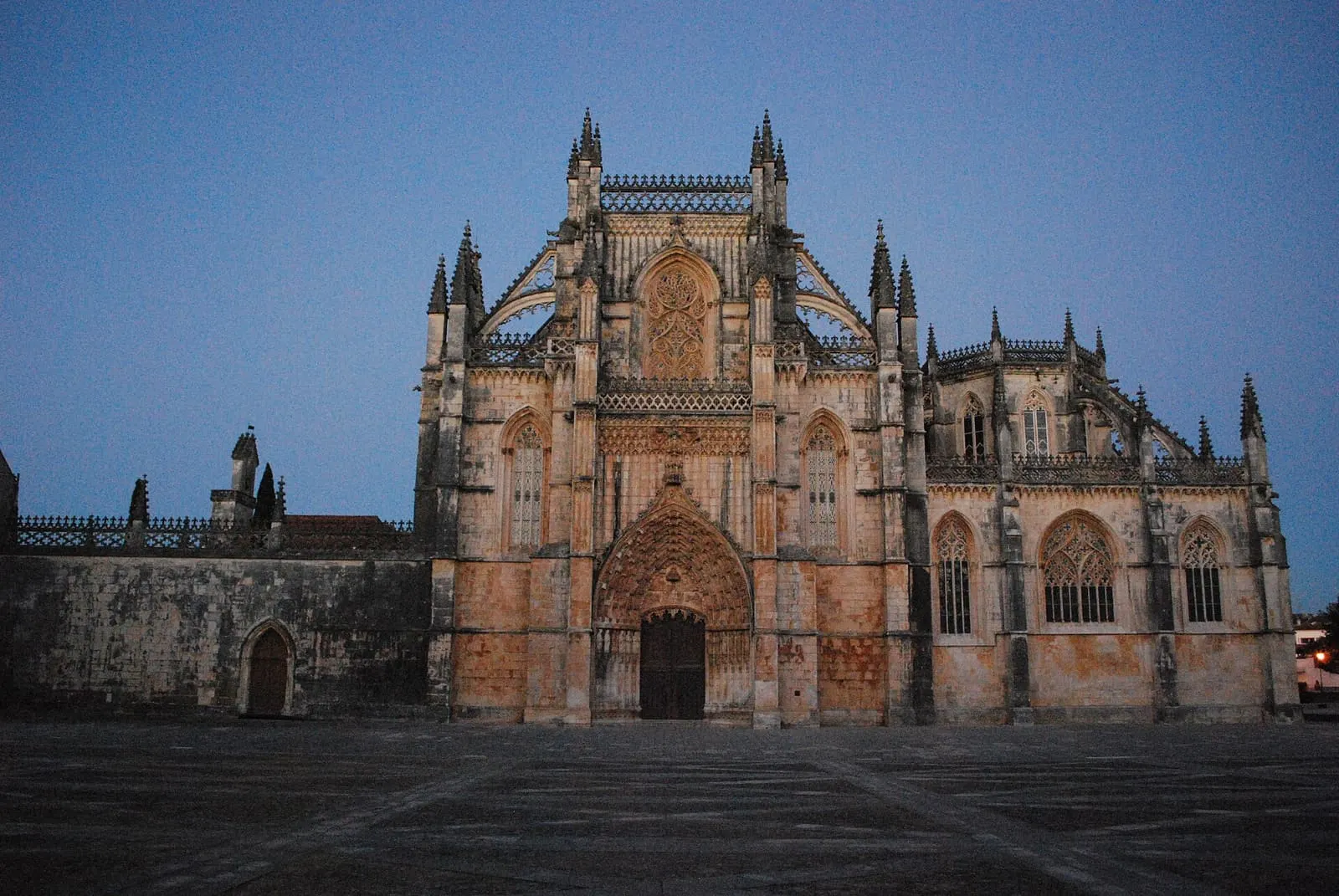
The Military Field of São Jorge is the field where the Battle of Aljubarrota was fought, on 14 August 1385. It lies on a plateau between the municipalities of Batalha and Porto de Mós. There, the army of D. João I and D. Nuno Álvares Pereira defeated the Castilian army, which had relied on a system of ditches and wolf pits that archaeology brought back to light in the 20th century. Today the site combines a National Monument, a medieval chapel and an interpretation centre. A few kilometres away stands the Monastery of Batalha, raised in thanksgiving for the victory.
14 August 1385
The battle brought an end to the succession crisis of 1383–1385 and consolidated D. João I, Master of Avis, as king of Portugal, the first of the House of Avis. Decree No. 18/2010 places the clash on a plateau between the Boutaca bridge, in the municipality of Batalha, to the north, and Chão da Feira, in Porto de Mós, to the south. The Portuguese army first took up position on a spur overlooking the Calvaria and Vale da Mata streams. The battle was fought about three kilometres to the south, on the ground of São Jorge.
The same decree links the battle to a novel military tactic, refined during the Hundred Years’ War and put into practice by D. Nuno Álvares Pereira: protecting the position with obstacles dug into the ground. Contemporary accounts point in the same direction. The Fundação Batalha de Aljubarrota cites a letter from King D. Juan I of Castile to the city of Murcia, which speaks of a ditch in front of the Portuguese. It also cites the chronicler Jean Froissart, who heard a combatant describe a «great ditch» between the two armies. The foundation notes that the chronicle of Fernão Lopes does not mention these obstacles.
To follow the story of the victory up to the royal vow that gave rise to the monastery and the town, see also the page on Batalha.
Two classified nuclei
The field of the Battle of Aljubarrota and surrounding area, also known as the Military Field of São Jorge of Aljubarrota, was classified as a National Monument by Decree No. 18/2010 of 28 December (Diário da República, 1st series, No. 250). The classification covers two positions, which the Cultural Heritage register designates as nuclei:
- Nucleus 1, the first position of the Portuguese army, at the locality of Quinta do Fidalgo, parish and municipality of Batalha;
- Nucleus 2, the second defensive position, at the locality of São Jorge, parish of Calvaria de Cima, municipality of Porto de Mós.
Ordinance No. 426/2012, published on 10 September 2012, set the special protection zone for the two positions. The text of the ordinance also highlights traces of occupation of the site since the Upper Palaeolithic, the value of the landscape as a military context, and the memorial dimension of the battle. The field is not part of the Monastery of Batalha’s inscription on the World Heritage List: it has its own national classification.
The Chapel of São Jorge
In the São Jorge nucleus stands the Chapel of São Jorge, also called a hermitage. It has its own classification as a National Monument by decree of 16 June 1910. The 2010 decree describes it as a fourteenth-century chapel dedicated to the Virgin Mary and to São Jorge. According to the Fundação Batalha de Aljubarrota, it was commissioned by D. Nuno Álvares Pereira in 1393. The chapel served archaeologists as a reference point for mapping the ditches and wolf pits.
What archaeology revealed
To establish whether the Portuguese had indeed dug obstacles, the Army General Staff proposed in 1950 a study of the 1385 campaign. The excavation was entrusted to the archaeologist and officer Manuel Afonso do Paço, who worked on the field between 1958 and 1960. In May 1958 he uncovered a ditch about 182 metres long to the north and east of the chapel. In the autumn he found dozens of rows of wolf pits, arranged in a spine-like pattern. Afonso do Paço counted some 830 pits. The 2010 decree refers to about 800 wolf pits and dozens of ditches. The excavations also revealed a common grave containing the bones of 414 Castilian and French combatants, according to the foundation.
Research continued afterwards. In 1999, a team including Helena Catarino and João Gouveia Monteiro discovered a new stretch of ditch and nine wolf pits in front of the Portuguese vanguard. Between 2005 and 2007, a campaign supported by the foundation and directed by Maria Antónia Amaral found a ditch that is now preserved inside the interpretation centre. In the 2018–2019 soundings, under the scientific direction of the same archaeologist, new ditches and pits were identified, along with a spearhead. Two samples from the fill of a ditch yielded a dating of about 1390, with a margin of 30 years.
The Battle of Aljubarrota Interpretation Centre
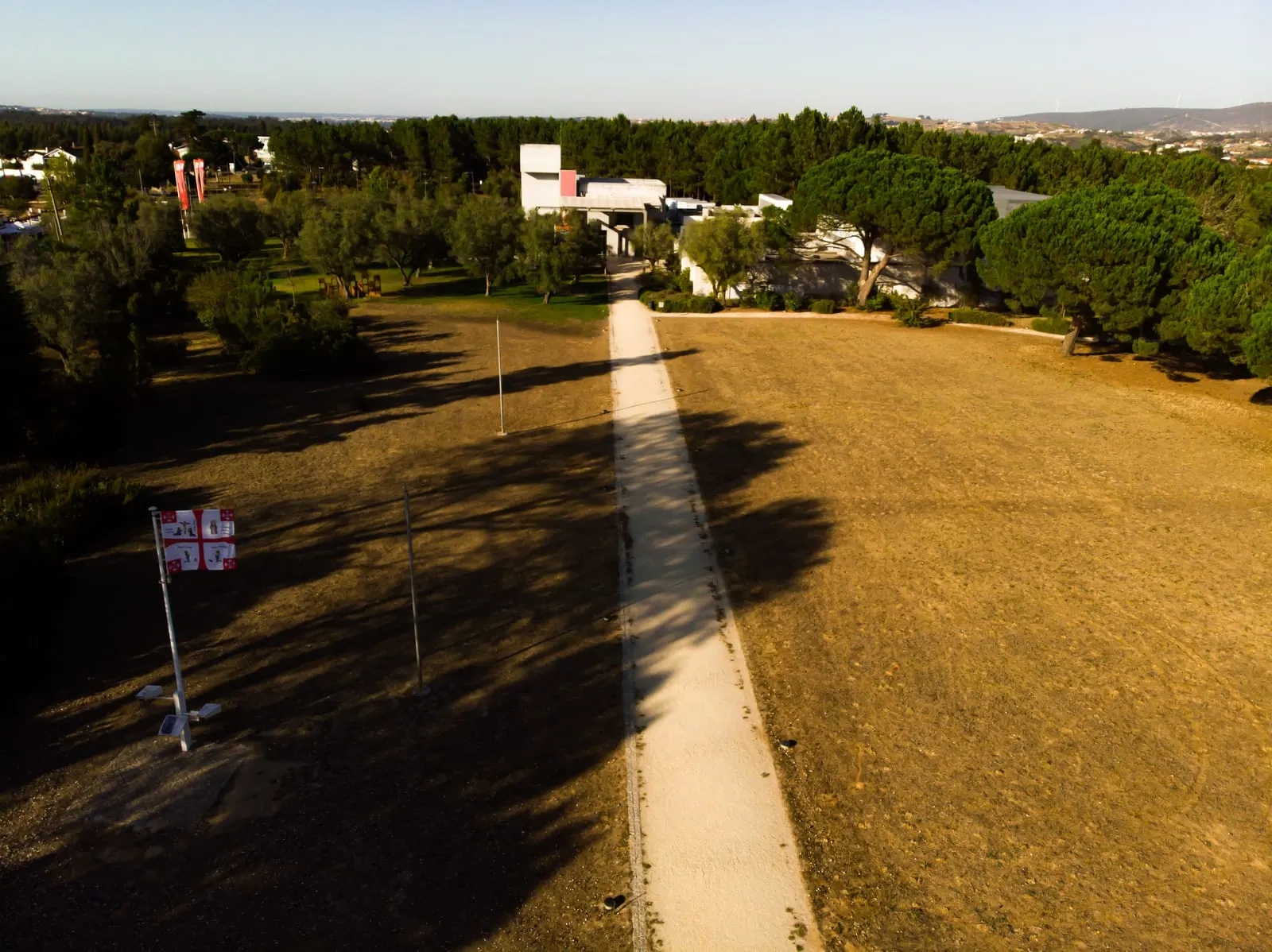
The Fundação Batalha de Aljubarrota was established by António Champalimaud on 15 March 2002. On 14 August 2003 it signed a protocol with the Ministry of National Defence to transform the site’s former Military Museum into an interpretation centre. The Battle of Aljubarrota Interpretation Centre (CIBA) opened in 2008. It displays archaeological remains, bones of combatants bearing combat injuries, and replicas of weapons. In an auditorium, two multimedia shows are screened: «A Batalha Real» and a film about Nuno Álvares Pereira. Outdoors, a trail across the field marks the starting positions of the armies.
Planning the visit
CIBA is located at Avenida D. Nuno Álvares Pereira, 120, 2480-062 Calvaria de Cima (Porto de Mós), next to the São Jorge roundabout, on the IC2/EN1. When consulted on 5 November 2026, the foundation listed the centre and visits to the field and the Chapel of São Jorge as open Tuesday to Sunday, 10:00–17:30. It closes on 1 January, Easter Sunday, 1 May and 25 December. The standard ticket cost €9.00, the youth (6–17 years) and senior (65 and over) ticket €6.00, and the family ticket (two adults and two young people) €25.50. Entry was free up to age 5. The battlefield visit and the audio guide were paid extras (€2.00 and €3.00). Please confirm opening hours, prices and sessions on the foundation’s website or at +351 244 480 060.
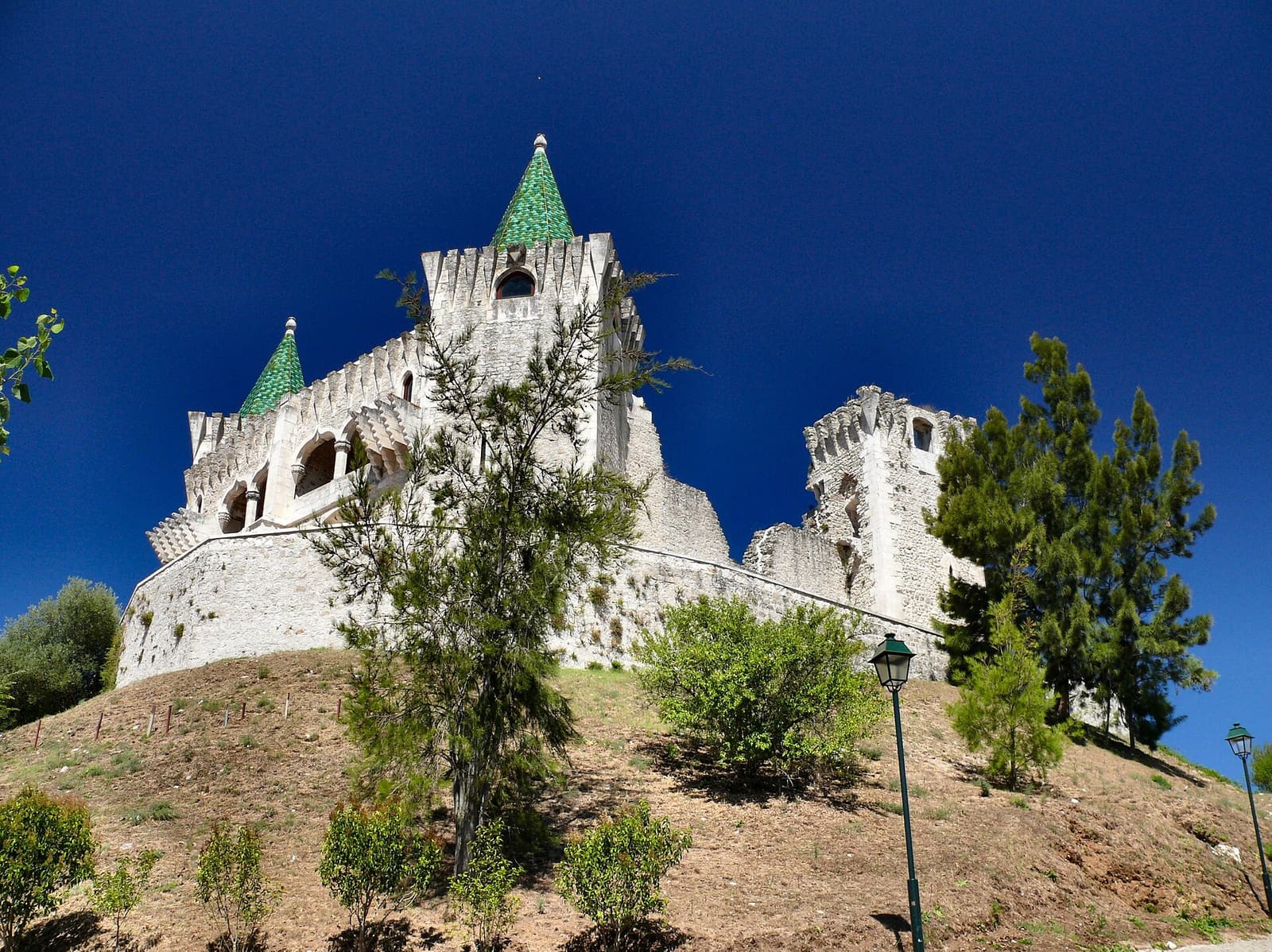
According to the foundation, CIBA coordinates its offer with the Monastery of Batalha; you may combine the two visits and add the Castle of Porto de Mós. For other places of military memory, continue to military architecture and fortifications.
Photograph by Moleano, taken on 7 September 2019 as part of Wiki Loves Monuments. Original on Wikimedia Commons, under CC BY-SA 4.0; resized and compressed for the web, without altering the composition.
Frequently asked questions
- Where was the Battle of Aljubarrota fought?
- On a plateau between Batalha and Porto de Mós, in the district of Leiria, on 14 August 1385. The classification decree places it between the Boutaca bridge, to the north, and Chão da Feira, to the south. The fighting took place near the locality of São Jorge, where the interpretation centre now stands.
- What is classified?
- The field of the Battle of Aljubarrota and its surrounding area, also known as the Military Field of São Jorge of Aljubarrota, is a National Monument under Decree No. 18/2010 of 28 December. It comprises two nuclei: the first Portuguese position, at Quinta do Fidalgo (Batalha), and the second, at São Jorge (Calvaria de Cima, Porto de Mós). The Chapel of São Jorge has its own classification as a National Monument since 1910.
- What are wolf pits?
- They are small pits dug into the ground, alongside ditches, to halt enemy cavalry and infantry. Excavations directed by Afonso do Paço between 1958 and 1960 revealed them. The 2010 decree refers to about 800 wolf pits and dozens of ditches.
- Is the battlefield part of the World Heritage listing of the Monastery of Batalha?
- No. The Monastery of Batalha, built as an act of thanksgiving for the victory, is inscribed on the World Heritage List. The battlefield has its own national classification and is not part of that inscription.
Sources
- Diário da República — Decreto n.º 18/2010, de 28 de dezembro (classificação do campo da Batalha de Aljubarrota)
- Diário da República — Portaria n.º 426/2012, de 10 de setembro (ZEP do campo da Batalha de Aljubarrota)
- Património Cultural, I.P. — Campo Militar de Aljubarrota, núcleos 1 e 2 (3729416)
- Património Cultural, I.P. — Capela de São Jorge (Aljubarrota) (70103)
- Património Cultural, I.P. — Atlas do Património Classificado e em Vias de Classificação (serviço cartográfico)
- Diário do Governo — Decreto de 16 de junho de 1910 (Diário do Governo n.º 136, de 23 de junho de 1910)
- Fundação Batalha de Aljubarrota — Arqueologia
- Fundação Batalha de Aljubarrota — Centro de Interpretação
- Fundação Batalha de Aljubarrota — História da Fundação
- Fundação Batalha de Aljubarrota — Visitas e Atividades
- Fundação Batalha de Aljubarrota — Bilhete Visita ao CIBA
- Fundação Batalha de Aljubarrota — Contactos
- Wikidata — Campo Militar de Aljubarrota (Q66814192)
Keep exploring
Heritage nearby
More places to discover from here. Approximate straight-line distances, within 50 km.