Archaeology
Roman Medicinal Baths of Chaves
Chaves' Roman Medicinal Baths, the Aquae Flaviae bathhouse unearthed during works at Largo do Arrabalde. National Monument since 2012, with visiting tips.
- Location
- Santa Maria Maior, Chaves, Vila Real
- Built
- séculos I–IV d.C.
The Roman Medicinal Baths of Chaves, also called the Roman Medicinal Baths of Largo do Arrabalde, are a monumental bathhouse of the ancient Aquae Flaviae, discovered in the centre of Chaves at the beginning of the 21st century. They are a National Monument and stand out for a rare reason: hot water still rises on the site.
A discovery made during works
The bathhouse was found during preparatory works for an underground car park at Largo do Arrabalde. Press sources differ on the year: RTP refers to archaeological test pits in 2005; Diário de Notícias, in 2016, placed the discovery about ten years earlier; and another source consulted cites 2004. The car park project was abandoned and excavations followed.
According to the archaeologist Sérgio Carneiro, cited by Diário de Notícias in 2016, the building had monumental dimensions, with a vault some 10 metres high. An earthquake at the end of the 4th century is said to have brought the structure down. Beneath the collapsed vault, the skeletons of a man, a woman and an adolescent were found, which led to a comparison, made by the archaeologist himself with caution, with Pompeii. Personal metal objects, such as rings and bracelets, were well preserved because the soil remained damp and sealed.
What can be seen
According to RTP and Diário de Notícias, the complex has two large pools and seven small individual pools, as well as a hydraulic system that still functions. The water from the springs of Chaves is hot, and the Romans used it in baths, as the name Aquae Flaviae suggests: the settlement received municipal status in 79, under Vespasian, according to RTP. The archaeologist Rui Lopes describes the bathhouse as the largest in the Iberian Peninsula, a claim that should be read as expert opinion.
Classification
The Atlas do Património Cultural, consulted on 5 November 2026, lists the Termas Medicinais Romanas de Chaves as a National Monument, inventory number 74246, in the parish of Santa Maria Maior. The classification was made by Decree No. 31-H/2012, published in the Diário da República, 1st series, No. 252 (supplement), of 31 December 2012. The special protection zone was set by Ordinance No. 490/2013, of 19 July 2013.
From find to museum
The bathhouse was covered by a museum building, the Museu das Termas Romanas, to display the ruins, objects and interpretive panels. In 2018, Diário de Notícias reported that the building was complete but that humidity and condensation caused by the hot water itself required a technical solution, with the participation of the Laboratório Nacional de Engenharia Civil. RTP later reported the museum’s opening to the public; the opening date could not be confirmed from an official source.
Aquae Flaviae in context
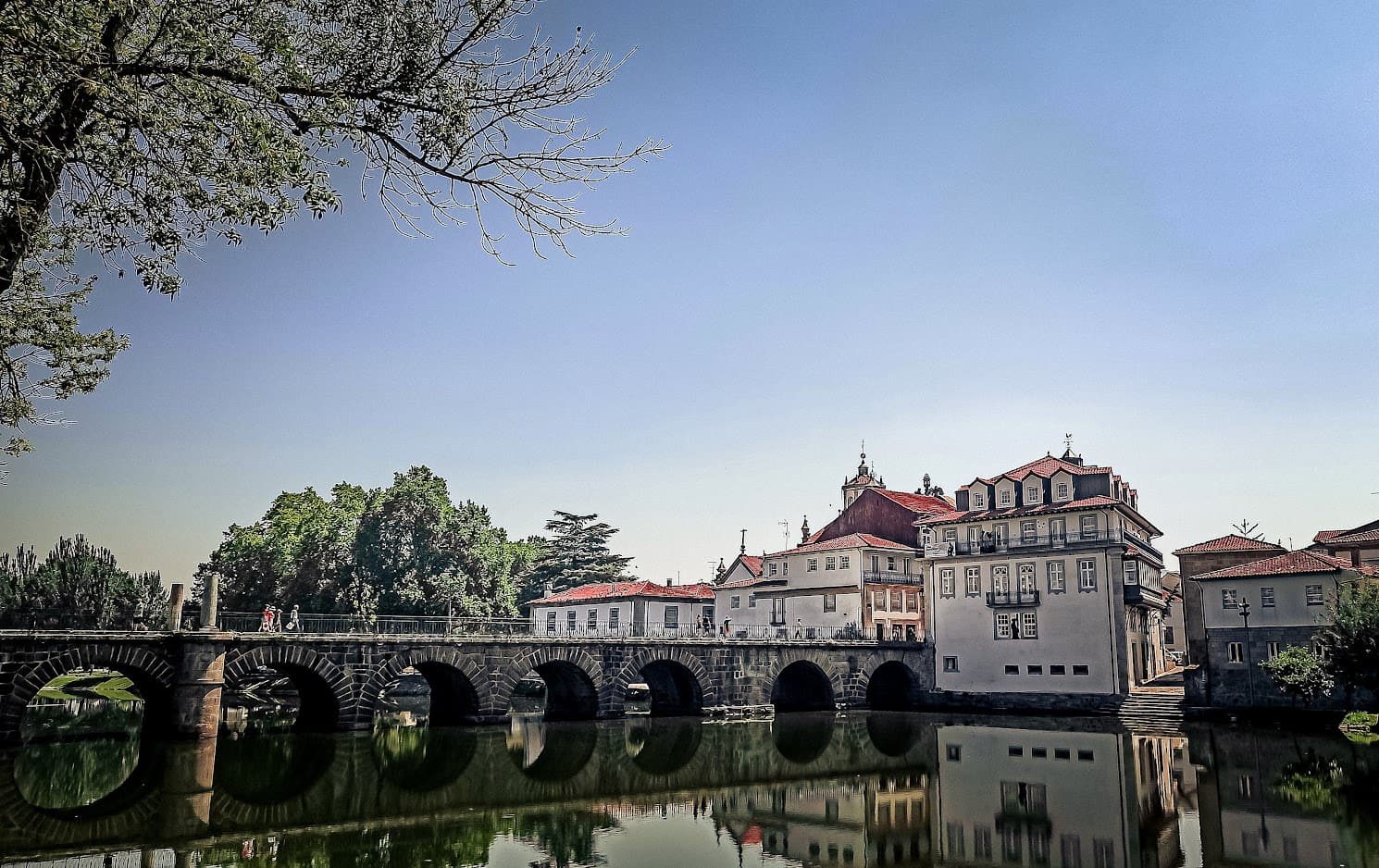
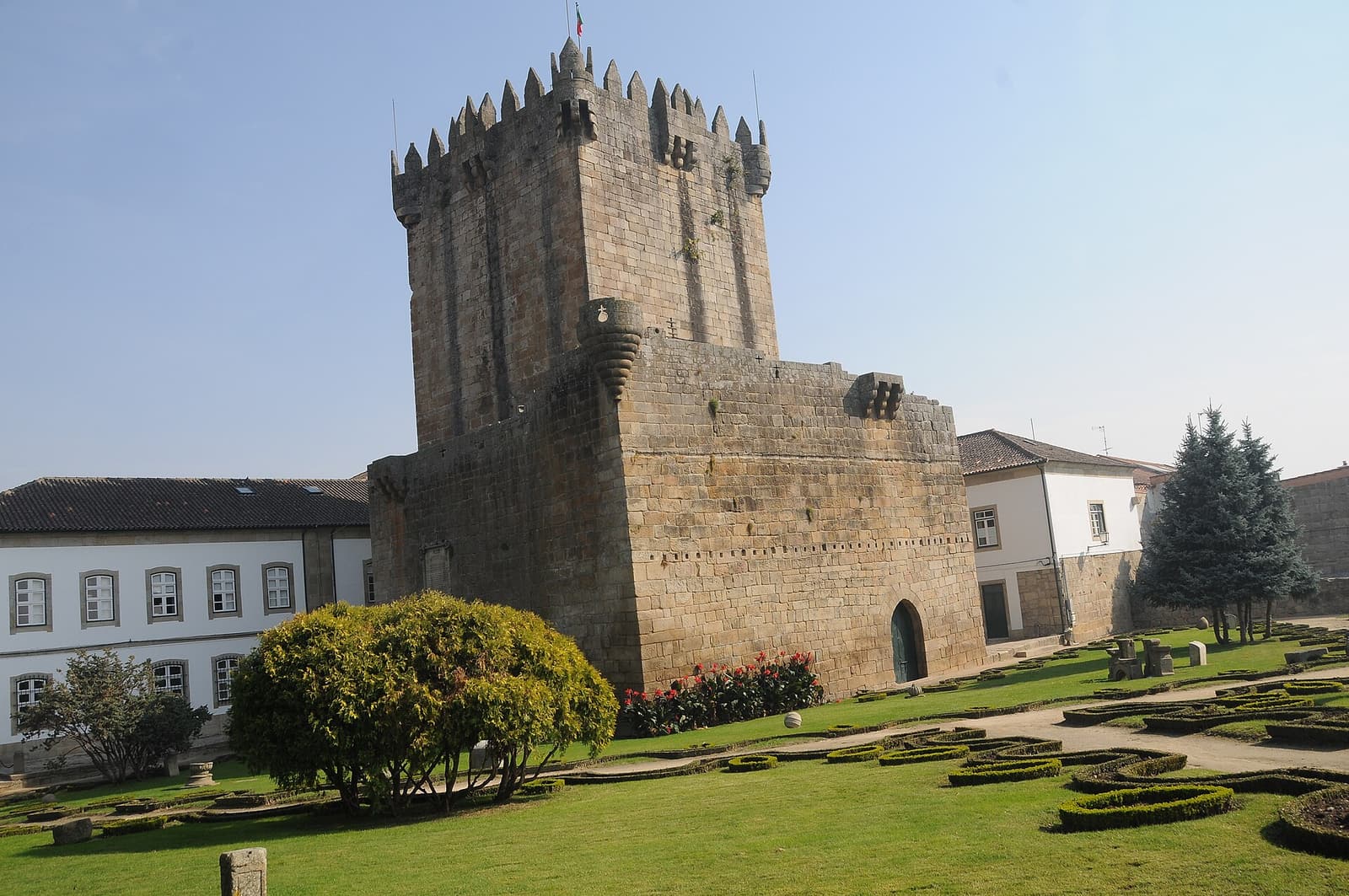
The baths explain why Chaves arose as a Roman city linked to water. The other major testimony of that period is the Roman Bridge of Chaves, over the Tâmega, with inscriptions naming Vespasian and Titus. To visit the city, combine the museum with the castle of Chaves and the historic centre.
Planning the visit
At the time of consultation on 5 November 2026, opening hours, tickets and access rules could not be confirmed on an official page of the Chaves municipality. The museum was reported with free admission on its opening day; this condition may have changed. Confirm current conditions with the Chaves municipality before travelling.
Frequently asked questions
- What are the Roman Medicinal Baths of Chaves?
- They are the remains of a monumental bathhouse of the Roman city of Aquae Flaviae, discovered at Largo do Arrabalde, in the centre of Chaves, during works for an underground car park.
- Are they listed?
- Yes. They are a National Monument under Decree No. 31-H/2012 of 31 December 2012, with a special protection zone set by Ordinance No. 490/2013.
- When were they discovered?
- Sources differ between 2004 and 2005. The discovery resulted from archaeological test pits carried out before the construction of an underground car park.
- Does the water still flow?
- According to RTP and Diário de Notícias, the Roman hydraulic system continues to function, with hot water from the springs.
Sources
- Património Cultural, I.P. — Atlas do Património Classificado (Termas Medicinais Romanas de Chaves, NINV 74246)
- Diário da República — Decreto n.º 31-H/2012, de 31 de dezembro
- Diário da República — Portaria n.º 490/2013, de 19 de julho
- RTP — Museu das Termas Romanas abre para contar 2000 anos de história em Chaves
- Diário de Notícias — Sismo "congelou no tempo" balneário romano em Chaves (15-10-2016)
- Diário de Notícias — Intervenção no Museu Termas Romanas de Chaves vai avançar em breve (26-07-2018)
- Wikidata — Termas Medicinais Romanas de Chaves (Q66815273)
Keep exploring
Heritage nearby
More places to discover from here. Approximate straight-line distances, within 50 km.