Monuments
Chapel of São Torcato
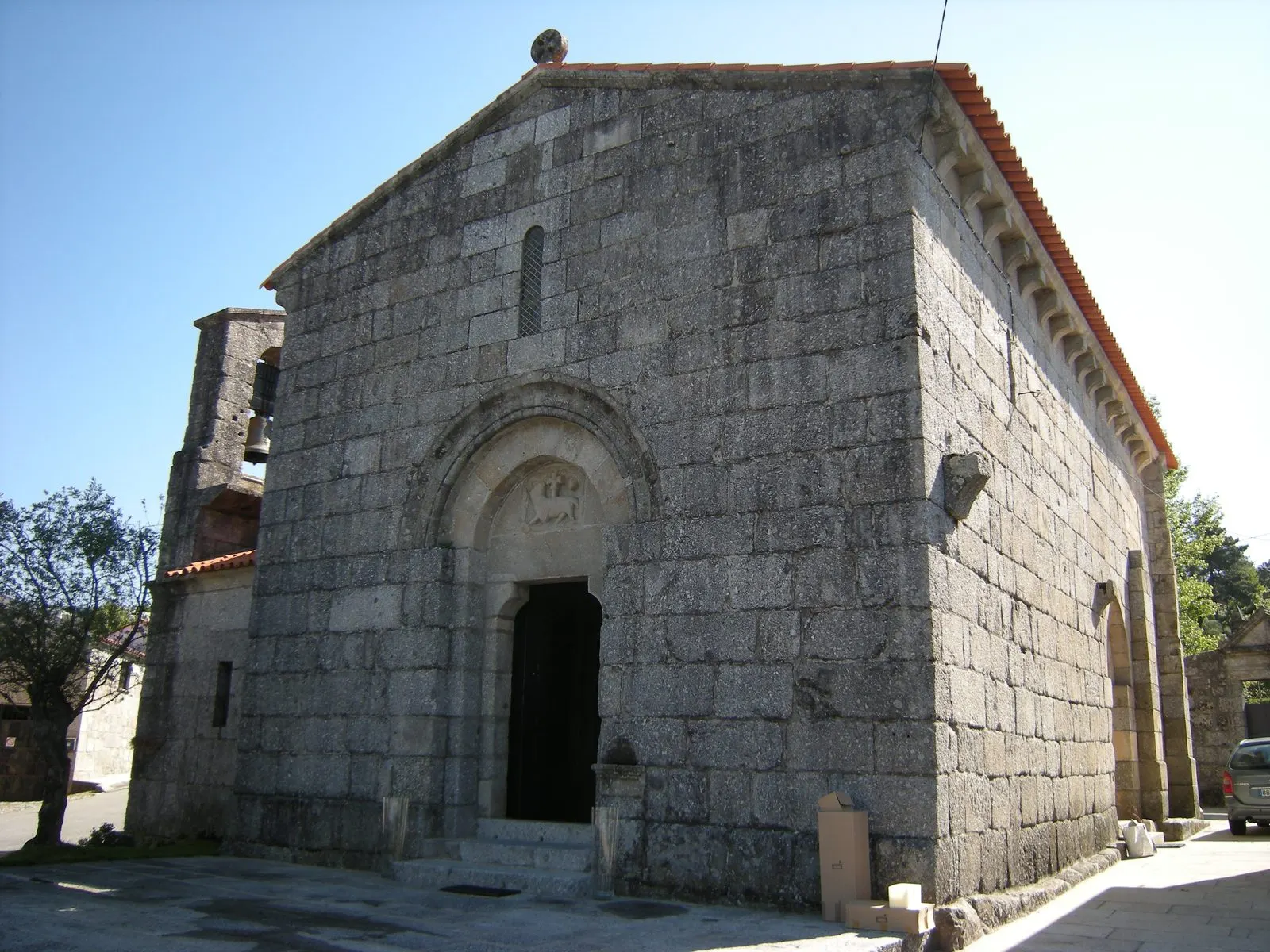
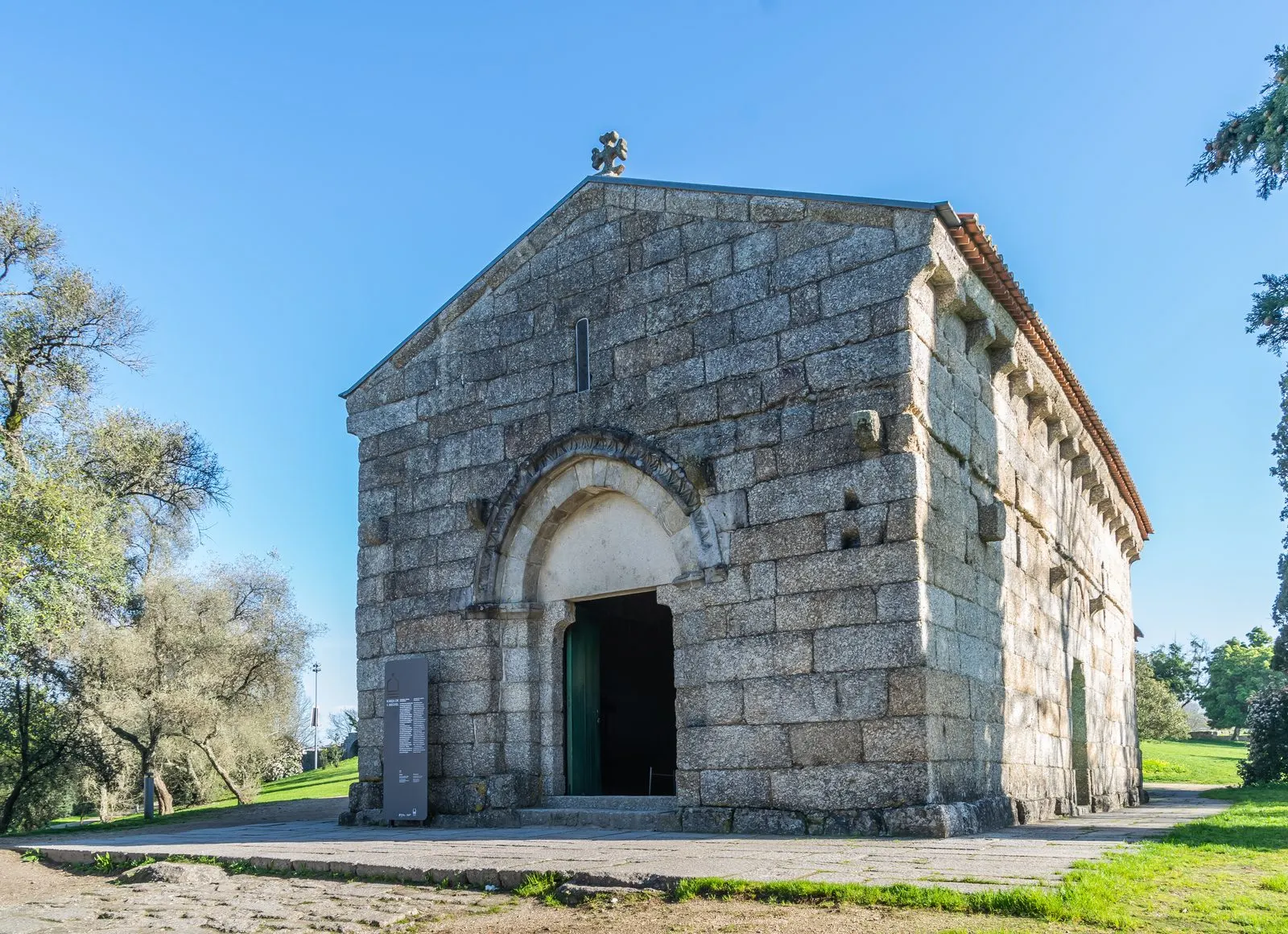
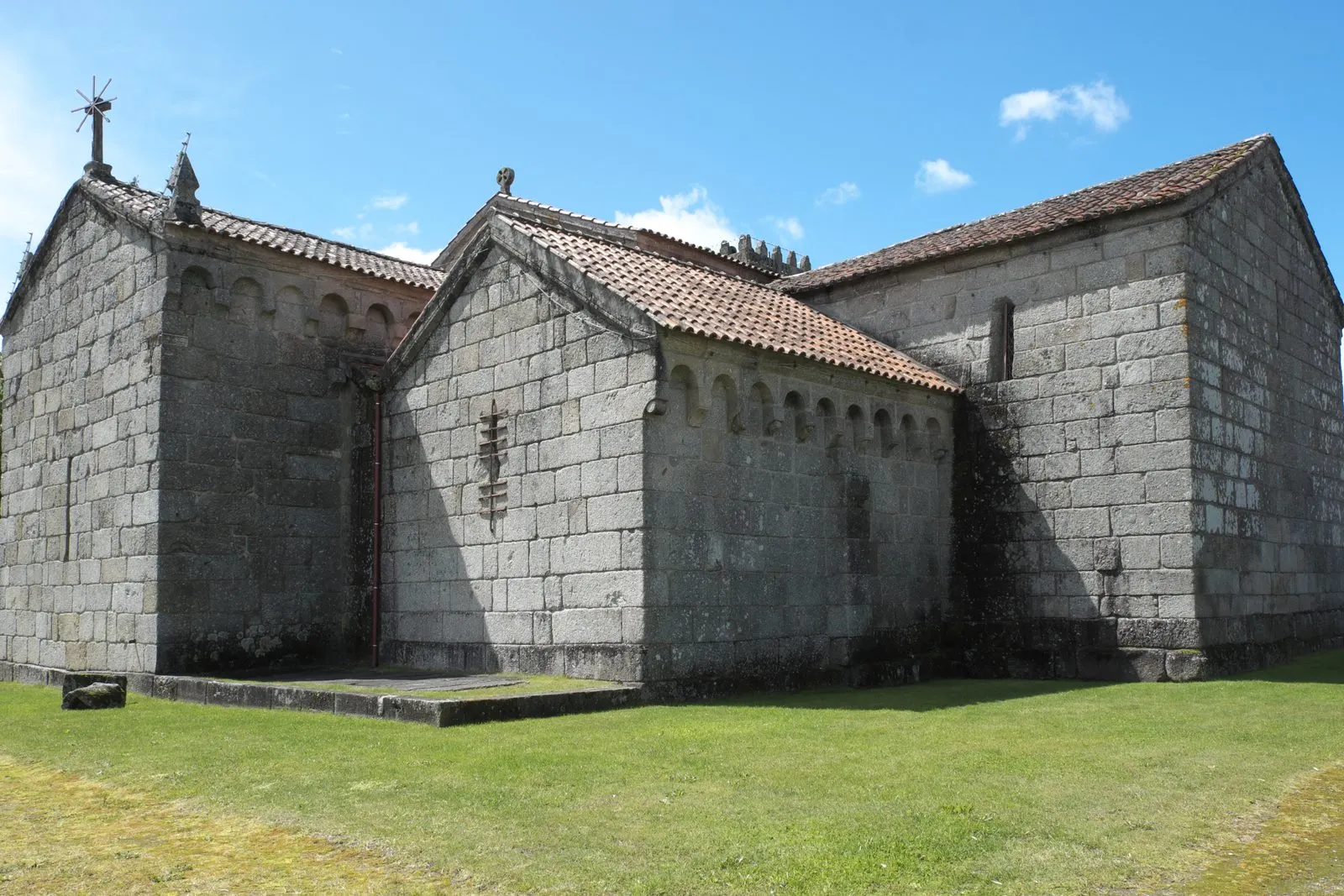
In Guimarães, São Torcato Chapel is the old monastery church: 10th-century origins, pre-Romanesque friezes, chevet consecrated in 1132. National Monument.
- Location
- Mosteiro, São Torcato, Guimarães, Braga
- Built
- Origem pré-românica do século X; reforma românica na primeira metade do século XII (cabeceira sagrada em 1132)
The Chapel of São Torcato is the official designation under which the record classifies the old church of the former monastery of São Torcato, in the place of Mosteiro, in the parish of São Torcato, in the municipality of Guimarães. The record also gives it the names Old Church of São Torcato, Church of São Torcato, the Old, and Parish Church of São Torcato. It has been a National Monument since 1922, and its importance lies in what it preserves from the 10th century: the record considers it one of the essential sites of early medieval art in Portuguese territory.
What it is, and what it is not
It is useful to begin by drawing a distinction. The locality of São Torcato is known for the great sanctuary of the saint, a modern church of large dimensions. The 1922 classification and the text of the record concern the old monastery church, of medieval origin, and not that larger temple. The coordinates in the record (41.4839; -8.259352) coincide with the point that Wikidata assigns to the chapel. We did not find the sanctuary listed as a separate classification in the Atlas of Classified Heritage.
From the 10th to the 12th century
According to the record of the Património Cultural, I.P., the church as it stands is the product of several building phases over almost four centuries (10th–13th). Its general appearance dates from a Romanesque phase still in the first half of the 12th century. It is known that D. Afonso Henriques granted the temple to the Augustinian Canons and that, in 1132, the apse was consecrated by the Archbishop of Braga, D. Paio Mendes. This campaign, given its speed and the abundant reuse of pre-Romanesque materials, seems to have been a mere reform of the earlier building, which privileged the triumphal arch, the windows and the line of the cornice, but generally kept the 10th-century structure (Real and Barroca, 1990, cited in the record).
The earliest reference to the temple dates from 951: the will of Ramiro II mentions a chapel of the saint attached to that of São Torcato. The construction of the church should therefore date from that time, through the agency of the Portucalense counts, especially D. Mumadona Dias, who were closely related to King Ramiro II. The record compares the quality of the materials with that of the palatine chapel of the Mosteiro da Costa, in Guimarães, and concludes that the counts sponsored an important group of religious buildings. A phase of occupation from the earliest centuries of the Middle Ages, prior to the 10th century, has results awaiting publication.
The pre-Romanesque remains
The church’s principal interest, for the record, is the pre-Romanesque material it preserves. Some pieces were already known, and the archaeological campaign carried out on the site in the late 1980s made it possible to recover further 10th-century material. For a long time São Torcato was regarded as one of the most important witnesses to Visigothic art in the North, alongside São Frutuoso de Montélios; the reassessment of the stylistic compartments of the Early Middle Ages definitively placed the pre-Romanesque of São Torcato in the 10th century (on this context, see Asturian and pre-Romanesque art).
The most important vestiges are the limestone friezes that decorate the interior of the chancel, finely worked with tangent circles and quatrefoils. The record sees in them a direct relationship with Asturian production, to whose promoters the builders were ideologically close, and also affinities with geometric pieces identified in Tomar and in Lisbon. There are also two aximeces, double windows with stilted arches, heavily mutilated because they were adapted in the Romanesque period to the lateral niches of the chancel, but which retain much of their geometric decoration. The ensemble is completed by a foliate capital and a lipsanotheca, a small wooden box for relics. The Museu de Alberto Sampaio, in Guimarães, displays in its cloister a granite capital from the church of São Torcato, which it dates to the 12th century; see the page for the Museu de Alberto Sampaio.
Classification
It is a National Monument under Decree No. 8 228, published in the Diário do Governo, Series I, No. 133, of 4 July 1922. The record does not indicate a special protection zone. The text of the decree is an image scan that we were unable to transcribe. The church is not part of any UNESCO inscription.
Preparing a visit
We did not find, as of our consultation on 5 November 2026, an official page (from the Municipality, the parish or the sanctuary’s brotherhood) giving visiting hours for the old church, so we do not state them. It is a working church; confirm with the parish or with Turismo de Guimarães before travelling, and bear in mind that the record refers to the old church, not the sanctuary. For the city and the region, see Guimarães, the Museu de Alberto Sampaio and the page for the Norte.
Photograph by GFreihalter, 12 April 2016. Original on Wikimedia Commons, under CC BY-SA 3.0; resized and compressed for the web, without altering the composition.
Frequently asked questions
- Is the Chapel of São Torcato the sanctuary of São Torcato?
- No, according to the record. The National Monument classification (1922) concerns the old church of the monastery, also called the Old Church of São Torcato, of 10th-century origin, and not the large modern sanctuary nearby, which we did not find listed separately in the Atlas.
- Why is this church important?
- For the pre-Romanesque heritage it preserves, which the record presents as the monument's chief interest: 10th-century limestone friezes with tangent circles and quatrefoils, two aximeces (double windows with stilted arches), a foliate capital and a lipsanotheca, a small wooden box for relics.
- What is the earliest known date?
- The record cites the will of Ramiro II, of 951, which mentions a chapel of the saint attached to that of São Torcato. The construction of the church should therefore date from that period; the Romanesque apse was consecrated by the Archbishop of Braga, D. Paio Mendes, in 1132.
- What is the classification?
- National Monument, by Decree No. 8 228, published in the Diário do Governo, Series I, No. 133, of 4 July 1922.
Sources
- Património Cultural, I.P. — Capela de São Torcato (70162)
- Património Cultural, I.P. — Atlas do Património Classificado e em Vias de Classificação (NINV 2259)
- Diário do Governo — Decreto n.º 8 228, de 4 de julho de 1922 (I série, n.º 133)
- Museu de Alberto Sampaio — Capitel da Igreja de São Torcato
- Wikidata — Capela de São Torcato (Q17125268)
Keep exploring
Heritage nearby
More places to discover from here. Approximate straight-line distances, within 50 km.