Monuments
Ansiães Castle
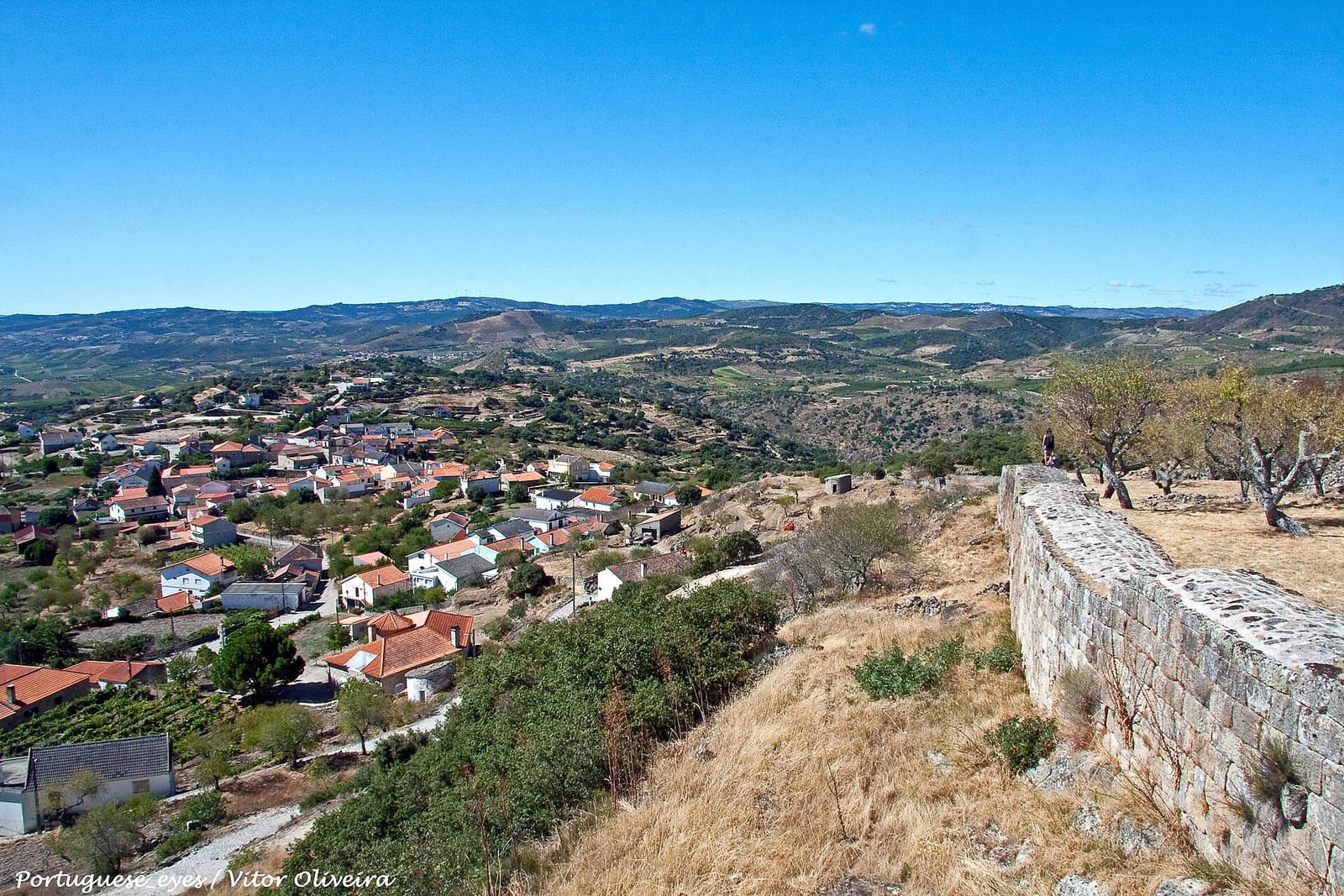
In Carrazeda de Ansiães, Castelo de Ansiães is a rock castle and walled medieval village, municipal seat until 1734, with São Salvador Romanesque church.
- Location
- Lavandeira, Carrazeda de Ansiães, Bragança
- Built
- ocupação desde o III milénio a.C.; castelo e vila amuralhada medievais, em crescimento entre os sécs. XII e XV
The Castle of Ansiães is more than a castle. On a hilltop in the municipality of Carrazeda de Ansiães lie the ruins of an entire walled medieval village: the rock-top stronghold at the summit, a second enclosure over 600 metres long, house foundations, paths and a Romanesque church. It was the seat of the municipality for centuries, until it lost its administrative seat to Carrazeda in 1734. The 1910 classification calls it “Castelo de Carrazeda (ruínas)”. The national register also uses the name castle and walled village of Ansiães.
A site occupied since prehistory
The national register of the Património Cultural, I.P. and the municipality’s tourism portal both cite the same text by António Luís Pereira and Isabel Alexandra Lopes. According to that text, the history of the place begins around the 3rd millennium BC, and the hill’s good natural defences explain an almost continuous occupation since then.
The site gained importance during the Reconquista. Ansiães received its first foral (charter) from the Leonese king Fernando Magno, in the mid-eleventh century. The register considers it one of the oldest charters in the territory that is today Portugal. In the early Middle Ages, the site established itself as a centre in the frontier zone of the River Douro.
The medieval village
The 12th to 15th centuries were, according to the same text, the period of greatest growth of the walled stronghold. Several kings confirmed or granted charters to the village: D. Afonso Henriques in 1160, D. Sancho I in 1198, D. Afonso II in 1219 and, finally, D. Manuel I in 1510. In 1277, D. Afonso III granted it a fair charter. Ansiães became the head of a territory with small settlements and farming hamlets, and remained an important Trás-os-Montes municipality throughout the Middle Ages.
Depopulation and abandonment
From the late fifteenth century, and especially in the sixteenth, the village steadily lost population to other localities in the municipality. The tourism portal notes that, by 1527, some villages in the municipality already had more inhabitants than Ansiães. The trend worsened in the following centuries. In 1734, the council offices moved to Carrazeda, because very few people still lived in the former stronghold.
What can be seen
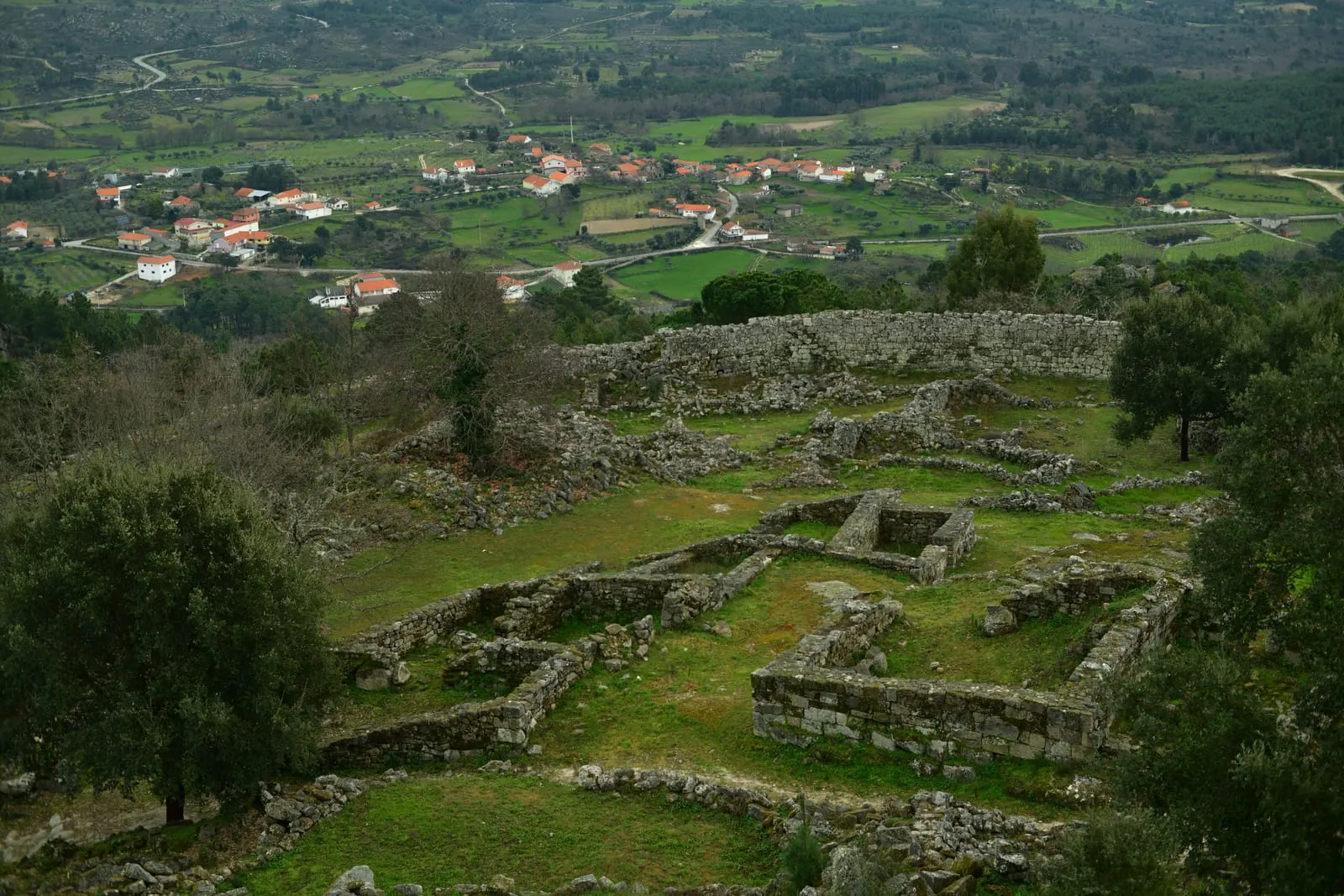
The national register distinguishes two areas. The first, higher up, corresponds to the original rock-top settlement. It is defined by an oval-plan wall, reinforced by five square towers. Remains of the keep and its annexes, the village’s cistern and alignments of foundations of buildings, probably military, can be recognised there. It served as a last refuge, where residents withdrew in time of war.
The second area is the urban zone. A second line of walls, over 600 metres long and with three square towers, encloses an area where collapsed masonry, medieval and modern structures and the walls of former houses can be seen today. The register describes a network of paths that crossed and organised small quarters.
Within the walls stands the church of São Salvador de Ansiães, with a nave and chancel. The tourism portal highlights the tympanum of the main portal, showing Christ in Majesty, and presents it as the most complete example of Portuguese Romanesque. The archivolts flanking it depict scenes of the apostles. The church has been a separate National Monument since Decree no. 14 985, published in the Diário do Governo on 3 February 1928, according to the Atlas of Classified Heritage.
Classification and protection
The castle is a National Monument under the Decree of 16 June 1910, published in the Diário do Governo no. 136, of 23 June 1910. In the list of castles in the district of Bragança, the decree records “Carrazeda de Anciães — Castello de Carrazeda (ruinas)”. The Atlas indicates that the property is assigned to the Património Cultural, I.P.
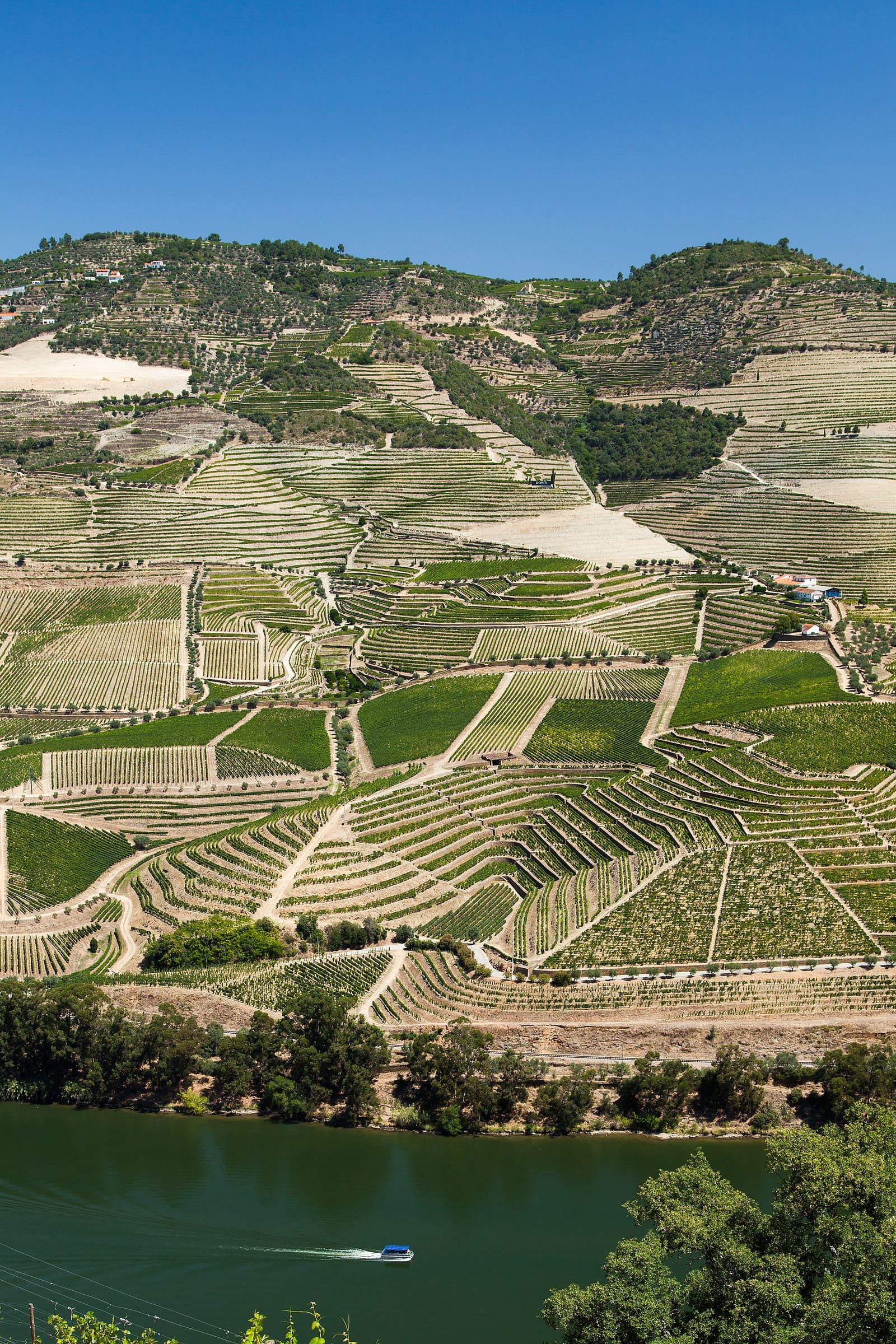
The national register also notes that the castle falls within the protection zone of the Alto Douro Vinhateiro. This does not make it part of the property inscribed on the World Heritage List: the World Heritage field of the record is empty. For the landscape recognised by UNESCO, see Alto Douro Vinhateiro.
Planning the visit
The ruins lie in the parish of Lavandeira, Beira Grande and Selores, beside the EN 214, a few kilometres from the present-day town of Carrazeda de Ansiães. On consultation on 5 November 2026, the municipality’s tourism portal listed the castle as open every day. The interior of the church of São Salvador had its own timetable: Monday 1:30 to 5:30 pm, Tuesday to Thursday 9:30 am to 12:30 pm and 1:30 to 5:30 pm, Friday 9:30 am to 12:30 pm, closed on Saturday. The page gave no Sunday hours. Guided visits for groups are booked through the Loja Interativa de Turismo.
The CICA, Centro Interpretativo do Castelo de Ansiães (Interpretation Centre of the Castle of Ansiães), is not at the castle. It is in the historic district of the town of Carrazeda, in a municipal building constructed from the ruins of a traditional house. It displays archaeological finds and the results of ten years of research in the municipality, chiefly at the castle. In the same consultation, the municipal page listed opening hours Monday to Friday, 9:00 am to 12:30 pm and 1:30 to 5:00 pm, with weekend visits by appointment, and free visits. Please confirm on the CICA page and the tourism portal before you go.
In the Douro Superior, the Castle of Freixo de Espada à Cinta and the Castle of Numão show other fortifications of the old Douro frontier. To the north, the Castle of Bragança completes a tour of the district. To continue, see Norte and the network of castles of Portugal.
Photograph by Panegyrics of Granovetter, dated 21 February 2024. Original on Wikimedia Commons, under CC BY-SA 4.0; resized and compressed for the web, without altering the composition.
Frequently asked questions
- What is the Castle of Ansiães?
- It is a rock-top castle and the walled medieval village that developed around it, on a hilltop in the parish of Lavandeira, Beira Grande and Selores. It was the seat of the municipality until 1734, when the council offices moved to Carrazeda. Today the former village is an archaeological site in ruins.
- What charters did Ansiães receive?
- According to the national register, it received a first foral (charter) from the Leonese king Fernando Magno, in the mid-eleventh century. Charters followed from D. Afonso Henriques (1160), D. Sancho I (1198), D. Afonso II (1219) and D. Manuel I (1510). D. Afonso III granted it a fair charter in 1277.
- Is the castle classified?
- Yes. It is a National Monument under the Decree of 16 June 1910, published in the Diário do Governo no. 136, of 23 June 1910, under the designation Castelo de Carrazeda (ruínas). The church of São Salvador de Ansiães, within the walls, has been a separate National Monument since 1928.
- When can it be visited?
- On consultation on 5 November 2026, the municipality's tourism portal listed the castle as open every day and published hours for the interior of the church of São Salvador, which is closed on Saturdays. Guided visits for groups are booked through the Loja Interativa de Turismo.
Sources
- Património Cultural, I.P. — Castelo de Carrazeda (ruínas) (70591)
- Património Cultural, I.P. — Atlas do Património Classificado, Castelo de Carrazeda (ruínas) (NINV 2373) e Ruínas da igreja de Ansiães (NINV 2379)
- Diário do Governo — Decreto de 16 de junho de 1910 (n.º 136, 23-06-1910)
- Município de Carrazeda de Ansiães — Castelo de Ansiães (Portal de Turismo)
- Município de Carrazeda de Ansiães — Igrejas de S. Salvador de Ansiães (Portal de Turismo)
- Município de Carrazeda de Ansiães — CICA, Centro Interpretativo do Castelo
- Wikidata — Castelo de Carrazeda (ruínas) (Q5050371)
Keep exploring
Heritage nearby
More places to discover from here. Approximate straight-line distances, within 50 km.