Monuments
Freixo de Espada à Cinta Castle
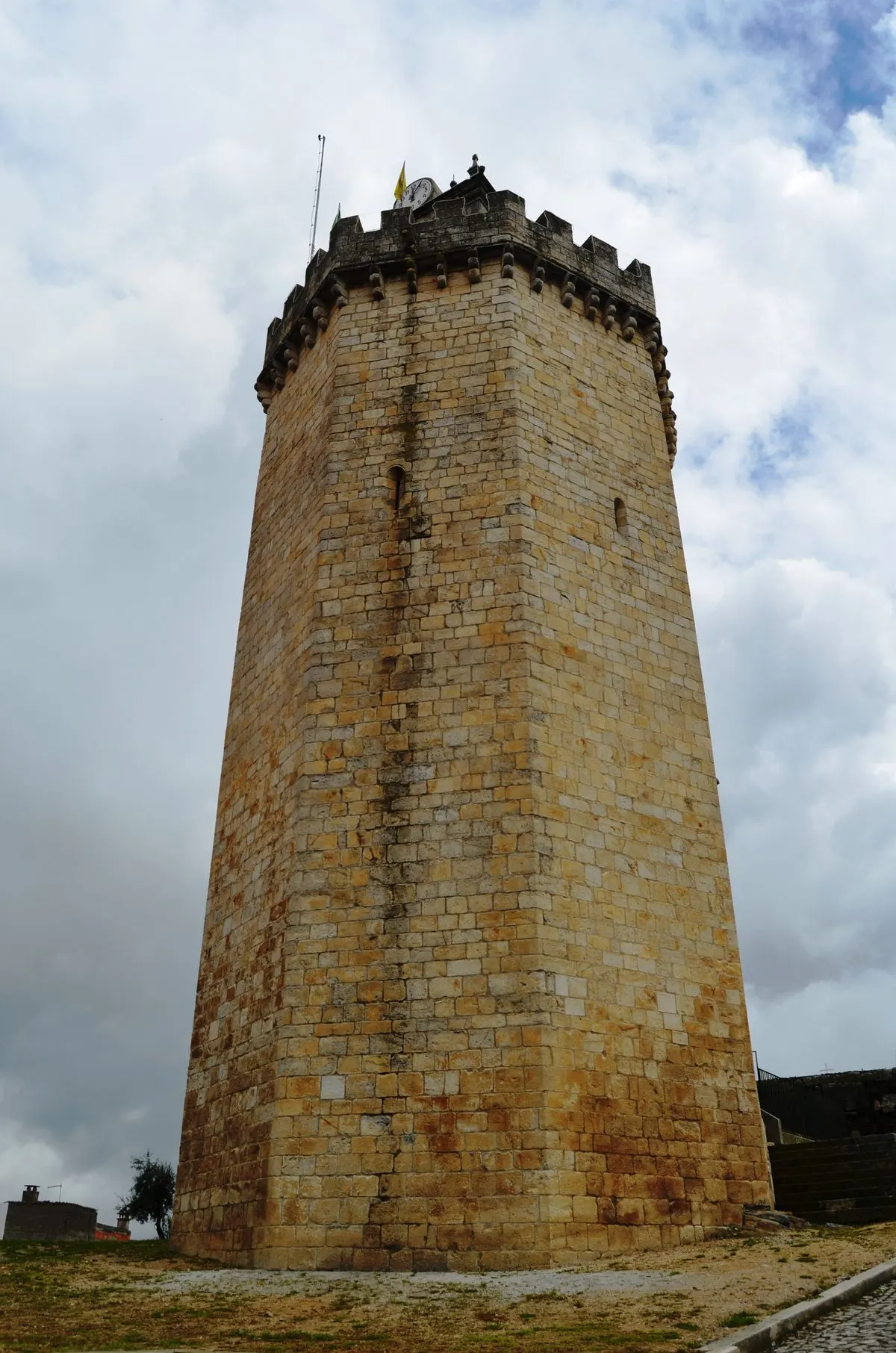
Freixo de Espada à Cinta Castle: the medieval fortress survives as the Torre do Galo, a 25 m heptagonal granite tower, National Monument since 1910.
- Location
- Freixo de Espada à Cinta, Bragança
- Built
- sécs. XII–XV; torre heptagonal (Torre do Galo) de finais do séc. XIII ou do séc. XIV
In Freixo de Espada à Cinta, in the district of Bragança, the town’s silhouette is dominated by a granite tower with seven faces. It is the Torre do Galo, the principal surviving element of the Castle of Freixo de Espada à Cinta. The tower is about 25 metres high and has faces of differing widths. The national register of Cultural Heritage, I.P. considers it one of the most important military works of the time of D. Dinis. The rest of the fortress, which in the early sixteenth century still had many towers, has almost entirely disappeared.
One of the oldest fortresses in Trás-os-Montes
The national register places the castle among the oldest fortresses of Trás-os-Montes, documented since the twelfth century. It therefore predates the new towns founded by D. Afonso III and D. Dinis. The earliest reference is the charter of foral granted by D. Afonso Henriques, dated 1152 or 1155–1157. It is reasonable to presume that construction of the fortress began around then, but the first documented works date from 1258.
Mário Barroca, cited by the register, admits that a first stronghold may have been raised as early as the twelfth century, perhaps with a wall to defend the settlement. This fortification was apparently occupied by Leonese troops between 1212 and 1213. Little more is known about this first phase. The register notes that the complex still awaits a rigorous monograph that could, for example, identify sections of the present wall dating from that period.
The great works of the thirteenth and fourteenth centuries
After the foral of D. Afonso III, of 1273, the castle was the object of an extensive campaign of works. The great destruction of the complex prevents us from knowing its full extent, but the phase of D. Dinis was decisive. The chronicler Rui de Pina went so far as to write that this king repopulated the town and built the castle.
The works were long. In 1342, a document still refers to the town’s wall as yet unfinished. In 1376, already in the reign of D. Fernando, there is news of new works. At the start of the sixteenth century, when Duarte de Armas drew the fortress, there were many towers, of hexagonal and pentagonal plan, set at regular intervals. Most had balconies with machicolations to defend the wall. The complexity and variety of the towers seem to have been a hallmark of this reform.
The Torre do Galo
The heptagonal tower is the most notable element to have survived to the present. Built in granite, its faces have differing widths, a solution that allowed a more effective defence all around. The continuous balconies resting on corbels, with a perforated floor, are machicolations: they permitted vertical fire on anyone approaching the base. The national register sees in these devices and in the complex plan signs of the new Gothic military architecture. For context, see Gothic architecture in Portugal.
The date and function of the tower are debated:
- Mário Barroca considers it a Dionysian work and, in all likelihood, the keep of the Gothic castle.
- Rita Costa Gomes admits that the keep was one of the older, quadrangular towers, now demolished. For her, the heptagonal tower would be later, possibly from the reign of D. Fernando.
- The municipal tourism page cites Frei Viterbo, according to whom the tower was commissioned by D. Fernando I around 1376.
The sources consulted do not settle the question. The most prudent course is to place the tower between the late thirteenth century and the second half of the fourteenth century.
From a refuge for fugitives to a cemetery
Difficulties of settlement led to Freixo’s transformation into a couto de homiziados (a sanctuary for fugitives from justice) in 1406. Those pursued by the law could settle here. New works followed, between 1412 and 1423 and between 1435 and 1459, perhaps of a residential character, in the taste of the late medieval alcaides. At the start of the sixteenth century, the castle had a barbican and received further works, directed by the Biscayan master Pero Lopes.
In the early modern period only minor consolidations were carried out. The castle lost its function only in the nineteenth century: in 1836, the enclosure was adapted as a municipal cemetery, and some stretches of wall were sacrificed.
Classification and protection
The castle is a National Monument under the Decree of 16 June 1910, published in the Diário do Governo no. 136, of 23 June 1910. The special protection zone, with a non aedificandi zone, was fixed by Ordinance of 10 January 1953, published in the Diário do Governo, II Series, no. 19, of 23 January 1953. The national register places it on Rua de D. Dinis; the municipal tourism page gives Praça Jorge Álvares. The castle is not part of any World Heritage property.
Preparing the visit
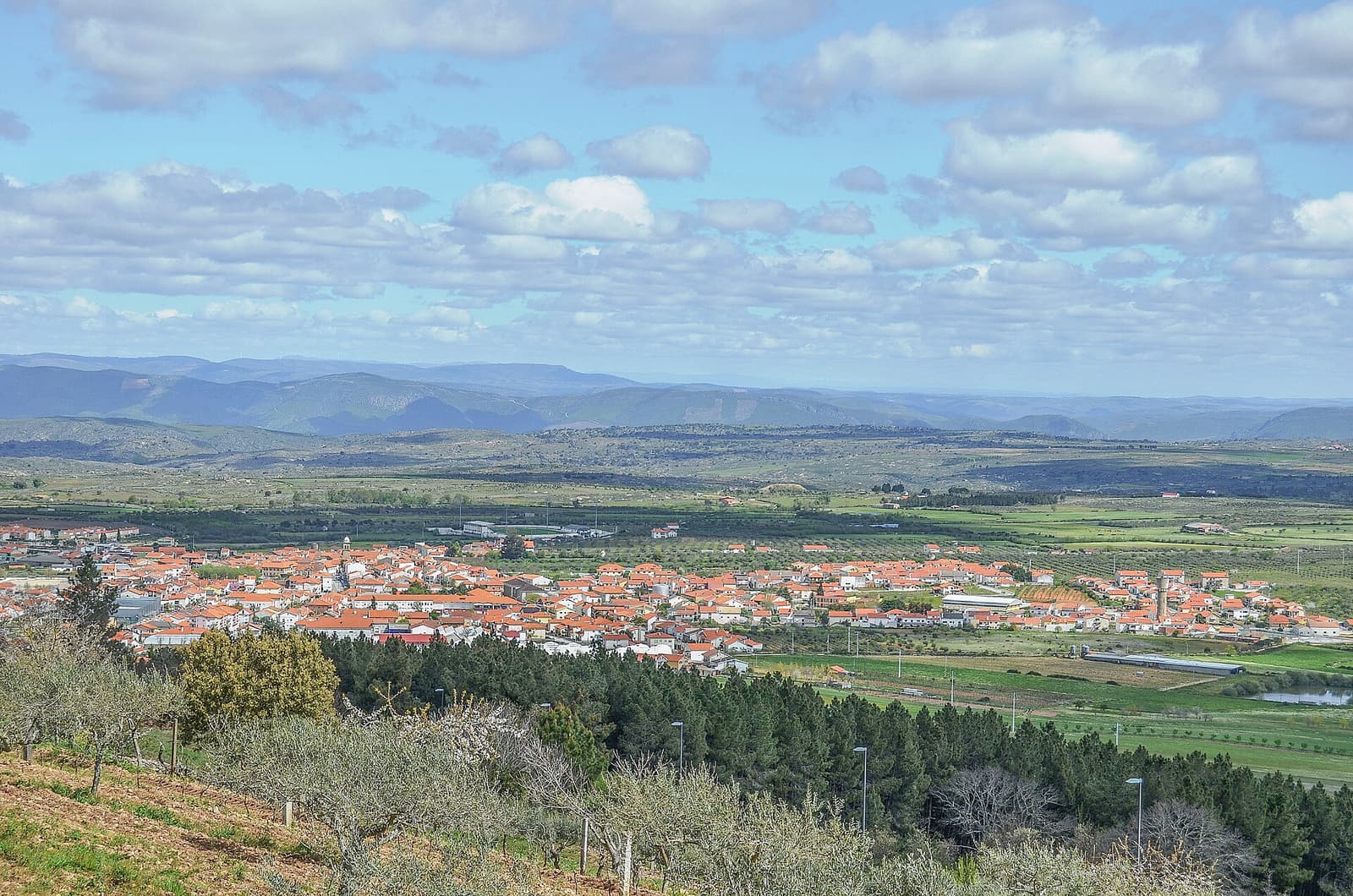
The tower rises in the historic centre and dominates the town. When consulted on 5 November 2026, the tourism page of the Municipality of Freixo de Espada à Cinta did not publish opening hours or prices for climbing the tower. The portal gave the municipal tourism contact: +351 279 653 480 or [email protected], Monday to Friday, 9:00 to 18:00. These hours are those of the information desk, not of the tower; confirm the visiting conditions before going. The same portal also notes archaeological excavations at the castle.
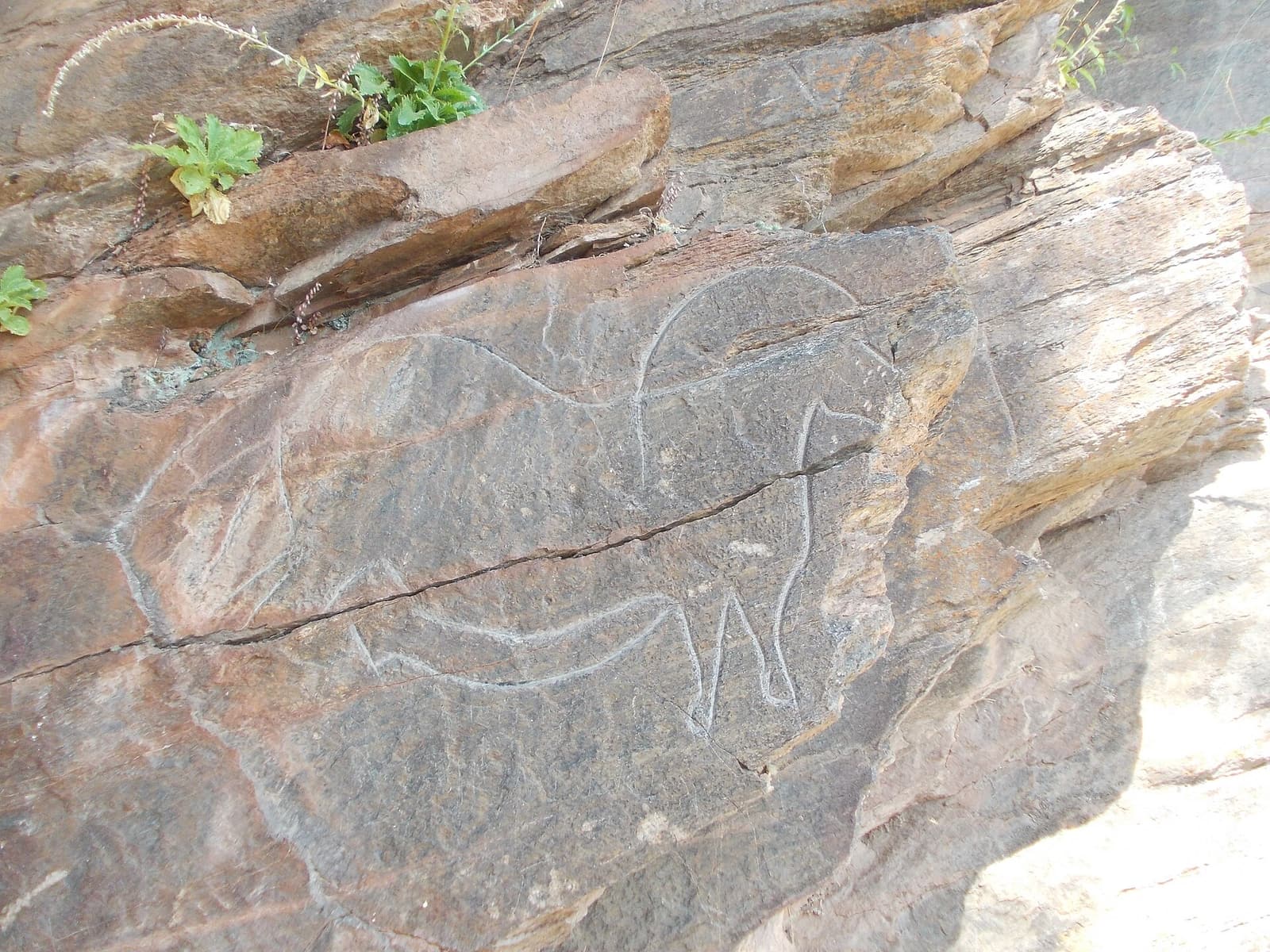
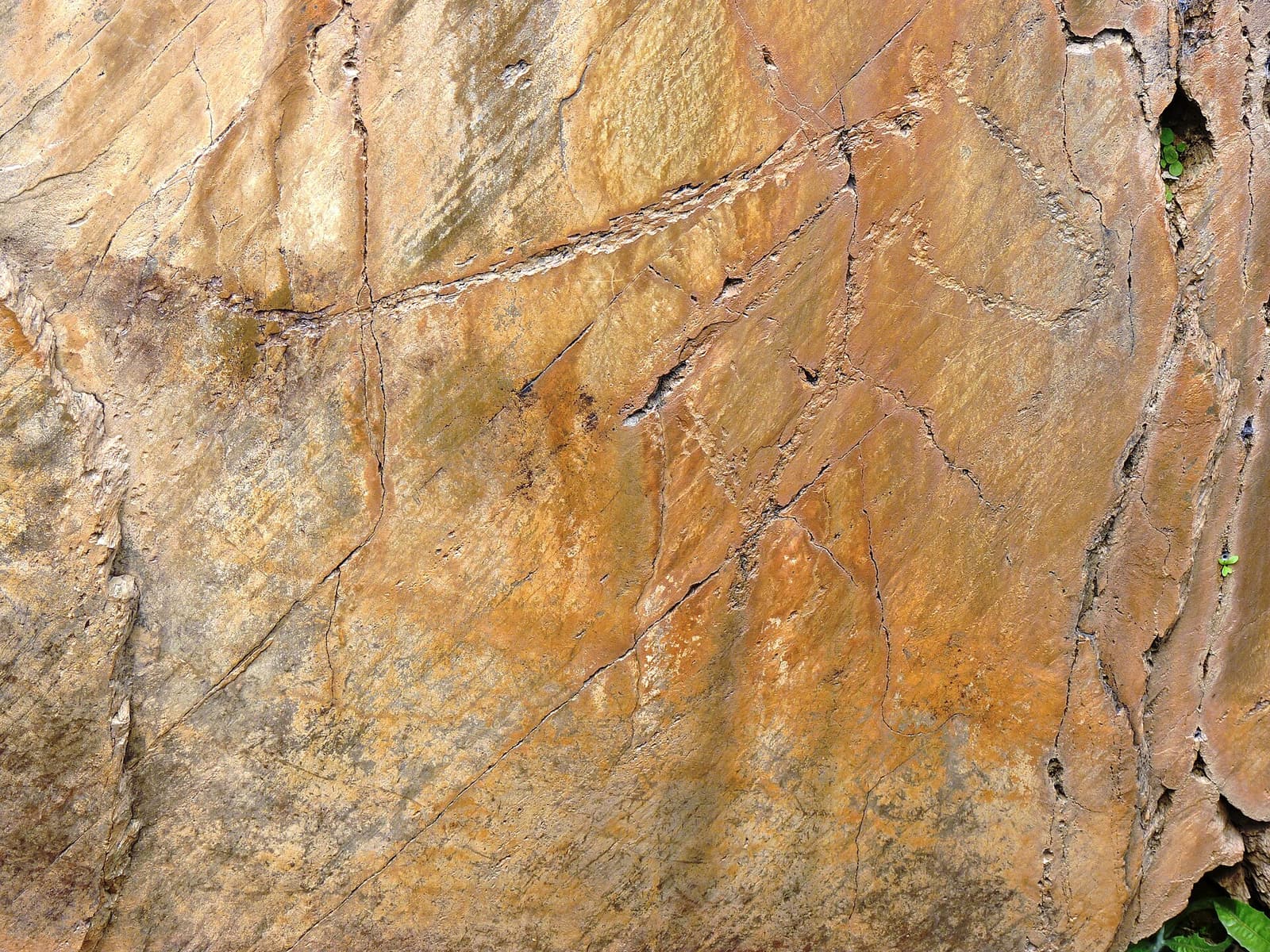
In the municipality, the rock engravings of Mazouco show a much older occupation of the Douro valley. In the district, the Castle of Bragança and the city of Bragança complete the route along the Trás-os-Montes frontier. For other fortresses, see the castles of Portugal and the guide to the North.
Photograph by Pedro from Maia (Porto), Portugal, of 23 April 2016. Original on Wikimedia Commons, under CC BY 2.0; resized and compressed for the web, without altering the composition.
Frequently asked questions
- What is the Torre do Galo?
- It is the heptagonal tower, with seven faces of differing widths, that survives from the medieval castle of Freixo de Espada à Cinta. It stands about 25 metres high and retains balconies with machicolations, devices for vertical fire. It is the town's best-known image.
- When was the tower built?
- The date is debated. Mário Barroca, cited by the national register, considers it a work of the reign of D. Dinis and the keep of the Gothic castle. Rita Costa Gomes admits it may be later, possibly from the reign of D. Fernando; the municipal tourism page cites Frei Viterbo for a construction by D. Fernando, around 1376.
- Is the castle classified?
- Yes. It is a National Monument under the Decree of 16 June 1910, published in the Diário do Governo no. 136, of 23 June 1910. The special protection zone, with a non aedificandi zone, was fixed by Ordinance of 10 January 1953.
- How can I get information for a visit?
- When consulted on 5 November 2026, the municipality's tourism portal did not publish opening hours for the tower. It gave the municipal tourism contact, +351 279 653 480 or [email protected], available Monday to Friday, 9:00 to 18:00.
Sources
- Património Cultural, I.P. — Castelo de Freixo de Espada à Cinta (70453)
- Património Cultural, I.P. — Atlas do Património Classificado, Castelo de Freixo de Espada à Cinta (NINV 2384)
- Diário do Governo — Decreto de 16 de junho de 1910 (n.º 136, 23-06-1910)
- Município de Freixo de Espada à Cinta — Turismo, locais turísticos: Castelo
- Wikidata — Castelo de Freixo de Espada à Cinta (Q5049782)
Keep exploring
Heritage nearby
More places to discover from here. Approximate straight-line distances, within 50 km.