Monuments
Alfaiates Castle
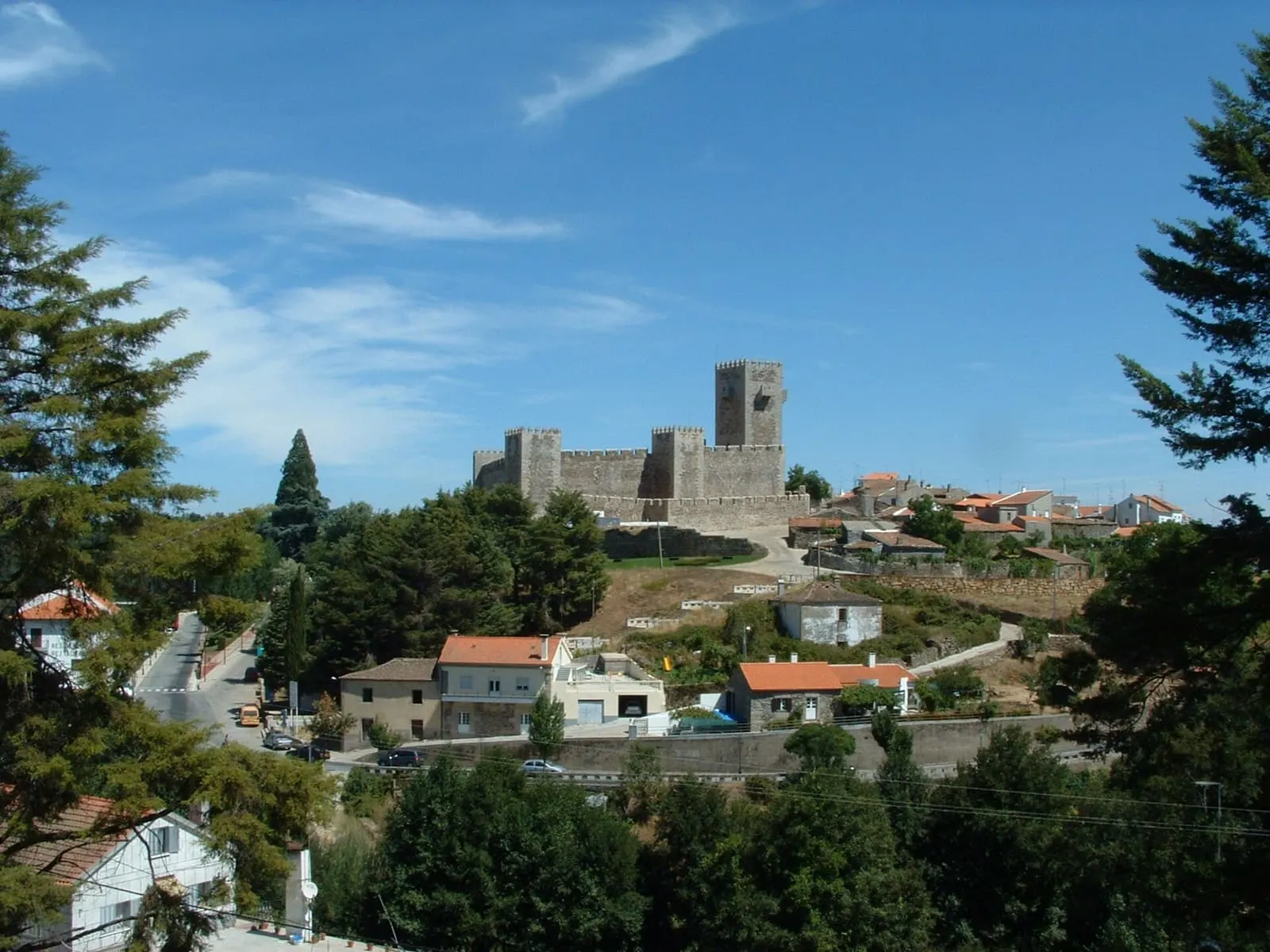
Alfaiates Castle, in Sabugal: a Manueline fortress with a double curtain wall, built from scratch from 1510 beside a village in Riba-Côa. National Monument.
- Location
- Alfaiates, Sabugal, Guarda
- Built
- Castelo manuelino construído de raiz a partir de 1510 (obras ainda em curso em 1525); muralhas abaluartadas do séc. XVII inacabadas
Alfaiates Castle stands in the village of Alfaiates, in the municipality of Sabugal, in the border zone of Riba-Côa. It is not an adapted medieval fortress. It was built from scratch during the reign of D. Manuel I, in a site set apart from the village centre, and was conceived from the outset for artillery warfare. The national register of Cultural Heritage, I.P. considers it one of the most important projects in Beira Interior from the Manueline period.
A Leonese village in Riba-Côa
The Municipality of Sabugal notes that the origins of the settlement are not known with certainty. Proto-historic remains have been found, and the name is probably of Arabic origin, possibly from al-haet, “wall” or “enclosure”. Alfaiates belonged to the kingdom of León until the end of the 13th century. According to the municipality, it was raised to the status of a village and received its charter from the Leonese king between 1209 and 1226.
The national register places the first fortress in the 12th or early 13th century, known as the “Castillo de la Luna”. It stood in the middle of the village, beside the present Igreja da Misericórdia, the highest ground and the most suitable place for a castle. Nothing of it survives. The register admits it was a rudimentary structure, perhaps a dominant tower with an incipient enclosure, intended more for lookout and for sheltering the population than for active defence.
The transfer of Riba-Côa to Portugal, confirmed by the Treaty of Alcañices of 1297, probably led to works on the old castle. Local tradition attributes its foundation to D. Dinis, but the register notes that nothing is known of that phase either. It was likely a limited and modest campaign, since two centuries later the fortress was entirely rebuilt.
The castle of D. Manuel I
D. Manuel tried to revitalise Alfaiates with successive privileges and with the creation of a couto de homiziados (a sanctuary for fugitives). At the same time, he ordered a new castle to be built. A decree of 1510, cited by the register following Rita Costa Gomes, reads: “mandemos fazer forteleza na dicta vila de Alfaiates” (we order a fortress to be built in the said village of Alfaiates). Work advanced slowly. In 1525, Diogo de Arruda was still visiting the castle to inspect the progress of the works.
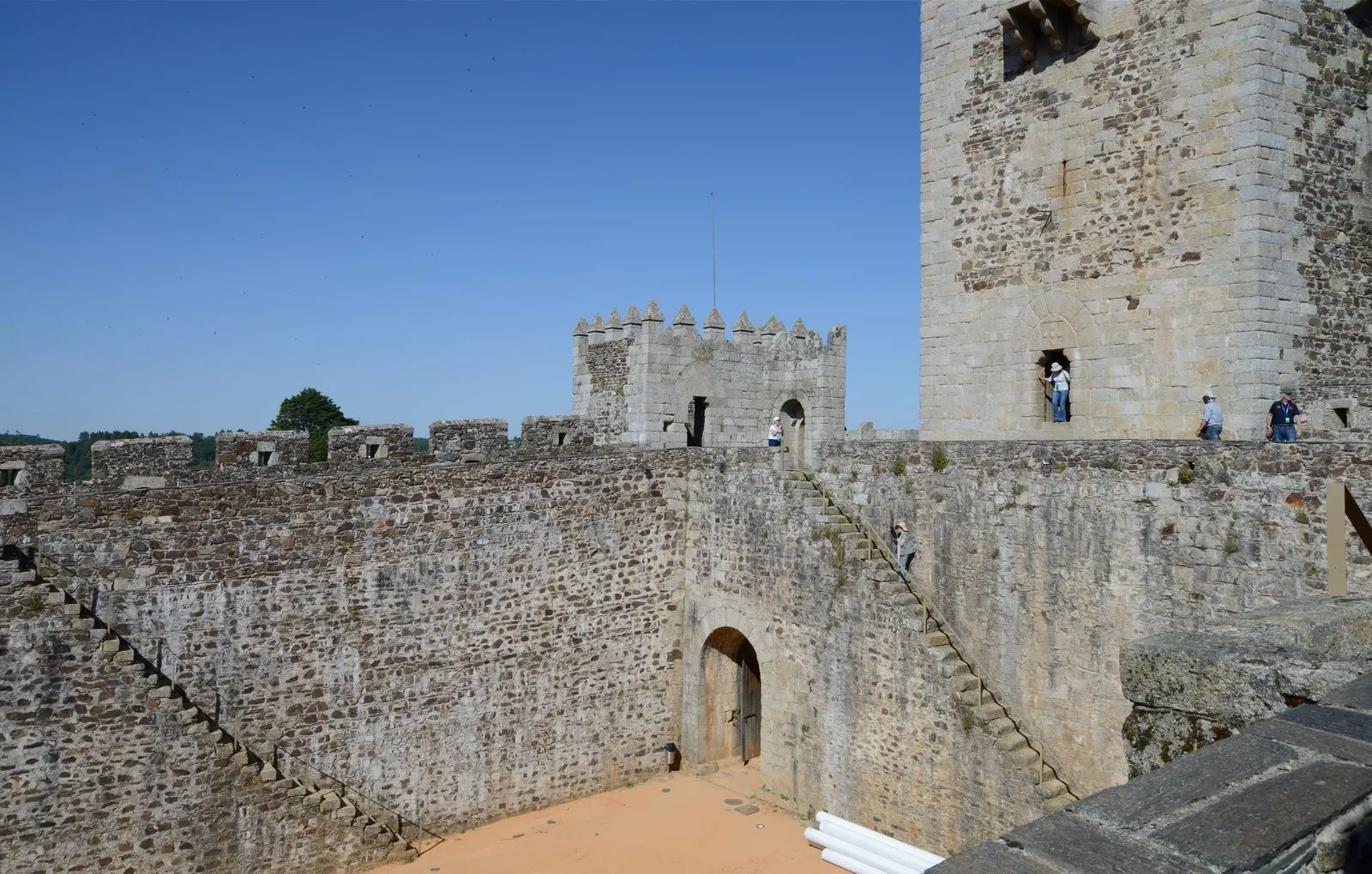
The major innovation was the site. Rather than reoccupying the castle in the village centre, the project chose a deserted location, a few dozen metres from the settlement. The plan is typical of the early 16th century: a quadrilateral with a square tower at the corner facing the village. Around it, a wall of irregular masonry incorporated circular towers at three angles. The result is a castle with a double curtain wall, as still seen today.
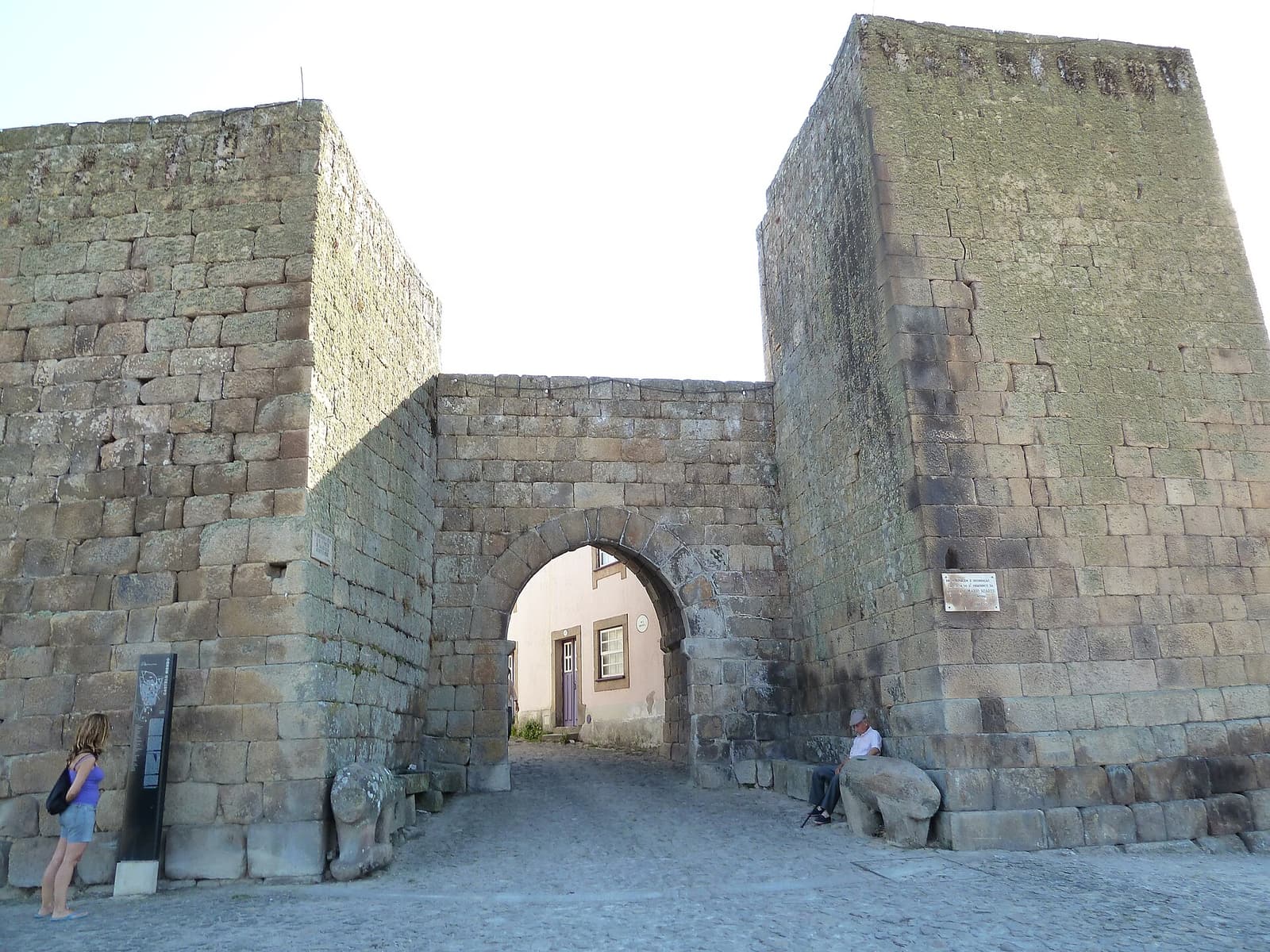
The main entrance opens in a projecting section of the wall. Above it, a carved composition brings together the royal emblems of Manueline propaganda: a royal crown at the centre, flanked by two armillary spheres and two crosses of the Order of Christ.
Restoration, French invasions and abandonment
In the 17th century, according to the register, the Manueline castle was among the most effective in Beira Interior. It was then decided to protect it with new bastioned walls, with bastions and curtains, that would defend the whole village. The project was never completed. The municipality highlights the role of captain Brás Garcia de Mascarenhas in the defence of the region during the War of the Restoration and in the works on the fortified town. His bust stands in the square in front of the castle entrance.
Alfaiates regained military importance during the French invasions. The municipality notes that the castle took part in the defence of the border zone in 1811, during the final engagements of the third invasion. Afterwards, the abolition of the municipality and depopulation led to the fortress being abandoned. The village walls gradually disappeared, reused as building stone or built into house walls. The castle survives, with its two towers and its double belt of walls.
Classification
The castle is a National Monument under Decree No. 28/82, of 26 February, published in the Diário da República, I Série, No. 47, of 26 February 1982. The decree includes it in the list of national monuments of the district of Guarda, municipality of Sabugal. The castle is not part of any UNESCO inscription.
In the same village, the Pelourinho de Alfaiates (pillory) and the Capela da Santa Casa da Misericórdia (chapel) are classified as properties of public interest.
Recent works
The Municipality of Sabugal carried out an operation of conservation and rehabilitation of the castle, co-financed by FEDER, starting in October 2020 with completion scheduled for 30 September 2023, according to the project record. Besides conservation, the project planned a viewpoint on the keep and an interpretive trail from the entrance to the tower. As of consultation on 5 November 2026, no official information was found confirming the current operation of the viewpoint.
Planning your visit
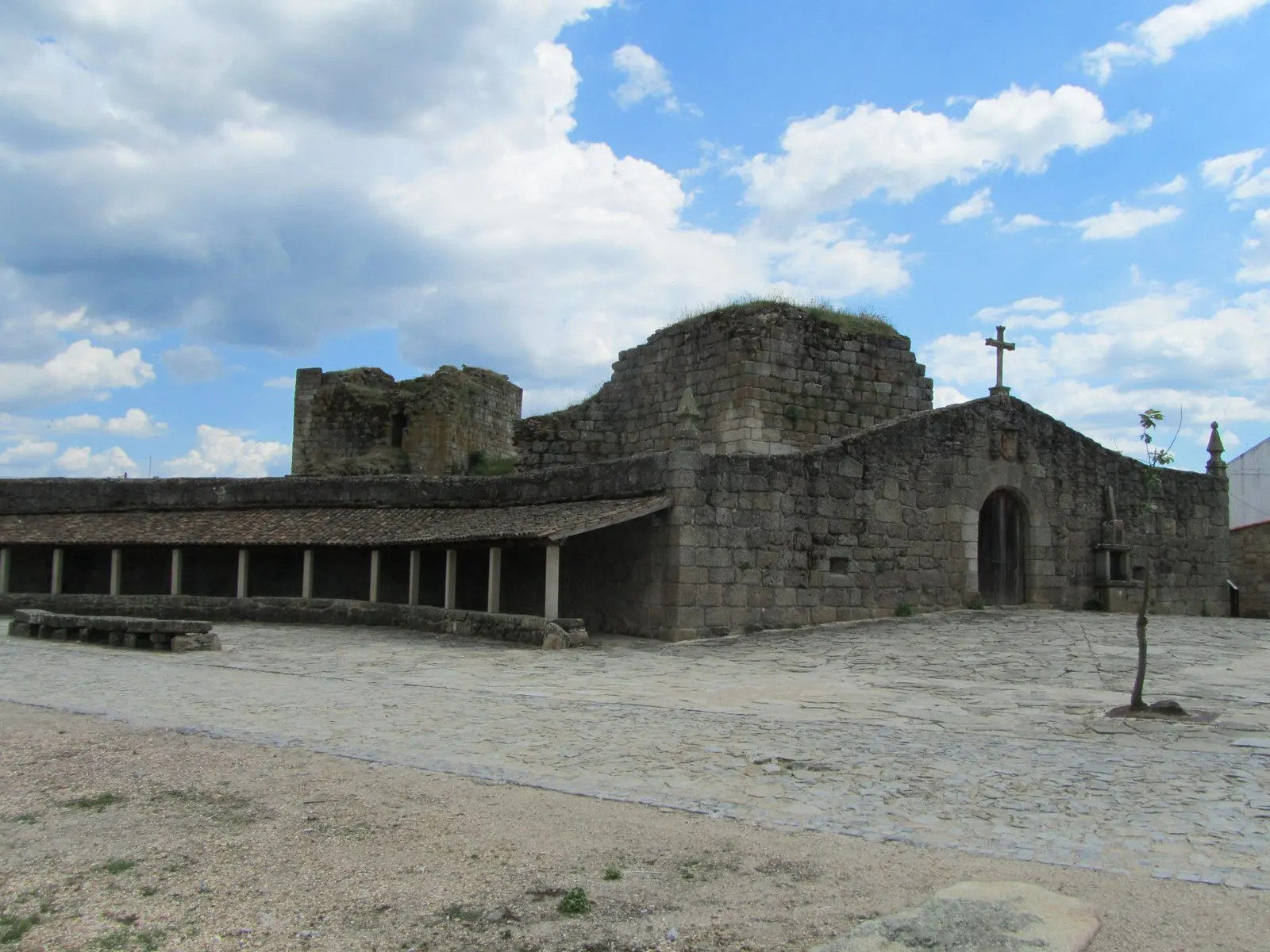
The castle lies beside the village, on Rua de Alfaiates. In front of the entrance is a square with the porches where the market was held. Rua Direita crosses the village and passes the Solar dos Camejos and the rear of the parish church. It ends at Praça Rainha Santa Isabel, where the Igreja da Misericórdia, the pillory and the former Casa da Câmara stand. Nearby, on the road to Aldeia da Ponte, is the Santuário de Sacaparte, a former pilgrimage centre beside the ruins of a convent.
As of consultation on 5 November 2026, no official published opening hours for the castle were found. For information, the municipality indicates the tourist office of the Museu do Sabugal, by telephone on 271 750 080 and 800 262 788 or by email at [email protected]. Please confirm conditions on the tourist office page before going.
Alfaiates is one of the five medieval villages the municipality promotes, along with Sabugal, Sortelha, Vila do Touro and Vilar Maior. To continue, visit the Sabugal Castle and the Sortelha Castle, consult the itinerary for Centro de Portugal, or compare Alfaiates with other castles of Portugal.
Photograph by CorreiaPM, dated 21 May 2011. Original on Wikimedia Commons, in the public domain; resized and compressed for the web, without altering the composition.
Frequently asked questions
- Who commissioned Alfaiates Castle?
- The present castle is the work of D. Manuel I. A 1510 decree cited by the national register orders the building of a fortress ("fazer forteleza") in the village, and in 1525 Diogo de Arruda was still visiting the works to inspect progress. The earlier Leonese castle in the centre of the village left no traces.
- Why is the castle outside the centre of the village?
- Rather than reusing the old castle beside the present Igreja da Misericórdia, the Manueline project chose a deserted site a few dozen metres from the settlement, where a fortress was built from scratch with artillery warfare in mind.
- Is the castle listed?
- Yes. It is a National Monument under Decree No. 28/82, published in the Diário da República, I Série, No. 47, of 26 February 1982.
- Is Alfaiates part of the Aldeias Históricas de Portugal?
- No. The Municipality of Sabugal presents Alfaiates as one of its five medieval villages, along with Sabugal, Sortelha, Vila do Touro and Vilar Maior. Of these, only Sortelha belongs to the Aldeias Históricas network.
Sources
- Património Cultural, I.P. — Castelo de Alfaiates (71168)
- Património Cultural, I.P. — Atlas do Património Classificado, Castelo de Alfaiates (NINV 2998)
- Diário da República — Decreto n.º 28/82 (I Série, n.º 47, 26-02-1982)
- Município do Sabugal — Alfaiates (5 vilas medievais)
- Município do Sabugal — Ficha de projeto: Conservação e reabilitação do Castelo de Alfaiates
- Município do Sabugal — Postos de Turismo
- Wikidata — Castelo de Alfaiates (Q5049739)
- Aldeias Históricas de Portugal — Página inicial (lista das 12 aldeias)
Keep exploring
Heritage nearby
More places to discover from here. Approximate straight-line distances, within 50 km.