Archaeology
Vila Velha de Santa Cruz da Vilariça
Vila Velha de Santa Cruz da Vilariça, in Torre de Moncorvo: the walled ruins of a medieval town granted a charter in 1225 and abandoned around 1300.
- Location
- Adeganha, Torre de Moncorvo, Bragança
- Built
- Vila nova de fundação régia (povoamento iniciado no tempo de D. Sancho I; foral de 1225); abandonada na passagem do séc. XIII para o XIV
The Vila Velha de Santa Cruz da Vilariça, also called Derruída, is an abandoned medieval town. The ruins stand on the crest of a hill overlooking the river Sabor and the Vilariça stream, in the parish of Adeganha e Cardanha, municipality of Torre de Moncorvo, district of Bragança. For some decades of the 13th century it was the seat of a municipality covering the whole Vilariça valley. It was later emptied in favour of new towns, among them Torre de Moncorvo. What remains, an enclosure wall with houses, streets and a ruined church, is today an archaeological site classified as a National Monument.
A new town founded by royal initiative
Paulo Dordio, in a study of the medieval towns of the Alto Douro, describes Santa Cruz as a new town founded by the Crown, created at the initiative of D. Sancho I. The best evidence comes from the Inquirições of D. Afonso III, of 1258. According to this testimony, when Santa Cruz was to be populated, in the time of the king’s grandfather, the Crown gave the Order of the Hospital an estate at Samões in exchange for the estate on which the town stood. The same inquiries state that the settlers came from royal villages (reguengas) of the north, today in the municipality of Macedo de Cavaleiros, brought by a royal steward named Aparício. Dordio admits that this settlement may have occurred between 1211 and 1217.
The town received a charter from D. Sancho II in 1225. Its territory was vast and covered the whole Vilariça valley, with many other communities. For Dordio, the foundation shows an attempt to apply in the Alto Douro the model of the new towns of Trás-os-Montes, which Sancho I had inaugurated at Bragança, with territories the size of the former «terras».
What can be seen on the ground
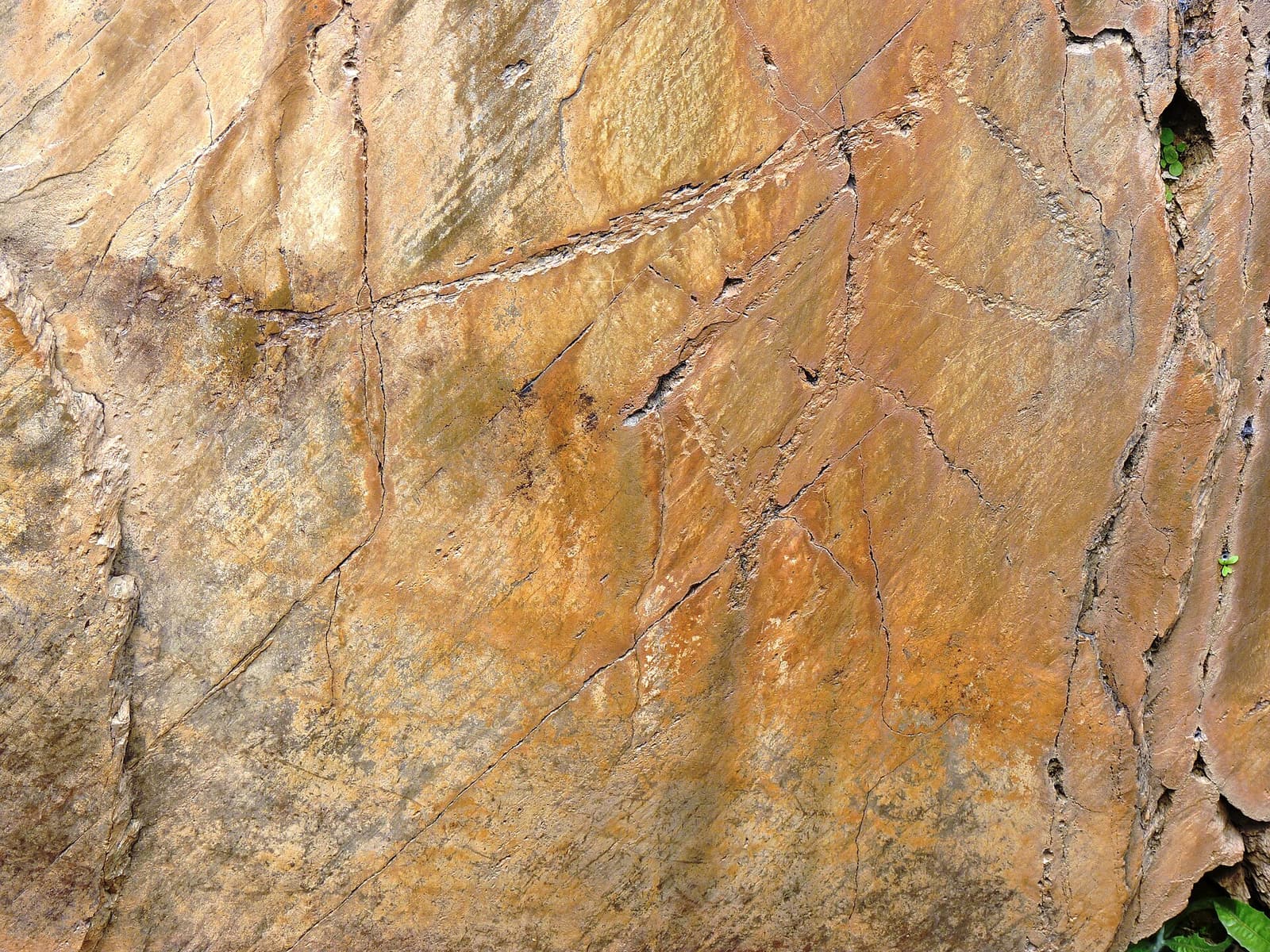
The national register of Cultural Heritage, I.P. describes a former municipal seat well integrated into the topography. It is bounded by an imposing wall, reinforced on the east by two outer walls. A Rua Direita (Main Street) led to the main square, where the church stood, of which one elevation survives, near tombs cut into the outcrops.
Dordio adds further details. The enclosure, built of schist masonry, surrounded the crown of the hill and had a single entrance, to the northwest, flanked by two massive truncated-conical towers. Inside, over an area of about 1.2 hectares, traces of houses and streets can be seen. At the top stand the ruins of the church, with a small forecourt and a ruined tower. The hill is not very high, but it stands out in the landscape and dominates the flat, fertile lands of the valley.
From heyday to abandonment
In the 1280s, D. Dinis reorganised the region. He was at the town of Santa Cruz in late November 1281. He then divided the town’s territory, which seemed excessive, among three new towns: Torre de Moncorvo, Vila Flor and Alfândega da Fé. According to Dordio, Torre de Moncorvo was in the mid-13th century only a village within the territory of Santa Cruz. Most probably in 1285, D. Dinis granted it a charter that transcribed that of 1225 and assigned it the territory of the old town. The charter of Vila Flor, of 1286, also takes up the «foro da Santa Cruz da Vilariça».
Santa Cruz was abandoned at the turn of the 13th to the 14th century. By the mid-15th century only the ruins and the memory remained. A document cited by Dordio says that a settlement had once existed there but that, being a «sickly» place, the residents moved to the town of Torre, and that the «enclosure was razed and destroyed entirely».
The Municipality of Torre de Moncorvo, on its page about archaeological heritage, presents the old town as the predecessor of Moncorvo. It cites J. R. Santos Júnior, author of a study entitled «A Derruída ou Vila Velha de Santa Cruz da Vilariça», according to whom the inhabitants, harried by marsh fevers, left the Vilariça around the end of the 12th century. That date does not fit the 1225 charter nor D. Dinis’s visit in 1281, and Dordio places the abandonment at the turn of the 13th to the 14th century. The explanation of fevers nonetheless agrees with the «sickly» character described in the 15th-century document.
Classification and protection
The site is a National Monument under the designation «Muralhas e ruínas de Vila Velha de Santa Cruz ou Derruída». It was classified by Decree No. 26-A/92, of 1 June, published in the Diário da República, I Série-B, No. 126, on 1 June 1992. The preamble explains that the decree is intended for the classification of archaeological immovable property. The same decree classified the Povoado de Baldoeiro, also in Adeganha, as a property of public interest.
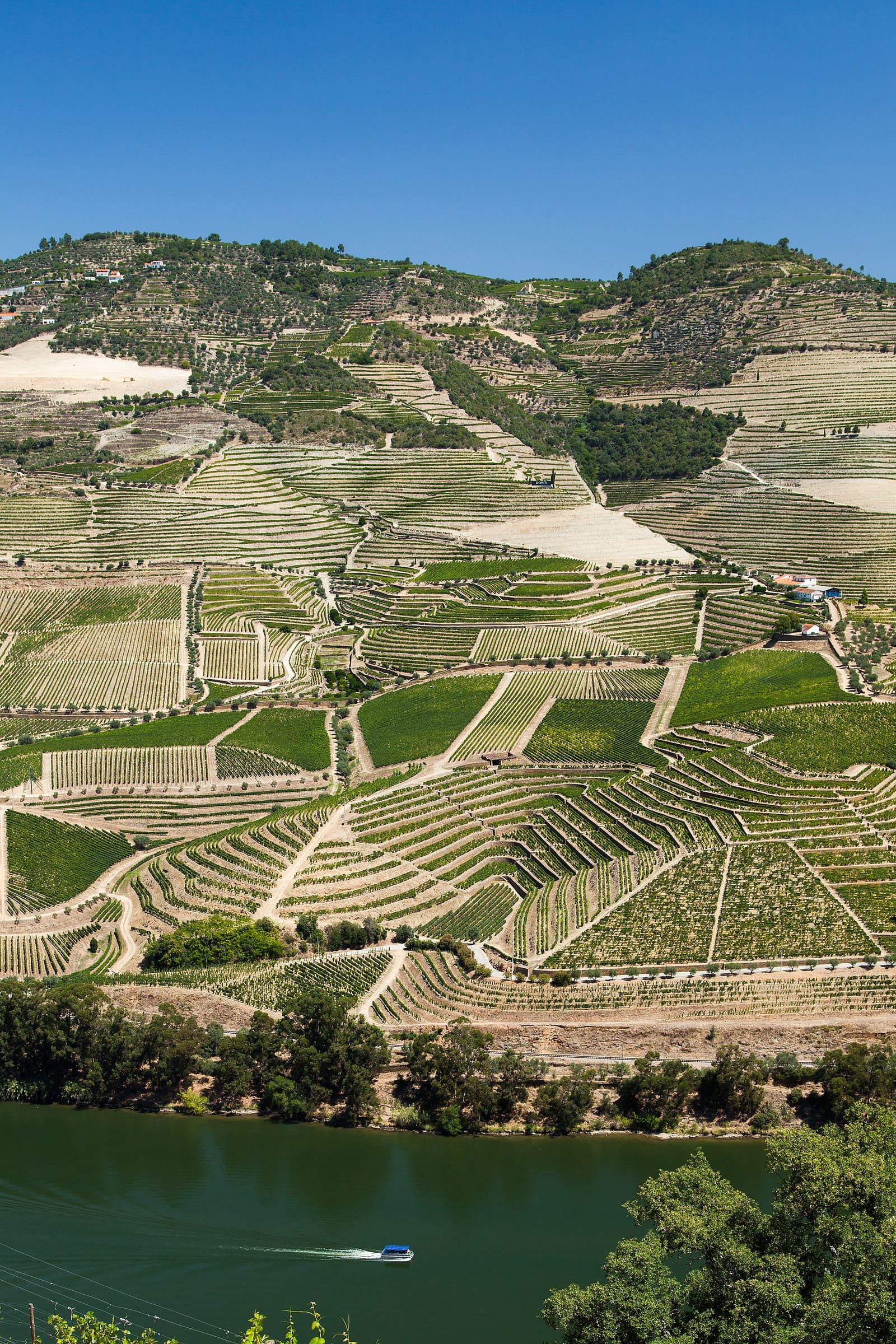
The national register indicates that the site is within the protection zone of the Alto Douro Wine Region. This does not make it part of the property inscribed by UNESCO on the World Heritage List; see Alto Douro Wine Region. A dedicated special protection zone received a favourable opinion from the Advisory Council of IGESPAR on 23 April 2008, but the register notes that it only takes effect once published in the Diário da República. On consultation on 5 November 2026, the register did not indicate such publication.
A medieval archaeological site
Santa Cruz does not preserve a castle. What has come down to us is an abandoned medieval settlement, with enclosure, streets, houses, church and tombs. The 1992 decree classified it within the scope of archaeological immovable property, and the municipality presents it in its archaeological heritage section, alongside the finds from the Vilariça valley studied by the Projeto Arqueológico da Região de Moncorvo (PARM). It is therefore a good example of archaeology in Portugal.
Preparing a visit
On consultation on 5 November 2026, no official information was found about access, signposted routes or guided visits to the site. The ruins lie in open countryside, on top of a hill. The municipality suggests visiting the Museu do Ferro & da Região de Moncorvo, in Torre de Moncorvo, to learn about the archaeology of the municipality. Before going, contact the Município de Torre de Moncorvo ([email protected]).
To continue through the region, see the castles of Portugal, especially the Castle of Freixo de Espada à Cinta, or the guide to the North of Portugal.
Frequently asked questions
- What is Vila Velha de Santa Cruz da Vilariça?
- It is the ruins of a medieval town on a hilltop overlooking the Vilariça valley, in the municipality of Torre de Moncorvo. It was the seat of a municipality, with a charter (foral) granted by King D. Sancho II in 1225, and was abandoned at the turn of the 13th to the 14th century. The enclosure wall, traces of houses and streets, and remains of the church survive.
- What is its relationship with Torre de Moncorvo?
- In the mid-13th century, Torre de Moncorvo was a village within the territory of Santa Cruz. In the 1280s, King D. Dinis reorganised the territory and, most probably in 1285, granted Torre de Moncorvo a charter that transcribed that of Santa Cruz, assigning it the territory of the old town.
- Is it classified?
- Yes. The «Muralhas e ruínas de Vila Velha de Santa Cruz ou Derruída» (Walls and ruins of Vila Velha de Santa Cruz or Derruída) are a National Monument under Decree No. 26-A/92, published in the Diário da República, I Série-B, No. 126, of 1 June 1992, a decree dedicated to the classification of archaeological immovable property.
- Is it part of the Alto Douro Wine Region?
- The national register indicates that the site lies within the protection zone of the Alto Douro Wine Region. This does not mean that it forms part of the property inscribed on the UNESCO World Heritage List.
Sources
- Património Cultural, I.P. — Muralhas e ruínas de Vila Velha de Santa Cruz ou Derruída (70572)
- Património Cultural, I.P. — Atlas do Património Classificado, Muralhas e ruínas de Vila Velha de Santa Cruz ou Derruída (NINV 2010)
- Diário da República — Decreto n.º 26-A/92 (I Série-B, n.º 126, 01-06-1992)
- Paulo Dordio — Centros de povoamento: um percurso pelas vilas medievais (cap. I)
- Município de Torre de Moncorvo — Património arqueológico
- Wikidata — Muralhas e ruínas de Vila Velha de Santa Cruz ou Derruída (Q66813511)
Keep exploring
Heritage nearby
More places to discover from here. Approximate straight-line distances, within 50 km.