Monuments
Convent of Espinheiro, Évora
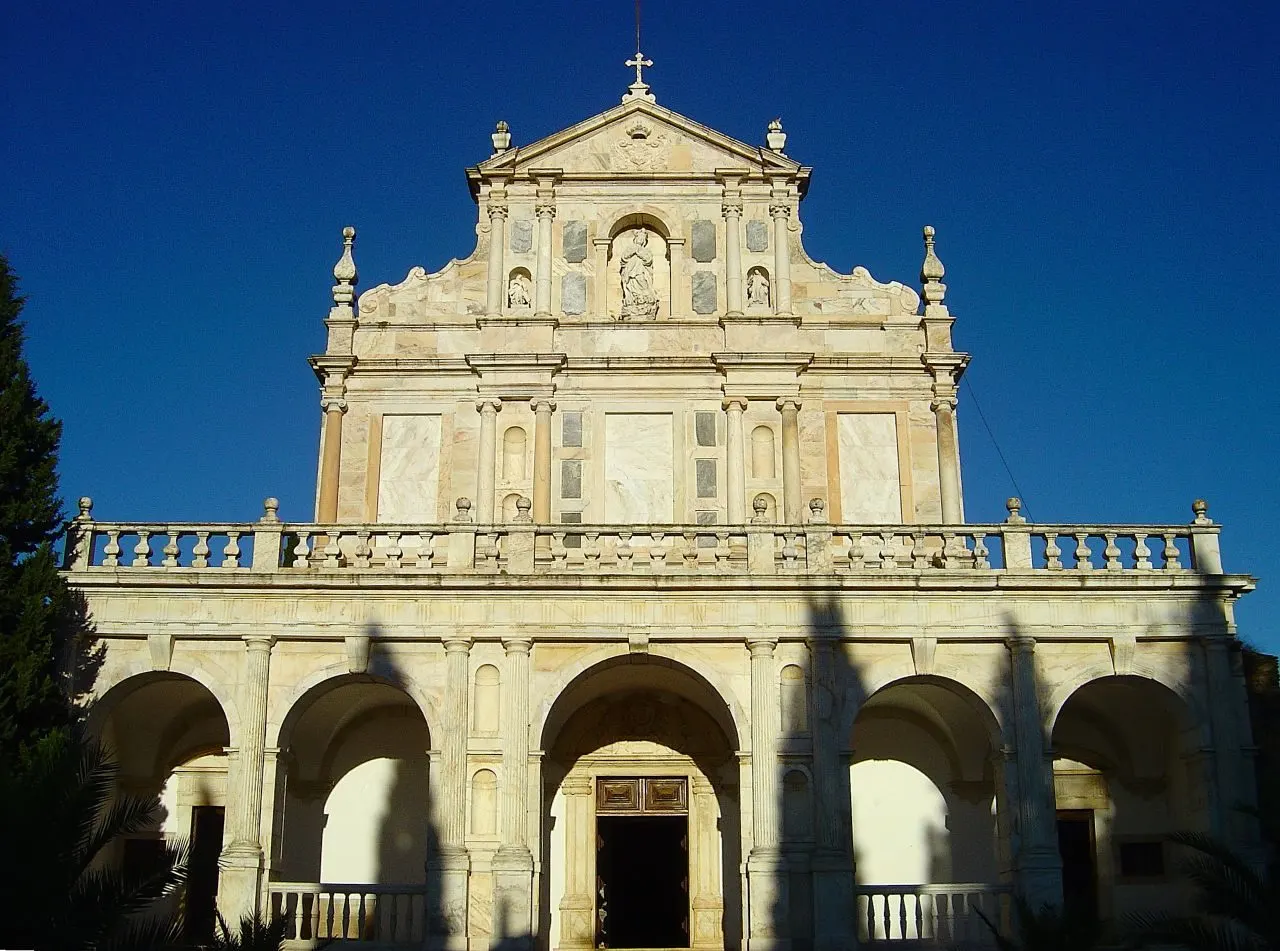
Convent of Espinheiro, Évora: founded in 1458, Jeronymite, Cortes of 1481, tomb chapel of Garcia de Resende, church a National Monument, and now a hotel.
- Location
- Canaviais, Évora, Évora
- Built
- Igreja fundada em 1458; convento entregue aos jerónimos em 1459
The Convent of Nossa Senhora do Espinheiro lies in the parish of Canaviais, outside the historic centre of Évora. It was a Jeronymite monastery closely tied to the court, where cortes were held and kings stayed, and it retains a church and a chapel classified as National Monuments. It is now a five-star hotel, which conditions visiting, and its historical importance must be read apart from that function.
From legend to monastery
Tradition holds that Our Lady appeared to a shepherd above a burning hawthorn bush. According to the Caminhos de Fé programme, around 1412 a canon of the Sé of Évora built a small hermitage on the site, which began to attract pilgrims. In 1458 a church was founded, and later a convent, on the initiative of João Afonso and Leonor Rodrigues, a couple from Évora, and in 1459 the convent was handed over to the monks of St Jerome. Wikipédia notes that the bibliography also cites 1457; the founding dates vary, so they should be read with caution.
The convent and the court
The most frequently cited memories date from the 15th and 16th centuries. Before the conquest of Arzila, in 1471, D. Afonso V made a vow to Our Lady of Espinheiro. D. João II convened the Cortes of Évora in 1481 here, and the hotel’s website also recalls the cortes of 1490, convened to fund the marriage of Prince D. Afonso to the infanta D. Isabel. According to Caminhos de Fé, D. Manuel was a frequent visitor and made valuable gifts, and D. Sebastião had a hermitage built beside the high chapel, where he withdrew to pray. In 1663, after the battle of Ameixial, the convent served as quarters for the Castilian general staff, according to the hotel. The idea that D. Manuel learned of Vasco da Gama’s arrival in India there is a legend which the hotel itself considers unconfirmable.
The chapel of Garcia de Resende
In the convent grounds stands a small chapel linked to the chronicler and poet Garcia de Resende, author of the Cancioneiro Geral. Caminhos de Fé states that he was buried at Espinheiro, without a date. Our page on the Casa de Garcia de Resende records, from an academic database, that in 1533 he established an entail whose chapel was that of Espinheiro.
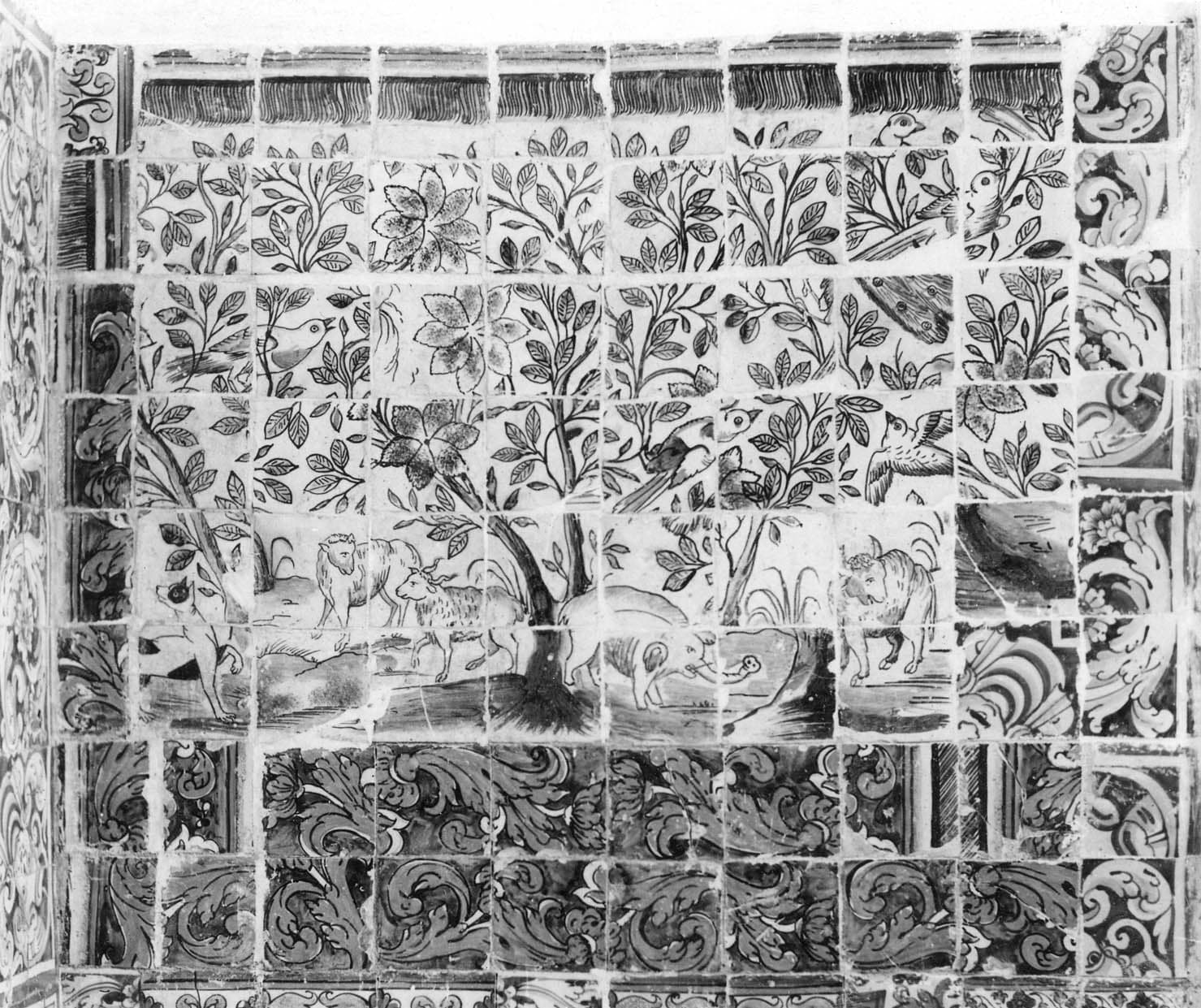
The Atlas do Património Classificado records the Chapel of Nossa Senhora do Espinheiro, also called the tomb chapel of Garcia de Resende, as a separate monument. One tourist guide describes it as a Mudéjar-Manueline temple, with narthex, nave and high chapel, and 16th-century azulejos, founded in 1520 and restored in 1777; I was unable to confirm these details in the official record. For the decorative language in question, see Manueline style and azulejo. Wikipédia adds that the tomb slab was sold as a kitchen table in the 18th century and later reinstalled, and that the bones collected in 1865 were lost; these are claims from a collaborative encyclopaedia that I have not verified in an official source.
Suppression and hotel
With the suppression of the religious orders, in 1834, the convent was vacated and fell into ruin. At the end of the 20th century it was converted into a hotel, according to Caminhos de Fé, to a design by the architect João Lucas Dias. A business directory gives 2005 as the year the hotel opened, but I found no official source confirming this, nor the name of the operating company on the hotel’s site. When consulted on 5 November 2026, the hotel presented itself as the Convento do Espinheiro Historic Hotel & Spa, a five-star hotel, address 7005-839 Évora.
Classification
The Atlas do Património Classificado records the Church of Nossa Senhora do Espinheiro as a National Monument, by the Decree of 16 June 1910 (Diário do Governo No. 136, of 23 June 1910), and the Chapel of Nossa Senhora do Espinheiro (tomb chapel of Garcia de Resende) as a National Monument by Decree No. 7 667, Diário do Governo, I Series, No. 163, of 11 August 1921. Wikidata links the complex’s record to another Cultural Heritage code; this remains to be clarified. I found no indication that the convent forms part of the UNESCO inscription of the Historic Centre of Évora, and the claim to the contrary on Wikipédia lacks a source. For comparison with another major religious complex in the city, see the Sé of Évora and the page on monasteries.
Preparing a visit
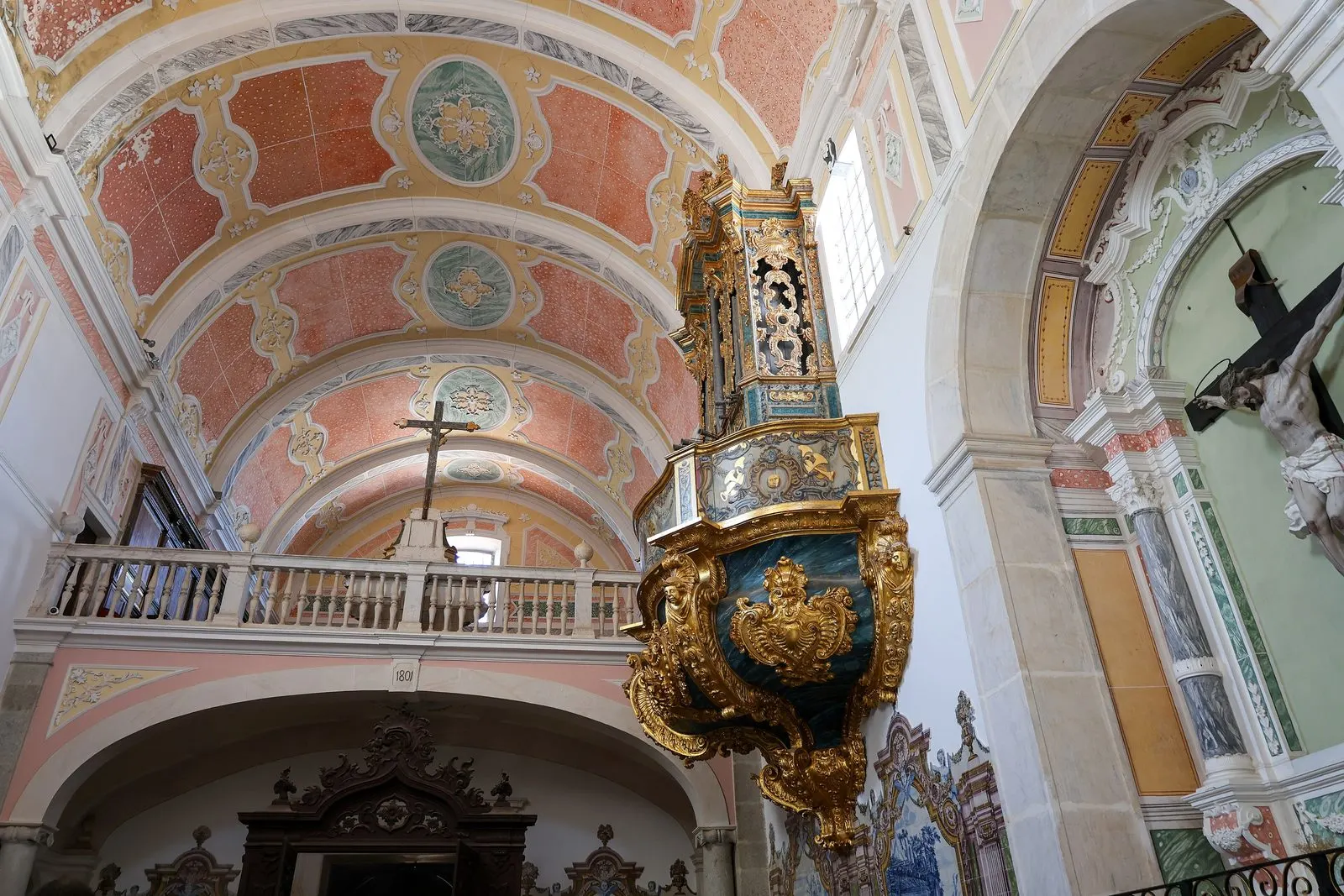
As a hotel, access to the interior depends on the hotel, which may restrict entry to guests and customers of its services. When consulted on 5 November 2026, its page published no visiting hours for the church or for the chapel of Garcia de Resende, only reservation contacts (telephone 266 788 200). Ask the hotel for information before travelling, and do not assume that the chapel, within the grounds, is freely accessible. The photograph on this page shows an interior of the convent, taken in September 2024.
Photograph by flowcomm, 2 September 2024. Original on Wikimedia Commons, under CC BY 2.0; resized and compressed for the web, without altering the composition.
Frequently asked questions
- When was the Convent of Espinheiro founded?
- The Caminhos de Fé programme gives a hermitage of 1412, a church founded in 1458 by João Afonso and Leonor Rodrigues, a couple from Évora, and the handover of the convent to the monks of St Jerome in 1459. Another source gives 1457, so the exact year should be read with that reservation.
- What is the chapel of Garcia de Resende?
- It is a small chapel in the convent grounds, linked to the chronicler Garcia de Resende, who according to Caminhos de Fé was buried at Espinheiro; Wikipédia says he had it built. The Atlas do Património Classificado records it as the Chapel of Nossa Senhora do Espinheiro, or tomb chapel of Garcia de Resende, a National Monument by Decree No. 7 667 of 11 August 1921.
- What are the designations of the complex?
- The Church of Nossa Senhora do Espinheiro is a National Monument by Decree of 16 June 1910, and the tomb chapel is a National Monument, under a separate listing, by Decree No. 7 667 of 1921.
- Can it be visited?
- The convent is now a five-star hotel. When consulted on 5 November 2026, I found no published public visiting hours for the church or the chapel; contact the hotel before going.
Sources
- Património Cultural, I.P. — Atlas do Património Classificado e em Vias de Classificação (NINV 2728, Igreja de Nossa Senhora do Espinheiro)
- Património Cultural, I.P. — Atlas do Património Classificado e em Vias de Classificação (NINV 2704, Capela de Nossa Senhora do Espinheiro)
- Diário do Governo — Decreto de 16 de junho de 1910 (n.º 136, 23-06-1910)
- Diário do Governo — Decreto n.º 7 667, I Série, n.º 163, de 11 de agosto de 1921
- Caminhos de Fé — Convento de Nossa Senhora do Espinheiro, Évora
- Convento do Espinheiro Historic Hotel & Spa — História
- All About Portugal — Capela de Nossa Senhora do Espinheiro
- Wikipédia — Convento do Espinheiro (Évora) (ponto de partida bibliográfico)
- Wikidata — Convento do Espinheiro e respectiva cerca (Q17117461)
Keep exploring
Heritage nearby
More places to discover from here. Approximate straight-line distances, within 50 km.