Resources
Museu de Arte Popular (Folk Art Museum), Lisbon
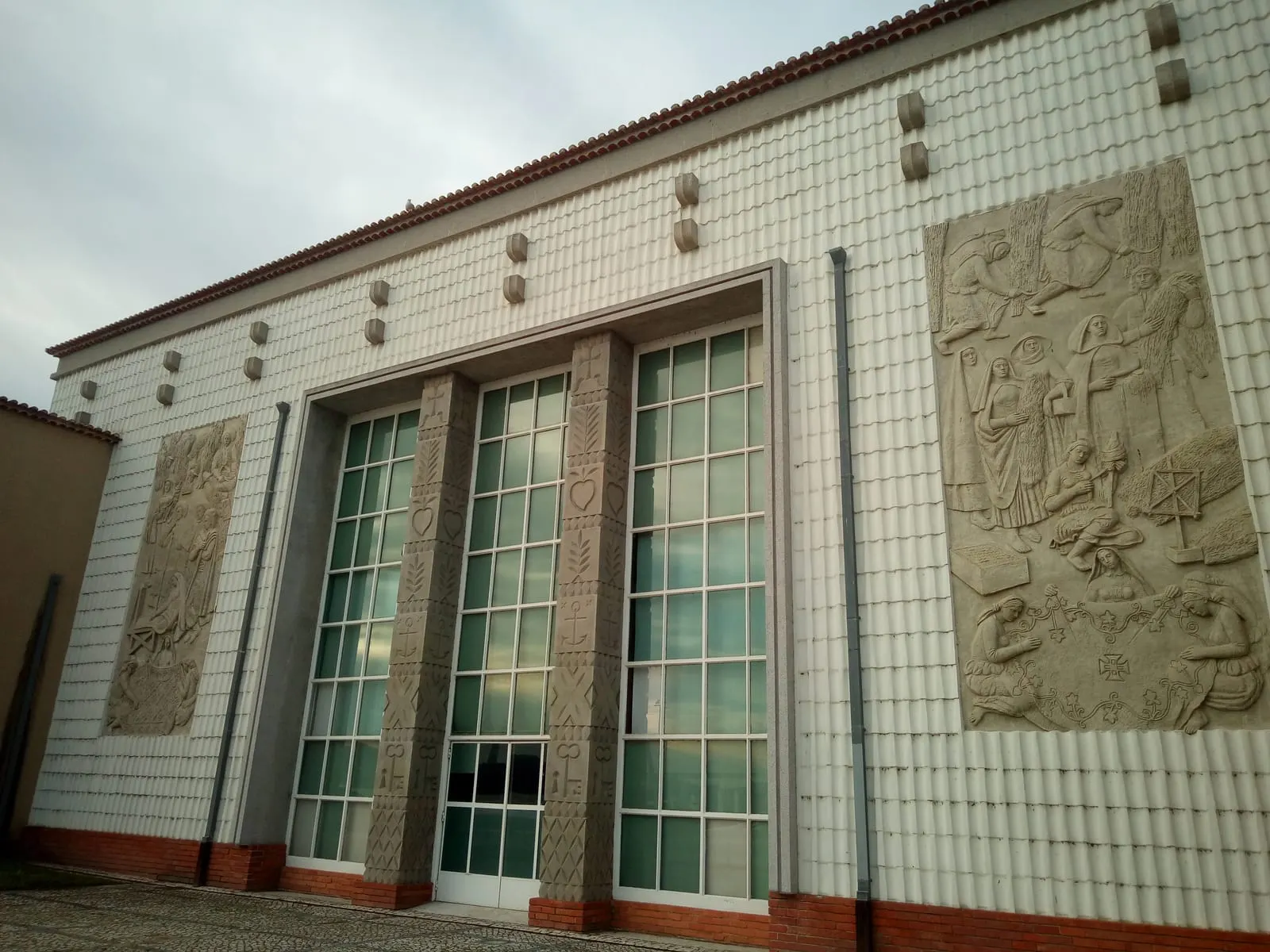
Museu de Arte Popular, Belém: 1940 Exposition pavilion turned museum in 1948, with regional murals, now part of the National Museum of Ethnology.
- Location
- Lisboa, Lisboa
- Built
- 1938–1940 (pavilhão); adaptado a museu em 1948
The Museum of Folk Art occupies a long, single-storey building on the bank of the Tagus, in Belém, near the Padrão dos Descobrimentos. It originated as a pavilion of the 1940 Exhibition of the Portuguese World and opened as a museum in 1948. What most justifies a visit today is the building itself: its rooms retain mural paintings depicting the regions of the country. These paintings are direct testimony to the way the Estado Novo sought to present popular culture.
A Pavilion from 1940
The building results from the adaptation of some of the former Popular Life Pavilions, designed between 1938 and 1940 by the architects António Maria Veloso Reis Camelo and João Simões. They were part of the complex built for the Exhibition of the Portuguese World of 1940, organised under the coordination of the Secretariat of National Propaganda.
The record of the Património Cultural, I.P. describes a lightly built structure, conceived to be ephemeral. It has rendered and painted masonry over a metal structure and timber and stucco framing, with details in limestone ashlar and wrought iron. The various rectangular, stepped volumes with symmetrical façades use textures and decorations drawn from folk art and vernacular architecture, such as roof tiles, ceramics and timber. The same record reads the ensemble as both modernist and historicist, close to the vocabulary of Estado Novo architecture.
In 1940, the pavilion received ephemeral decoration from several artists of the period. Among them were the painters and decorators Tomás de Mello (Tom), Fred Kradolfer, Carlos Botelho, Bernardo Marques, Emmérico Nunes, José Rocha, Estrela Faria, Paulo Ferreira and Eduardo Anahory, and the sculptors Barata Feyo and Henrique Moreira.
From Pavilion to Museum (1948)
After the exhibition, António Ferro, director of the Secretariat of National Information, decided to install a museum of folk art there. The adaptation was entrusted to the architect Jorge Segurado, who had already worked on the Exhibition. According to Museus e Monumentos de Portugal, the programme was defined by the ethnographer Francisco Martins Lage and the artist Tomás de Mello. The museum opened in 1948.
A new team worked in this second phase. Tomás de Mello directed the pictorial campaign, with Carlos Botelho, Estrela Faria, Paulo Ferreira and Manuel Lapa, and the sculptors Barata Feyo, Henrique Moreira and Júlio de Sousa. The original rooms represented the regions of Entre-Douro e Minho, Trás-os-Montes, Beiras, Estremadura, Alentejo, Ribatejo and Algarve. Some glazed walls allow the courtyards and gardens to be seen from the interior. On the exterior, the sculptures by Barata Feyo and Henrique Moreira made for the 1940 pavilion were kept.
The national record offers a critical reading of this ensemble. It considers it one of the last testimonies of the 1940 Exhibition and of the ideology that inspired it: an idealised and folkloric vision of rurality. It also notes that interest in the countryside and popular traditions was then common to other European countries.
The Collection and the Link to the National Museum of Ethnology
The collection was formed from several exhibitions and was later completed by acquisitions and donations. It includes ceramics, popular goldsmithing, musical instruments, basketry, textiles, costumes and embroidery, agricultural implements, and miniatures of boats and animal-drawn carts.
According to Museus e Monumentos de Portugal, the permanent exhibition closed in 2000 for the building’s requalification works. In 2006, after the announced extinction of the museum, the collection was transferred to the National Museum of Ethnology. The link between the two institutions was only fully completed in 2016. Since then, the activity of the Museum of Folk Art has been limited to temporary exhibitions, integrated into the programme of the National Museum of Ethnology. Do not therefore expect to find the former permanent exhibition in Belém: the collection is managed from Restelo.
Classification and Protection
The classification process had its ups and downs. In 2007, an opinion even proposed against classification, because the new intended use of the building would have required covering the mural paintings. The process was reopened in 2009 at the request of several signatories. The Museum of Folk Art Building was ultimately classified as a Monument of Public Interest by Portaria no. 263/2012, of 29 June 2012, which also established a special protection zone.
The building also lies within the special protection zone of the Jerónimos Monastery. This proximity does not make it part of the World Heritage site: the UNESCO inscription covers the monastery and the Tower of Belém, not the museum.
The Museum of Folk Art is listed in Annex II of Decree-Law no. 79/2023, among the museums managed by Museus e Monumentos de Portugal. The building, under the designation of pavilion of the Popular Life Section, is also among the properties assigned to that entity.
Planning the Visit
The museum is located at Avenida Brasília, 1400-038 Lisbon, beside the river. When consulted on 5 November 2026, the official page indicated the following opening hours:
- Wednesday to Friday, 10:00 to 18:00;
- Saturday and Sunday, 10:00 to 13:00 and 14:00 to 18:00;
- closed on 1 January, Easter Sunday, 1 May, 13 June and 25 December.
The same page did not indicate the ticket price. As opening depends on the temporary exhibitions, please confirm the programme and conditions on the Museus e Monumentos de Portugal page or by telephone at +351 213 011 282.
Photograph by Hugo Ferreira, dated 6 January 2021. Original on Wikimedia Commons, under CC BY-SA 4.0; resized and compressed for the web, without altering the composition.
Frequently asked questions
- What is the origin of the Museum of Folk Art building?
- It is an adaptation of pavilions from the Popular Life Section of the 1940 Exhibition of the Portuguese World, designed by António Reis Camelo and João Simões. The museum opened in 1948, adapted by the architect Jorge Segurado.
- Is the folk art collection still in Belém?
- The permanent exhibition closed in 2000 and, in 2006, the collection was transferred to the National Museum of Ethnology. According to Museus e Monumentos de Portugal, since 2016 the activity of the Museum of Folk Art has been limited to temporary exhibitions, linked to the programme of the National Museum of Ethnology.
- Is the building listed?
- Yes. The Museum of Folk Art building is a Monument of Public Interest under Portaria no. 263/2012, of 29 June 2012. The classification mainly values the mural paintings and the architecture of the complex.
- Is the museum part of the Jerónimos World Heritage site?
- No. The building lies within the special protection zone of the Jerónimos Monastery, but it is not part of the UNESCO-inscribed property, which covers the monastery and the Tower of Belém.
Sources
- Museus e Monumentos de Portugal — Museu de Arte Popular
- Património Cultural, I.P. — Edifício do Museu de Arte Popular (70949)
- Património Cultural, I.P. — Atlas do Património Classificado e em Vias de Classificação (NINV 323)
- Diário da República — Portaria n.º 263/2012, de 29 de junho
- Diário da República — Decreto-Lei n.º 79/2023, de 4 de setembro (anexo II)
- Ordem dos Advogados — Museus e Monumentos de Portugal, E.P.E. (texto do Decreto-Lei n.º 79/2023)
- Wikidata — Museu de Arte Popular (Q10333771)
Keep exploring
Heritage nearby
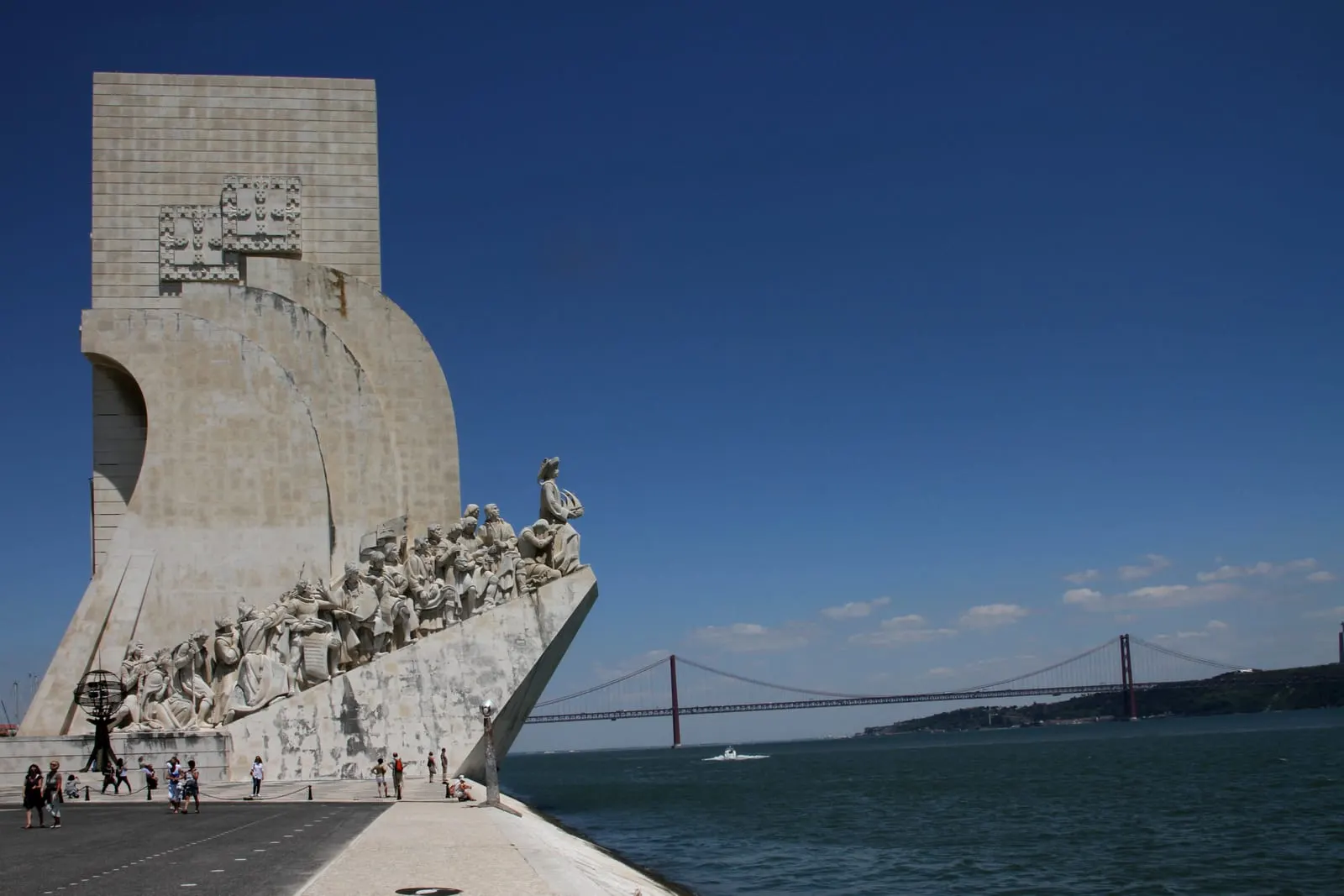
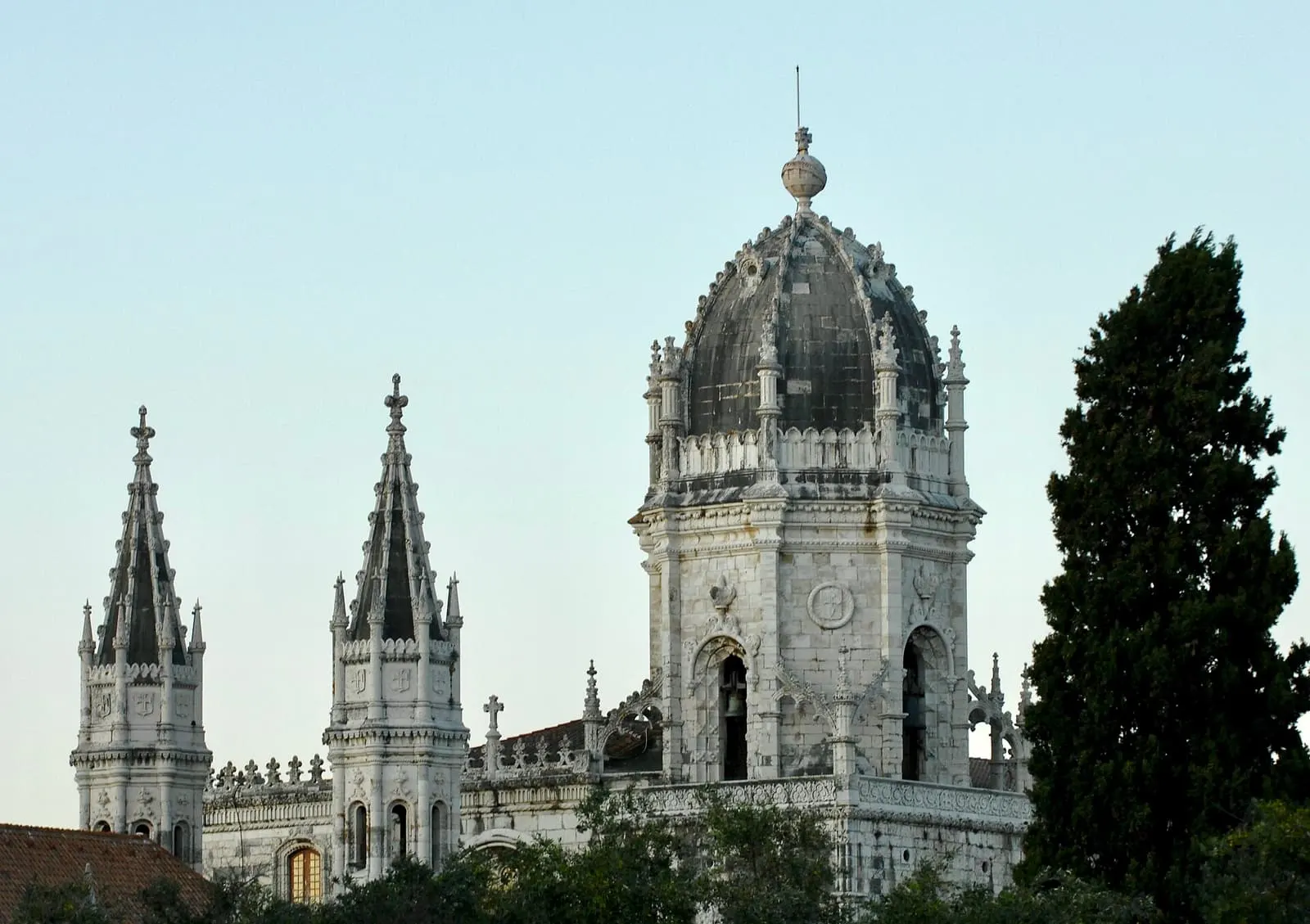
More places to discover from here. Approximate straight-line distances, within 50 km.

Resources for research
Find the sources. Follow the story.
Guides to researching buildings, exploring museum collections and understanding heritage protection.
SIPA
Get to know the architectural inventory, building records and documentary archive.
Read the guideMuseum collectionsMatrizNet
Explore the museum catalogue and records of works, materials, authorship and provenance.
Read the guideHeritage protectionHeritage classification
Understand cultural property categories and the levels of national, public and municipal interest.
Read the guide